
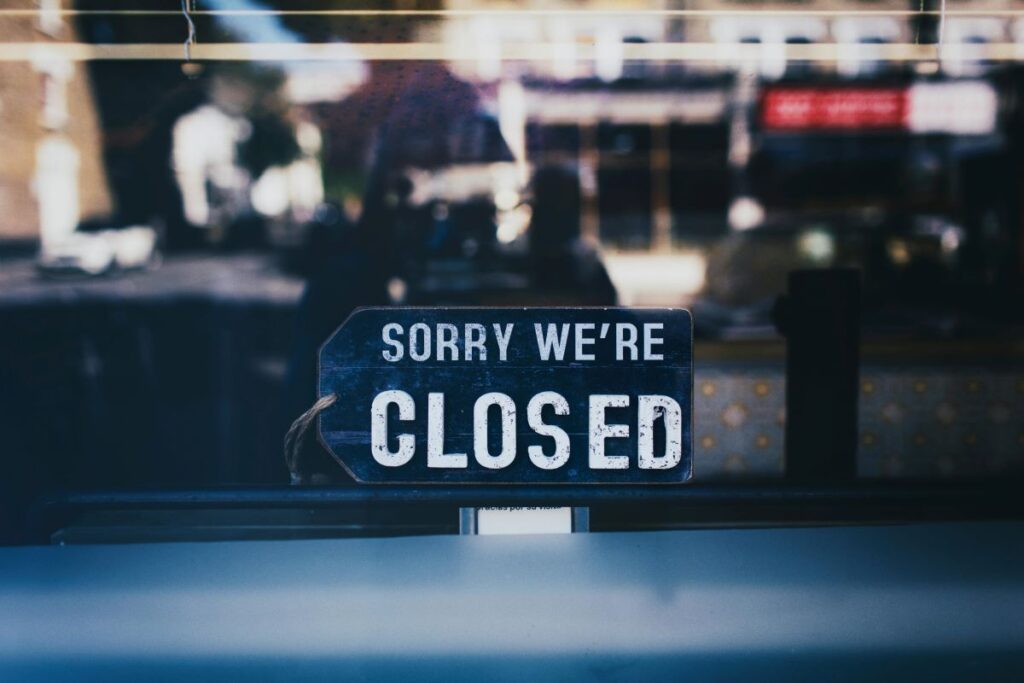
Amazon has recently announced that it’s closing Amazon Fresh and Amazon Go physical stores. Instead, the company is focusing on expanding its online delivery efforts and putting more investment into expanding the market of Whole Foods. This move isn’t a shock to many people, as Amazon has been closing many of its branded retail stores in recent years.
Amazon is Closing Amazon Go and Amazon Fresh Physical Stores
Amazon announced the closing of these brick-and-mortar stores in a recent blog post. In it, the company says it carefully evaluated the business and how it can best serve customers, and ultimately made the choice to close these physical stores, with some being converted to Whole Foods Market stores. For those unfamiliar, Amazon has owned Whole Foods since back in 2017.
The company also mentioned that despite seeing some promising signals from these branded stores, it wasn’t able to create a distinctive customer experience with the right economic model to expand them on a large scale.
This isn’t a surprising move to many people, as the company has been cutting down on the number of branded physical stores it operates over the years.
Why Did Amazon Close the Stores?
In the blog post, Amazon said it’s closing these stores for two main reasons, which are to focus more on online grocery deliveries and to expand Whole Foods.
On the online delivery side, the company already offers grocery deliveries in over 5,000 cities and towns across the USA, many of which have access to same-day delivery. It has plans to expand this and offer same-day grocery delivery to even more communities throughout 2026.
It also recently introduced Amazon Now, which is a fast delivery option that the company is testing, which brings items to customers in 30 minutes or less.
But while Amazon is putting more effort and investment into its online grocery efforts, it hasn’t completely forgotten about the retail side. In fact, the company is increasing its investment in retail and plans to open more than 100 new Whole Foods stores over the next few years.
It’s also coming up with a new Whole Foods format, called Whole Foods Market Daily Shop. This format features smaller stores and prioritizes convenience, and offers products like essentials, grab-and-go meals, and coffee. It now has five locations, and Amazon plans to open another five by the end of 2026.
In the post, the company has also said it’s planning to develop and introduce more new store concepts over the coming years.
Was This The Right Move?
I believe this pivot back to an e-commerce-first grocery model works best for Amazon, as it clearly wasn’t economically viable for the company to continue operating these branded physical locations. Also, with the company owning Whole Foods, it makes more sense to invest in and prioritize that, as people have a stronger brand affinity with it.
Also, as more people begin to choose online grocery delivery rather than go into stores, it makes sense for the company to focus on strengthening this aspect of the organization, as well.