

The ecommerce post-purchase experience has become one of the most decisive factors in long-term business growth.
While many brands invest heavily in driving traffic and optimizing checkout, the customer journey does not end once payment is completed. In reality, the moments after checkout often determine whether a customer returns, leaves a positive review, or recommends the brand to others.
In a crowded ecommerce market where acquisition costs continue to rise, retention is a powerful advantage. Research from Bain & Company shows that increasing customer retention rates by just 5% can boost profits by 25% to 95%. This makes the ecommerce post-purchase experience a direct revenue driver rather than a support function.
This article explores what the ecommerce post-purchase experience is, why it matters, and how brands can build effective strategies that improve customer satisfaction, loyalty, and lifetime value.
What Is the Ecommerce Post-Purchase Experience?
The ecommerce post-purchase experience refers to every interaction a customer has with a brand after completing a transaction. It includes:
- Communication
- Fulfillment
- Delivery
- Product usage
- Support
- Follow-up engagement
Unlike the checkout experience, which is focused on conversion, the post-purchase experience is centered on reassurance, trust, and value delivery.
Customers want confirmation that their order is correct, transparency around shipping, and support if something goes wrong. They also want to feel appreciated rather than forgotten once payment is processed.
Key post-purchase touchpoints include:
- Order confirmation pages
- Transactional emails
- Shipping updates
- Packaging
- Product onboarding
- Returns and feedback requests
Each of these moments shapes how customers perceive the brand and influences their decision to buy again.
Why the Post-Purchase Experience Is Critical for Ecommerce Retention
Retention is driven by how customers feel after the sale, not during it. A smooth checkout can attract a first purchase, but a positive post-purchase experience creates repeat customers.
Customers who feel informed, supported, and valued are more likely to trust the brand and make additional purchases. On the other hand, unclear communication, delayed shipping, or poor support can quickly erode confidence.
According to data from PwC, 32% of customers will stop doing business with a brand they love after just one bad experience. Since many of those experiences happen after checkout, post-purchase optimization becomes essential for protecting customer relationships.
Additionally, post-purchase experiences influence reviews, word-of-mouth referrals, and social proof. These signals directly affect future conversion rates and brand reputation.
Stages of the Ecommerce Post-Purchase Experience

1. Order Confirmation and Thank-You Pages
The order confirmation page is the first reassurance point after purchase. Customers expect immediate confirmation that their order was successful and that payment was processed correctly.
A well-designed confirmation page includes order details, shipping information, customer support contact options, and next steps. It can also reinforce brand values, set delivery expectations, and provide helpful resources related to the product.
Thank-you pages are also an opportunity to deepen engagement. Brands can include educational content, care instructions, or subtle recommendations without disrupting trust.
2. Post-Purchase Communication and Email Flows
Email remains the backbone of post-purchase communication. Transactional emails such as order confirmations, shipping updates, and delivery notifications are expected by customers and have some of the highest open rates in ecommerce.
Beyond logistics, post-purchase emails can educate customers on how to use the product, answer common questions, and reduce uncertainty. These emails help customers feel supported and confident in their purchase decision.
Well-structured post-purchase email flows create continuity and prevent customers from feeling abandoned after checkout.
3. Shipping, Fulfillment, and Delivery Experience
Shipping and delivery are often the most emotionally charged part of the post-purchase experience. Customers want transparency, accuracy, and reliability.
Clear delivery timelines, tracking links, and proactive updates help manage expectations and reduce anxiety. Even when delays occur, timely communication can preserve trust.
Packaging also plays a role in perception. Secure, branded, and thoughtful packaging reinforces professionalism and care, while damaged or generic packaging can undermine the experience.
4. Product Usage and Onboarding
Once the product arrives, the post-purchase experience continues through usage and onboarding. Customers need to understand how to use the product effectively to perceive its value.
Instructional content such as guides, videos, or setup emails helps reduce confusion and product-related support requests. This stage is especially important for complex or premium products where proper use directly impacts satisfaction.
Helping customers succeed with the product lowers the likelihood of returns and increases long-term loyalty.
5. Returns, Exchanges, and Refunds
Returns are an unavoidable part of ecommerce, but they do not have to be a negative experience. In fact, a smooth and transparent return process can strengthen trust.
Clear return policies, simple instructions, and prompt refunds signal that the brand prioritizes customer satisfaction. Customers are more likely to buy again when they know returns are handled fairly and efficiently.
According to Narvar, 96% of customers say an easy return experience makes them more likely to shop with a retailer again.
Post-Purchase Experience Strategies That Boost Retention
Personalizing Post-Purchase Messaging
Personalization strengthens relevance and engagement after checkout. Addressing customers by name, referencing specific products, and tailoring content based on purchase history makes communication feel intentional.
Personalized recommendations based on previous purchases can also drive repeat orders without appearing aggressive. When done correctly, personalization adds value rather than pressure.
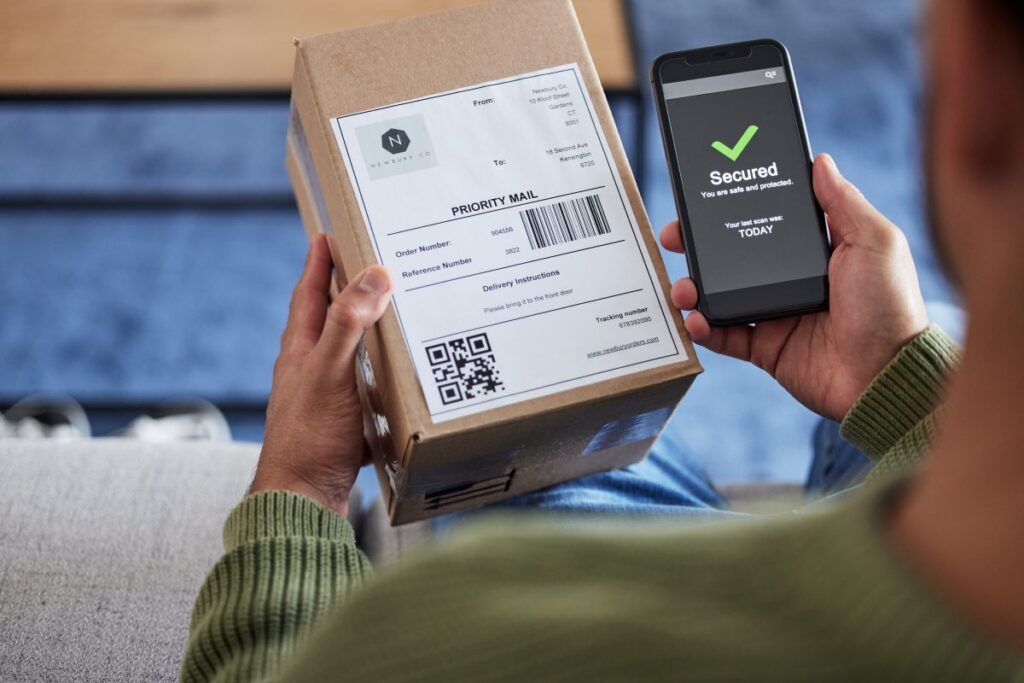
Proactive Order Tracking and Status Updates
Customers appreciate transparency more than speed alone. Real-time tracking, delivery notifications, and proactive alerts reduce uncertainty and improve trust.
By providing regular updates, brands can lower inbound support inquiries and demonstrate reliability. Even automated notifications can feel reassuring when they are timely and accurate.
Leveraging Customer Education After Purchase
Education builds confidence and satisfaction. Post-purchase content such as tutorials, FAQs, and usage tips helps customers get more value from their purchase.
This strategy reduces buyer’s remorse and positions the brand as a helpful partner rather than a seller. Educational emails and resources also decrease product-related returns.
Collecting Feedback at the Right Time
Feedback is most effective when requested after customers have had enough time to experience the product. Early feedback requests may feel premature, while delayed requests risk losing engagement.
Surveys, review requests, and rating prompts help brands identify issues, gather testimonials, and improve offerings. Customers are more likely to respond when they feel their opinion matters.
Encouraging Repeat Purchases and Upsells
The post-purchase phase is ideal for introducing repeat purchase opportunities. Reorder reminders, complementary product suggestions, and loyalty incentives can be presented naturally after the initial purchase.
These strategies work best when aligned with customer needs rather than short-term sales goals. Thoughtful recommendations feel helpful and strengthen long-term value.
Building Community and Brand Connection
Post-purchase engagement can extend beyond transactions. Encouraging customers to join a community, follow social channels, or share user-generated content builds a sense of belonging.
Referral programs and loyalty initiatives introduced after a successful purchase often see higher participation rates because customers are already invested in the brand.
Post-Purchase Experience Automation in Ecommerce
Automation allows brands to scale post-purchase engagement without sacrificing consistency. Automated emails, SMS updates, and triggered workflows ensure customers receive timely information.
Data-driven automation can personalize content based on behavior, order history, and engagement patterns. This approach balances efficiency with relevance.
However, automation should not eliminate human support. Customers still expect real assistance when issues arise, so automation must complement, not replace, customer service teams.
Common Mistakes in Ecommerce Post-Purchase Experience
Many ecommerce brands lose retention opportunities because of avoidable post-purchase mistakes. These issues often occur after checkout, when internal focus shifts away from the customer.
1. Treating the Post-Purchase Phase as the End of the Journey
Some brands consider the sale complete once payment is processed. This mindset leads to minimal follow-up, weak communication, and missed opportunities to build loyalty. Customers expect ongoing support and engagement after checkout.
2. Providing Unclear or Inconsistent Communication
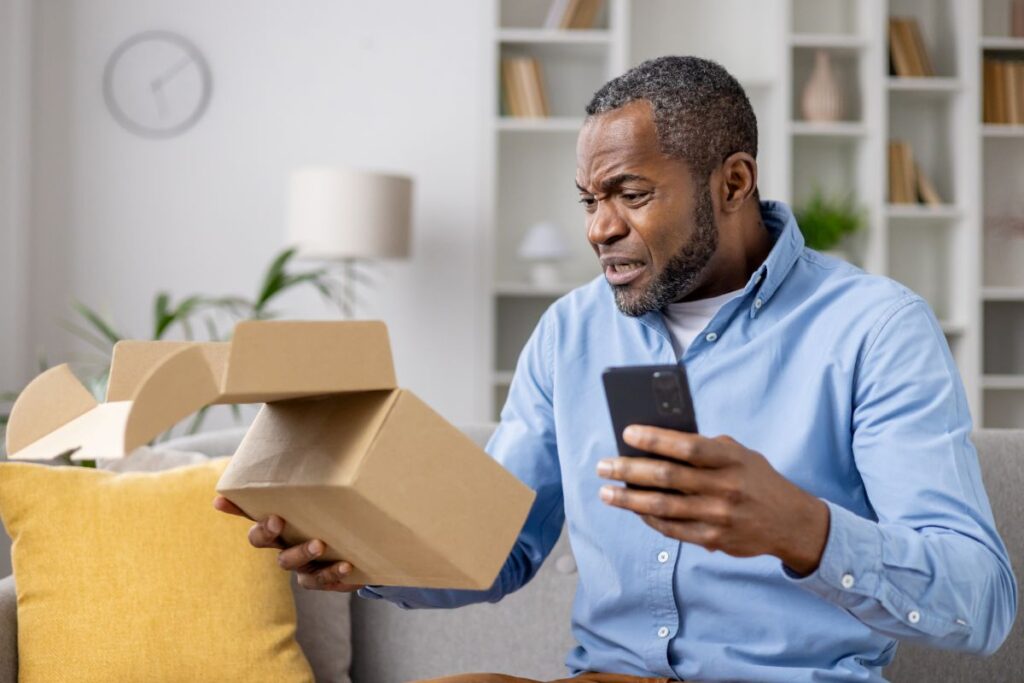
Missing order confirmations, delayed shipping updates, or conflicting messages across email and SMS channels create confusion. Customers want clear, consistent updates that reassure them their order is on track.
3. Overloading Customers With Messages
Sending too many emails or notifications can be just as damaging as sending too few. Excessive messaging can frustrate customers and lead to unsubscribes, especially when messages lack relevance or value.
4. Ignoring Delivery Delays or Issues
Shipping delays happen, but failing to proactively inform customers erodes trust. Brands that wait for customers to complain before responding often face negative reviews and support escalations.
5. Poor Returns and Refund Experiences
Complicated return processes, unclear policies, or slow refunds create lasting negative impressions. Even satisfied customers may avoid future purchases if returns feel difficult or unfair.
6. Lack of Post-Purchase Education
When customers do not understand how to use or care for a product, satisfaction drops. This often results in higher return rates, support requests, and buyer’s remorse.
7. Not Collecting or Acting on Customer Feedback
Failing to request feedback prevents improvement, while ignoring feedback signals that customer opinions do not matter. Both damage long-term trust and retention.
8. Over-Automating Without Human Support
Automation improves efficiency, but removing human assistance entirely frustrates customers when issues arise. Customers still expect access to real support when needed.
Measuring Ecommerce Post-Purchase Experience Performance
Measuring the post-purchase experience allows brands to identify friction points, improve retention, and maximize customer lifetime value. Without data, optimization efforts rely on assumptions rather than insights.
Key metrics to track:
- Repeat Purchase Rate: This metric shows how many customers return after their first order. A strong post-purchase experience directly influences repeat buying behavior.
- Customer Lifetime Value (CLV): CLV measures the total revenue a customer generates over time. Improvements in post-purchase communication, support, and education often lead to higher CLV.
- Net Promoter Score (NPS): NPS evaluates customer loyalty by measuring how likely customers are to recommend the brand. Post-purchase interactions heavily influence this score.
- Return and Refund Rates: High return rates may indicate problems with product expectations, onboarding, or delivery experience. Tracking this metric helps identify experience gaps.
- Customer Support Volume After Purchase: An increase in post-purchase support tickets often signals unclear communication or fulfillment issues. Reducing unnecessary tickets improves efficiency and satisfaction.
How to Build a Scalable Post-Purchase Experience Strategy
A scalable post-purchase strategy balances consistency, personalization, and operational efficiency. As order volume grows, systems must support quality experiences without increasing complexity.
1. Align Teams Around the Post-Purchase Journey
Marketing, fulfillment, customer support, and operations must collaborate on shared goals. Clear ownership of each post-purchase touchpoint prevents gaps and miscommunication.
Cross-team alignment ensures customers receive consistent information and support regardless of channel.
2. Standardize Core Post-Purchase Workflows
Documenting workflows for order confirmation, shipping updates, returns, and follow-up communication creates reliability. Standardization ensures every customer receives a baseline level of service.
These workflows form the foundation that can later be enhanced with personalization.
3. Use Automation Strategically
Automation helps deliver timely communication at scale. Triggered emails, SMS updates, and tracking notifications reduce manual effort and improve consistency.
However, automation should remain flexible. Customers should be able to reach human support easily when issues require personal attention.
4. Personalize Based on Customer Data
Scalable personalization relies on customer data such as purchase history, behavior, and preferences. This data allows brands to tailor post-purchase content without creating manual processes.
Personalization increases relevance and strengthens emotional connection without sacrificing efficiency.
5. Continuously Optimize Based on Feedback and Performance
A scalable strategy evolves over time. Regular analysis of performance metrics, customer feedback, and support trends helps identify areas for improvement.
Testing new communication timing, content formats, and engagement strategies ensures the post-purchase experience stays effective as the business grows.