
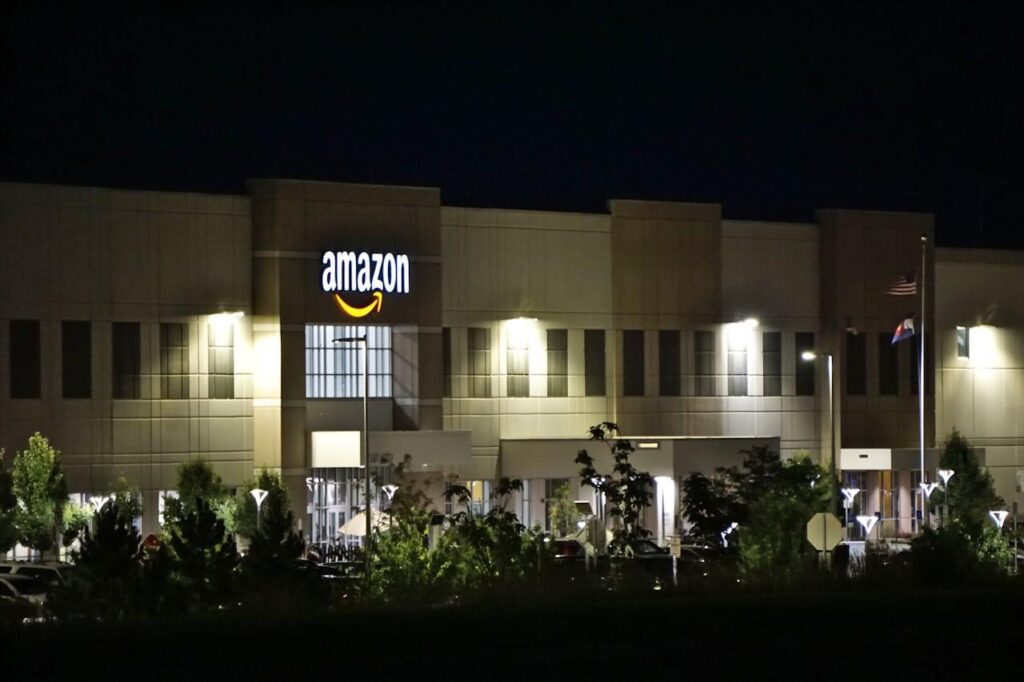
Amazon is automatically filing investigation claims for missing high-value inventory in Fulfillment by Amazon, but only for products priced above $50. The change speeds up reimbursement for some sellers while leaving lower-priced goods under the older manual process.
What Amazon Changed For FBA Sellers
In a blog post, Amazon said it will automatically create investigation claims when qualifying products over $50 go missing during the inbound fulfillment process. The company said the update is designed to reduce the time sellers wait for reimbursement.
For products below the $50 threshold, sellers still have to find the missing units and file claims themselves. That means slower resolution and more hands-on tracking for merchants selling lower-priced inventory.
Amazon said the issue is costly even at the unit level, noting that “a single missing unit in a shipment can represent hundreds of dollars in unrecovered inventory costs.” The company did not clearly say when the policy officially took effect.
Amazon also highlighted an added benefit for high-value items enrolled in its FBA Grade & Resell program. That service inspects returned products, sorts them into four condition tiers, and relists them as used inventory, with items above $50 receiving priority treatment.
Why The $50 Cutoff Matters
The threshold shows where Amazon believes automatic investigation is worth the cost. Looking into every missing item across millions of shipments would take significant resources, so the company is focusing on the cases with the biggest financial impact.
For sellers, the result is uneven. Merchants selling premium beauty products, electronics, or collectibles above $50 get more protection. Sellers moving books, small accessories, or consumables below that price still have to monitor shipments closely and handle discrepancies manually.
The policy also reflects a broader tension in marketplace operations: higher-value inventory tends to get better support, while lower-margin products often require more self-service from merchants.
Pressure From Seller Complaints
Amazon’s move comes after years of seller complaints about missing inventory. In early 2025, Reddit users described cases where merchants said Amazon had received their items but later refused reimbursement by claiming the products were never sent.
That kind of backlash likely pushed Amazon to address the problem more directly for expensive products first. It also suggests the company is responding to a pain point that has been especially visible among sellers dealing with higher-value stock.
What It Means For Operations
For sellers with catalogs above $50, the new process cuts down on administrative work and can speed up cash recovery. They no longer need to spend as much time chasing inbound discrepancies or opening manual cases.
For merchants with mixed catalogs, the workflow becomes split. Premium products benefit from Amazon’s automated claims, while lower-priced products still require detailed tracking and follow-up. That can make inventory management more complicated, especially for teams handling large SKU counts.
The financial effect goes beyond reimbursement speed. Faster claims can improve working capital because less money sits trapped in unresolved inventory losses.
What Sellers Should Watch Next
Sellers should audit how many of their products fall above and below the $50 line. If a large share of SKUs sits near that threshold, pricing strategy may matter more than usual.
It also makes sense to compare reimbursement speed and recovery rates across product tiers. That will show whether the policy is creating a real operational advantage or just shifting the burden to lower-priced inventory.
Amazon has not said whether it plans to lower the threshold or expand automatic claims to all FBA shipments. For now, the message is clear, higher-value items get first priority.