Ecommerce packaging solutions play a critical role in how customers experience your brand beyond the screen. Packaging is no longer just a protective layer around a product; it is a strategic asset that influences brand perception, operational efficiency, sustainability efforts, and long-term customer loyalty.
Modern consumers expect more than safe delivery. They look for thoughtful presentation, eco-conscious materials, and seamless unboxing experiences that reflect a brand’s values.
According to industry research, nearly 52% of online shoppers say branded packaging increases their likelihood of making repeat purchases, highlighting the direct connection between packaging and revenue growth.
What Are Ecommerce Packaging Solutions?
Ecommerce packaging solutions refer to the materials, systems, and processes used to package products sold through online channels. These solutions are designed specifically for direct-to-consumer shipping, where products travel individually through complex logistics networks before reaching the end customer.
Unlike traditional retail packaging, ecommerce packaging must prioritize durability and efficiency. Products are handled multiple times, exposed to varied transportation conditions, and shipped directly to homes rather than store shelves. As a result, ecommerce packaging solutions must protect products effectively while remaining lightweight, cost-efficient, and visually appealing.
Packaging also serves as the first physical interaction a customer has with a brand. While the purchase journey begins online, the packaging experience shapes the final impression. A well-designed package communicates professionalism, quality, and care, reinforcing brand trust and satisfaction.
At its core, ecommerce packaging solutions balance three essential functions: protection, presentation, and performance. Businesses that master this balance gain a meaningful advantage in customer experience and operational scalability.
Key Trends Shaping Ecommerce Packaging Solutions
The ecommerce packaging landscape continues to evolve as consumer expectations, environmental concerns, and fulfillment technologies advance.
Sustainability as a Competitive Advantage
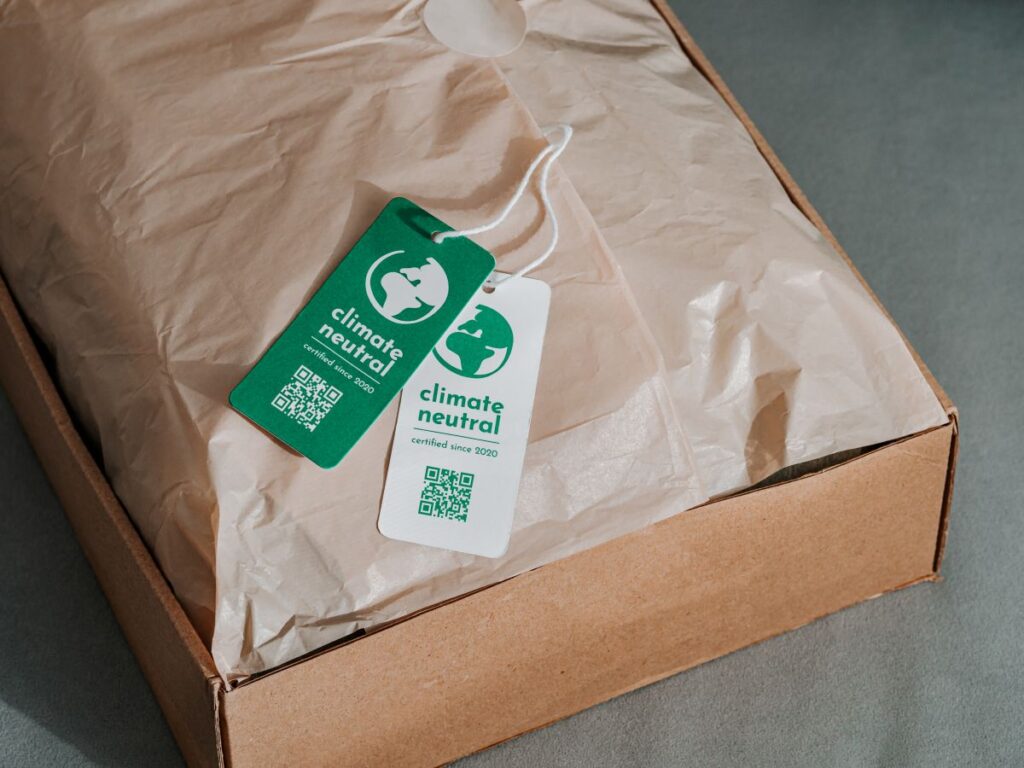
Sustainability has become a defining factor in ecommerce packaging decisions. Consumers are increasingly aware of the environmental impact of excessive packaging and single-use materials. A recent survey revealed that more than 80% of consumers prefer to buy from brands that use sustainable packaging, even when alternatives cost slightly more.
Recyclable materials, reduced packaging volume, and responsibly sourced paper products are now standard expectations rather than optional features. Many brands are adopting minimalist packaging designs that eliminate unnecessary fillers while maintaining product safety.
Sustainable packaging not only reduces environmental impact but also strengthens brand credibility. Companies that prioritize eco-friendly packaging demonstrate long-term responsibility, which resonates with environmentally conscious shoppers.
Customization and Brand Storytelling
Customization allows brands to transform packaging into a storytelling tool. Branded colors, logos, messaging, and design elements create a cohesive experience that aligns with the brand’s identity.
Custom packaging communicates consistency and attention to detail. It reinforces brand recognition and helps businesses stand out in a crowded ecommerce market. Even simple custom touches, such as printed interiors or branded inserts, can significantly elevate perceived value.
Customization also supports emotional engagement. Packaging that reflects brand values and personality fosters stronger connections and encourages repeat purchases.
Bold Design and Visual Impact
Ecommerce packaging has become a visual marketing asset. Bold colors, distinctive typography, and creative structures enhance shelf appeal in digital content, particularly when customers share unboxing experiences on social media.
Visual impact matters because packaging often appears in customer-generated photos and videos. Memorable designs increase brand visibility organically and turn customers into brand advocates.
Inserts and Added-Value Touchpoints
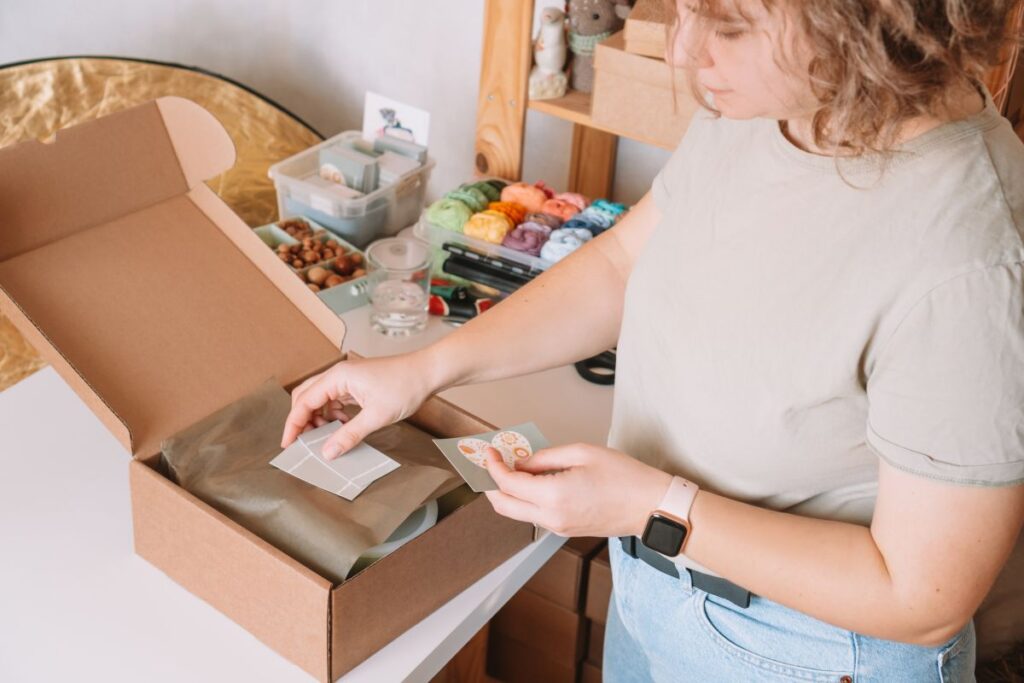
Packaging inserts offer an opportunity to extend the customer relationship. Thank-you cards, usage tips, promotional offers, or QR codes can enhance engagement without significantly increasing costs.
These added-value touchpoints make customers feel appreciated and informed. They also encourage actions beyond the initial purchase, such as social sharing, subscriptions, or repeat orders.
Types of Ecommerce Packaging Solutions
Choosing the right packaging solution depends on product type, shipping volume, and brand goals.
Ships in Own Container (SIOC) Packaging
Ships in Own Container packaging allows products to ship directly in their retail or product packaging without an additional outer box. This approach reduces material usage, packing time, and shipping costs.
SIOC packaging works best for durable products with strong outer packaging. It also supports sustainability goals by eliminating unnecessary layers and reducing waste. Many fulfillment operations favor this solution for efficiency and cost control.
Customers benefit as well, receiving frustration-free packaging that is easy to open and dispose of.
Custom Ecommerce Packaging
Custom ecommerce packaging is designed specifically for a brand’s products and identity. It often includes tailored box sizes, unique closures, branded graphics, and interior printing.
This solution provides both protective and marketing benefits. Custom-sized packaging reduces excess space, minimizing damage risks and shipping costs associated with dimensional weight pricing. At the same time, branding enhances the unboxing experience and reinforces brand recognition.
Custom packaging is particularly effective for subscription boxes, premium products, and brands focused on customer experience differentiation.
Sustainable Ecommerce Packaging Options
Sustainable packaging solutions focus on minimizing environmental impact without compromising performance. These options include recycled materials, recyclable designs, and packaging optimized to reduce waste.
Many brands are shifting toward mono-material packaging, which simplifies recycling. Others are reducing packaging volume or eliminating plastic fillers in favor of paper-based alternatives.
Sustainable packaging supports long-term cost efficiency by reducing material usage and aligning with evolving regulatory and consumer expectations.
Ecommerce Packaging Solutions by Material Type

Material selection plays a crucial role in performance, sustainability, and presentation.
Corrugated Cardboard Packaging
Corrugated cardboard remains the most widely used material in ecommerce packaging. Its strength, versatility, and recyclability make it suitable for a wide range of products.
Corrugated packaging provides excellent cushioning and structural integrity while remaining lightweight. It is highly customizable, allowing brands to choose box sizes, flute types, and printing options that match their needs.
Its high recycling rate also supports sustainability initiatives, making it a reliable choice for growing ecommerce operations.
Litho-Laminated Cartons
Litho-laminated cartons combine the durability of corrugated cardboard with high-quality printed graphics. These cartons deliver a premium appearance while maintaining strong protective properties.
They are commonly used for high-value products where presentation is critical. The smooth printing surface allows for detailed branding and vibrant colors, enhancing perceived quality and customer experience.
Bag-in-Box and Large-Format Solutions
Bag-in-box packaging is ideal for liquids, bulk items, and large-format products. This solution integrates an inner flexible bag with a rigid outer box, offering protection and ease of handling.
Bag-in-box packaging reduces material usage compared to rigid containers and improves storage efficiency. Its design also supports recyclability and convenience for consumers.
Designing an Exceptional Unboxing Experience
The unboxing experience shapes customer perception long after the product arrives.
| Unboxing Element | What It Involves | Impact on Customer Experience |
|---|---|---|
| Visual Design and Structure | Logical layouts, secure compartments, and intuitive opening mechanisms that guide customers through the unboxing process | Creates a smooth, enjoyable experience that builds anticipation and reinforces product quality |
| Color and Brand Consistency | Consistent use of brand colors, typography, and visual elements across packaging components | Strengthens brand recognition and evokes emotional responses such as trust, excitement, or sophistication |
| Tactile Experience and Materials | Smooth finishes, sturdy materials, and attention to physical details that customers can feel | Increases perceived value and signals care, quality, and durability before product use |
| Messaging and Brand Voice | Thank-you notes, brand stories, usage tips, or sustainability messages placed inside the package | Humanizes the brand, builds emotional connection, and reinforces trust and appreciation |
Encouraging customers to share their unboxing experiences or engage with the brand online extends the lifecycle of the purchase. Simple prompts or incentives can drive social interaction and repeat business.
Optimizing Ecommerce Packaging for Cost and Efficiency
Effective ecommerce packaging solutions support scalability and profitability.
SKU Optimization and Packaging Standardization
Reducing the number of packaging variations simplifies operations. Standardized packaging lowers inventory costs, reduces errors, and speeds up fulfillment.
Strategic SKU alignment ensures products fit within a manageable set of packaging options without compromising protection.
Inventory Management for Packaging Materials
Accurate inventory management prevents shortages and excess stock. Real-time visibility into packaging usage allows businesses to plan reorders efficiently and avoid disruptions.
Data-driven forecasting supports smoother operations and cost control.
Process Improvement and Automation
Automation improves consistency and speed in packaging operations. Automated packing systems reduce labor dependency and improve accuracy, especially for high-volume fulfillment environments.
Optimized workflows minimize bottlenecks and support faster order processing.
Conclusion
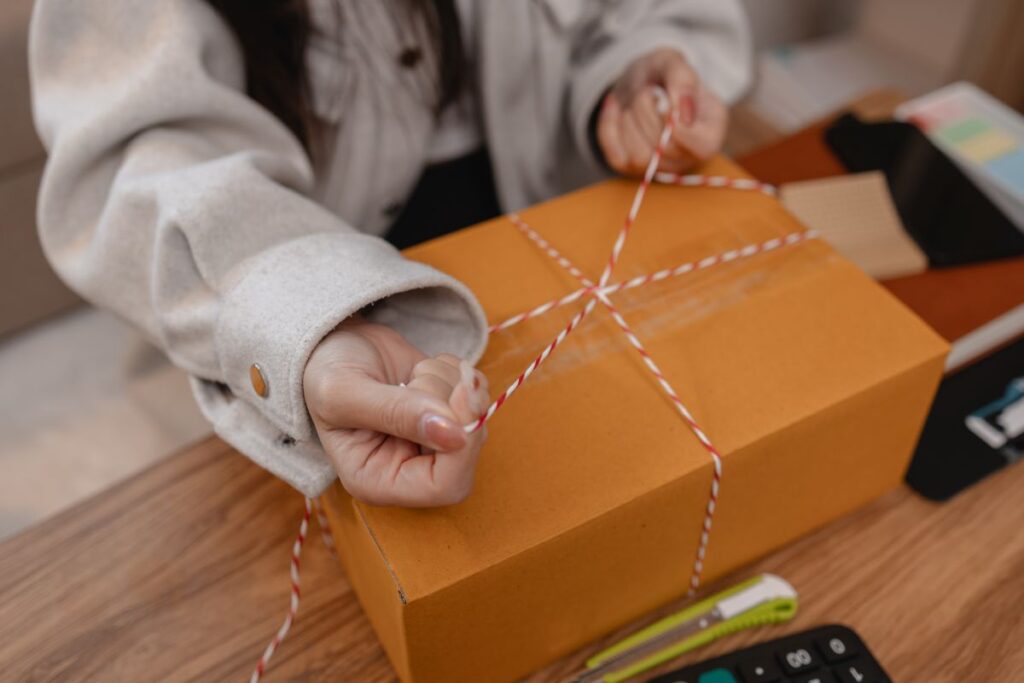
Ecommerce packaging solutions are no longer a secondary consideration. They influence customer satisfaction, operational efficiency, sustainability performance, and brand differentiation.
The most successful ecommerce businesses treat packaging as a strategic investment rather than a cost center. By aligning packaging choices with brand values, customer expectations, and operational goals, businesses create experiences that resonate long after delivery.
A scalable packaging strategy balances protection, presentation, and efficiency. As ecommerce continues to grow, brands that prioritize thoughtful, data-driven packaging solutions will be better positioned to earn trust, loyalty, and long-term success.