
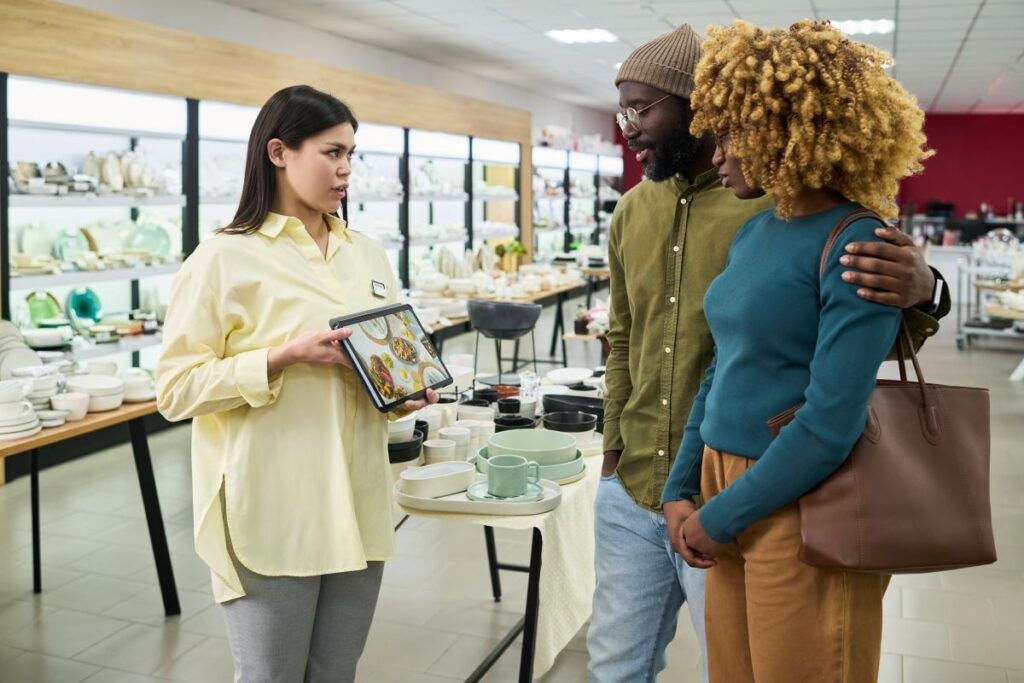
Offline to online shopping has become one of the most influential shifts in modern retail. As consumer expectations evolve and technology removes friction between physical and digital experiences, retailers are rethinking how sales, engagement, and fulfillment work together.
The result is a retail environment where physical stores no longer operate in isolation but act as discovery, service, and conversion engines that extend into online channels.
According to a 2024 McKinsey report, more than 70% of consumers now use multiple channels during a single purchase journey, highlighting how tightly connected offline and online shopping behaviors have become. Understanding this shift is critical for retailers aiming to remain competitive, profitable, and relevant.
Understanding Offline to Online Shopping
Offline to online shopping refers to retail strategies where physical interactions influence, enable, or complete digital purchases. Rather than treating stores and ecommerce as separate entities, this approach connects in-store experiences with online transactions, customer data, and fulfillment systems.
This concept goes beyond simply having both a website and a physical location. Offline to online shopping emphasizes continuity.
A customer may research products in-store, scan a QR code, receive personalized offers online, and complete the purchase through a mobile device or desktop later. In other cases, the transaction happens online while the store supports pickup, returns, or service.
Unlike traditional ecommerce, which often focuses on digital-first discovery, offline to online shopping leverages the trust, immediacy, and sensory value of physical retail. It allows brands to capitalize on foot traffic while expanding reach and convenience through digital channels.
Key Drivers Behind the Shift From Offline to Online Shopping
Several forces are accelerating the adoption of offline to online shopping models across retail sectors.
1. Changing Consumer Behavior
Consumers increasingly expect frictionless shopping experiences. They research products across multiple touchpoints and expect brands to recognize them regardless of channel. Loyalty is now shaped by experience quality rather than channel preference.
Shoppers also value autonomy. They want to browse in-store without pressure, then complete purchases later when it suits them. Offline to online shopping supports this behavior without breaking the journey.
2. Mobile and Digital Payment Adoption
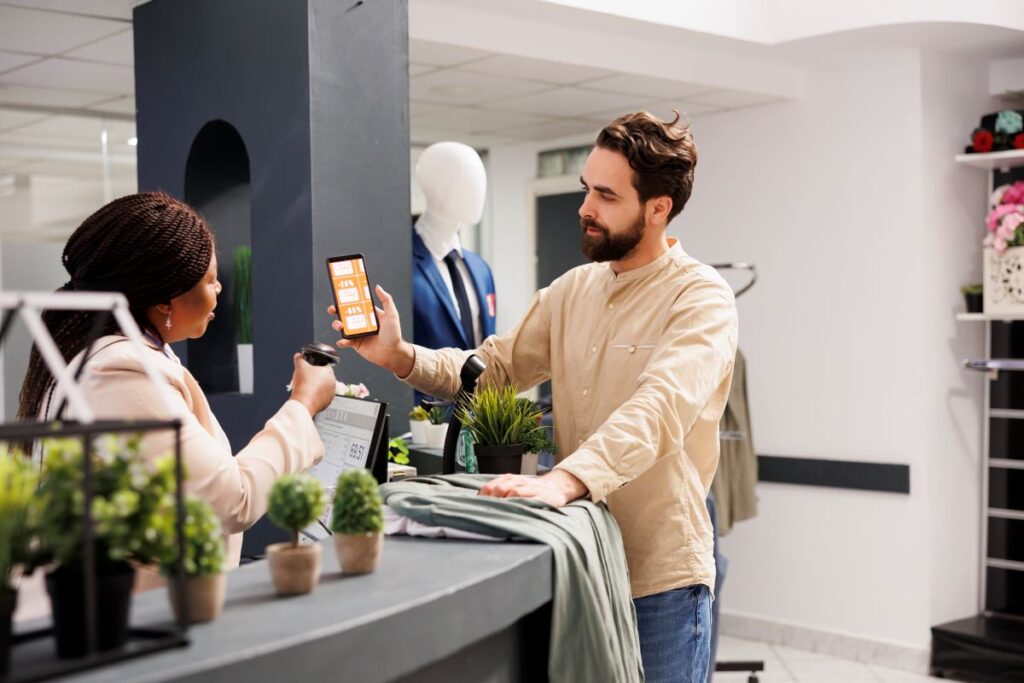
Smartphones act as constant shopping companions. Customers scan products, compare prices, and read reviews while standing in-store. Digital wallets and one-click checkout remove barriers that previously discouraged delayed purchases.
This always-connected environment encourages shoppers to shift transactions online even after engaging offline.
The Offline to Online Customer Journey
The offline to online customer journey rarely follows a straight line. Instead, it involves multiple touchpoints that influence perception, trust, and purchase decisions.
1. In-Store Discovery and Engagement
Physical stores remain powerful discovery channels. Visual merchandising, tactile interaction, and knowledgeable staff create emotional connections that influence purchasing decisions. These experiences build trust and reduce perceived risk.
Even when no purchase occurs, the impression formed in-store often shapes future online behavior.
2. Digital Research and Consideration
After leaving the store, customers frequently continue their journey online. They seek validation through reviews, pricing comparisons, and additional product details.
Brands that provide consistent information and easy access to saved products maintain engagement during this phase.
3. Conversion Across Channels
The final purchase may occur on a different device or platform. Retailers that support persistent carts, personalized reminders, and accurate inventory visibility improve conversion likelihood.
The ability to transition seamlessly between environments becomes a competitive advantage.
Offline to Online Shopping Models Retailers Use Today
Retailers employ several proven models to connect offline and online shopping effectively.
1. Click-and-Collect and In-Store Pickup
Click-and-collect combines digital convenience with physical immediacy.
Customers avoid shipping delays while retailers benefit from reduced delivery costs and increased foot traffic. Many shoppers make additional purchases during pickup, increasing overall basket value.
2. Endless Aisle and Assisted Ordering
Endless aisle solutions expand product availability without expanding store inventory. Sales associates assist customers in placing online orders, preserving the sale while enhancing service quality.
3. Social Commerce and Clienteling
Clienteling tools allow associates to maintain relationships beyond the store visit. Personalized messages, curated product links, and follow-ups strengthen engagement and support online conversion.
4. Local Inventory Visibility
Showing nearby availability online helps customers make faster decisions. This transparency builds trust and encourages store-based fulfillment when speed matters.
Technologies Enabling Offline to Online Shopping
Technology is the foundation that makes offline to online shopping scalable and measurable.
Modern point-of-sale systems integrate directly with ecommerce platforms, ensuring pricing, promotions, and customer profiles remain consistent. This integration allows transactions to be tracked across channels, providing a unified view of customer behavior.
Customer data platforms and CRM tools synchronize interactions, enabling personalization based on both online browsing and in-store activity. When a shopper logs into an account online, their offline interactions can inform recommendations and messaging.
Inventory management systems play a critical role. Real-time stock visibility reduces friction and prevents disappointment caused by inaccurate availability information. Retailers with accurate inventory data are better positioned to offer flexible fulfillment options.
Mobile apps, QR codes, and in-store digital tools bridge the physical-digital gap. Shoppers can scan products for additional information, access reviews, or save items for later purchase online.
Offline to Online Shopping and Omnichannel Retail Strategy
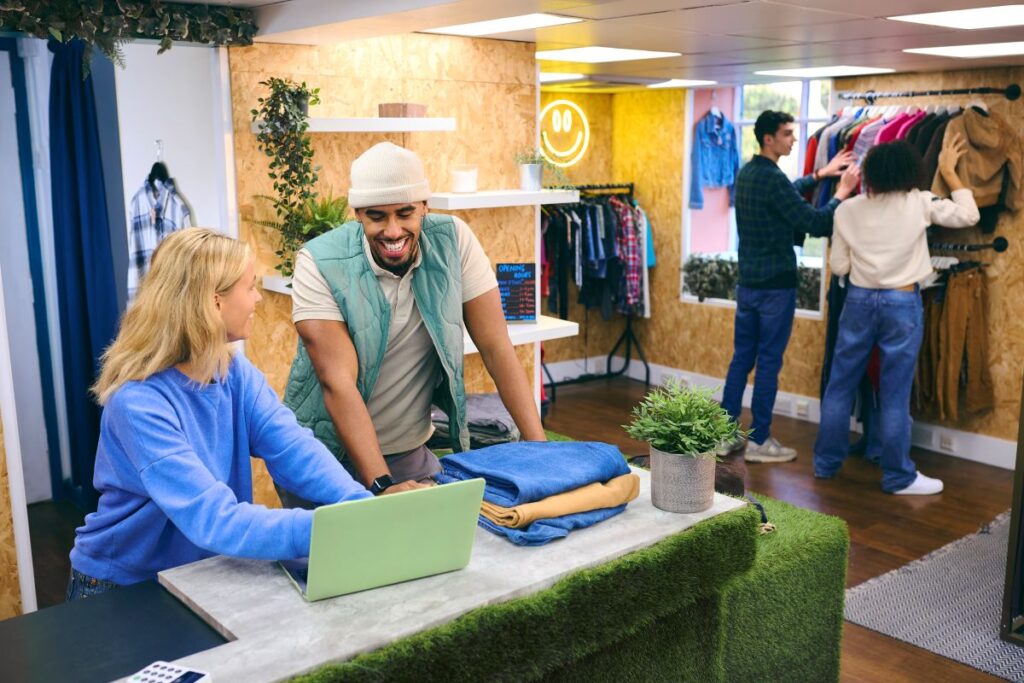
Offline to online shopping is a critical pillar of a successful omnichannel retail strategy. While omnichannel retail focuses on delivering consistent experiences across all customer touchpoints, offline to online shopping specifically addresses how physical interactions translate into digital engagement and revenue. Together, they create a unified retail ecosystem that aligns customer experience, operations, and data.
How Offline to Online Shopping Supports Omnichannel Execution
In an omnichannel context, stores serve multiple functions beyond sales. They act as brand experience centers, customer service hubs, and logistics nodes.
Offline to online shopping enables stores to support online orders through pickup, returns, exchanges, and assisted digital ordering.
These capabilities reduce friction and improve customer satisfaction while lowering last-mile delivery costs. Stores also provide opportunities for personalized engagement that strengthens digital relationships over time.
Data Unification Across Offline and Online Channels
A core requirement of omnichannel success is unified customer and inventory data. Offline to online shopping depends on shared data systems that capture in-store interactions and connect them with online behavior. This unified view enables accurate personalization, consistent pricing, and reliable inventory visibility.
When offline and online data remain disconnected, omnichannel efforts break down. Customers experience inconsistencies that erode trust and reduce conversion likelihood.
Offline to online shopping reinforces the importance of consistency across channels. Product information, promotions, loyalty programs, and brand messaging must align regardless of where the interaction occurs.
Omnichannel retailers that deliver this consistency reduce cognitive effort for customers and increase confidence in purchasing decisions.
According to Salesforce, 73% of customers expect companies to understand their needs and expectations across all touchpoints, highlighting how closely offline to online execution is tied to omnichannel success.
Offline to online shopping provides a practical path for scaling omnichannel retail. Retailers can incrementally connect stores to digital systems, test new fulfillment models, and expand personalized engagement without overhauling their entire operation at once.
As customer behavior continues to evolve, retailers that treat offline to online shopping as a strategic omnichannel capability rather than a tactical add-on will be better positioned to adapt, compete, and grow.
Benefits of Offline to Online Shopping for Retailers
- Higher Conversion Rates: Customers can purchase at their convenience, even after leaving the store, increasing overall conversion opportunities.
- Improved Inventory Efficiency: Stock can be sold across channels rather than remaining tied to individual locations.
- Stronger Customer Loyalty: Harvard Business Review found that omnichannel customers spend 10% more online than single-channel shoppers, highlighting the financial impact of connected experiences.
- Better Data and Insights: Retailers gain visibility into how physical interactions influence digital purchases.
Benefits of Offline to Online Shopping for Consumers
- Seamless Shopping Experiences: Customers move between channels without repeating steps or losing context.
- Flexible Fulfillment Options: Delivery, pickup, and hybrid options allow shoppers to choose what fits their schedule.
- Personalized Engagement: Combined data enables relevant recommendations and tailored promotions.
- Greater Transparency: Real-time pricing, reviews, and availability empower informed decisions.
Best Practices for Executing an Offline to Online Shopping Strategy
Effective execution requires alignment across technology, operations, and customer experience.
Consistency is critical. Branding, pricing, and messaging should match across physical and digital environments to avoid confusion or mistrust.
Inventory, promotions, and customer data must be synchronized. Real-time visibility prevents friction and supports flexible fulfillment options.
Retailers should adopt a test-and-learn mindset. Piloting new tools, layouts, or processes in select locations helps identify what works before scaling broadly.
Collaboration between teams is equally important. Marketing, operations, and store staff must share goals and insights to deliver cohesive experiences.
The Future of Offline to Online Shopping
Offline to online shopping will continue evolving as technology and consumer expectations advance.
Automation and AI-driven personalization will play larger roles, enabling real-time recommendations and predictive inventory allocation. These tools help retailers anticipate demand and tailor experiences more precisely.
In-store digital experiences are also expanding. Interactive displays, mobile-assisted selling, and augmented reality enhance engagement while supporting online follow-up.
The line between physical and digital retail will continue to blur. Stores will increasingly serve as experience hubs, service centers, and fulfillment nodes rather than standalone sales channels.
Retailers that embrace offline to online shopping as a core strategy, rather than a temporary adaptation, will be best positioned to grow in an increasingly connected retail landscape.