
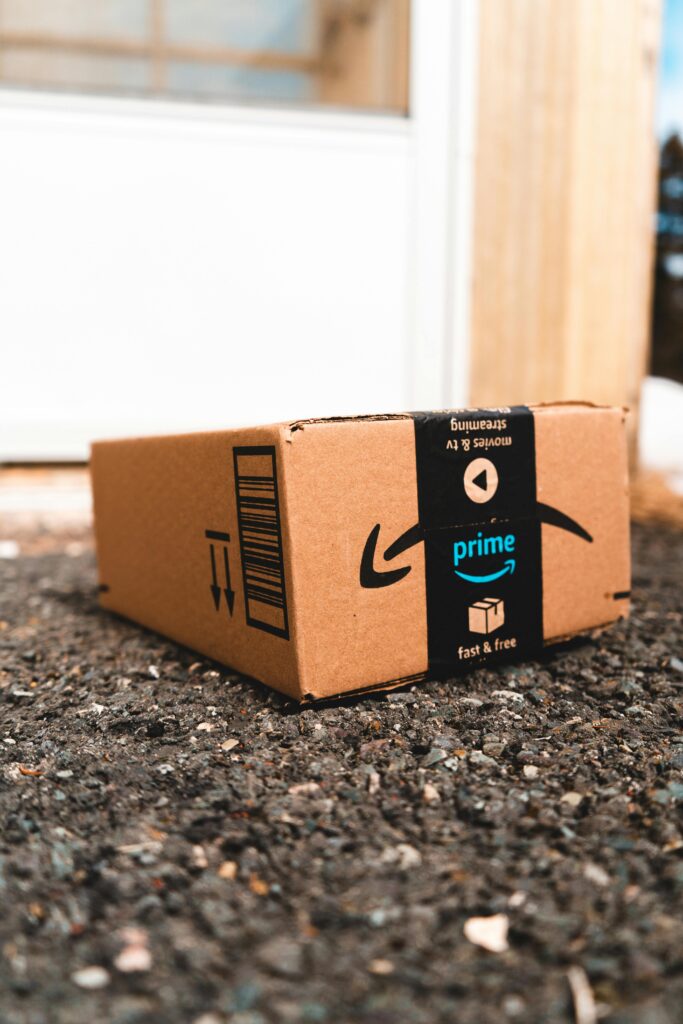
For over a decade, the Fulfillment by Amazon (FBA) program has been the easy button for e-commerce entrepreneurs. You source a product, ship it to an Amazon warehouse in bulk, and, for a small per-unit fee, Amazon’s army of workers would handle the bubble wrapping, bagging, and barcode labeling. It was the ultimate friction-reducer for the laptop-lifestyle seller.
That era has officially come to an end.
Effective January 1, 2026, Amazon has formally discontinued its in-house Amazon FBA Prep and Labeling services. According to an announcement posted on Seller Central, the retail giant will no longer accept requests to prep or label inventory upon arrival at its fulfillment centers.
From this point forward, every single unit entering the Amazon ecosystem must be floor-ready. For the hundreds of thousands of merchants who rely on Amazon’s infrastructure to mask supply chain inefficiencies, they must either adapt or face the consequences.
Why Amazon Is Dropping In-House Prep and Labeling
The discontinuation of these services fundamentally changes the math of inventory management. Previously, a seller could have products shipped directly from a factory in Shenzhen or a wholesaler in Ohio straight to an Amazon warehouse, knowing that Amazon would fix any labeling issues for a fee.
Starting now, that safety net is gone. If a shipment arrives without the correct scannable barcodes or required protective packaging, it won’t just be a matter of paying a small fine. Amazon has indicated that non-compliant shipments will be flagged as Unplanned Service Failures and could lead to:
- Immediate Rejections: Entire shipments being sent back to the point of origin at the seller’s expense.
- Inventory Stranding: Goods sitting in a cage for weeks while the seller tries to arrange for a third-party liquidator to retrieve them.
- Account Health Risks: Repeated failures to meet packaging standards can lead to the suspension of inbound shipping privileges.
The Rise of 3PL Prep Centers
With Amazon exiting the prep game, a massive vacuum has been created in the logistics space. This has led to a gold rush for 3PL prep centers (Third-Party Logistics). These independent warehouses specialize in receiving bulk shipments, inspecting them for quality, and prepping them to meet Amazon’s stringent shippingstandards. For many sellers, moving to a 3PL is now a survival requirement.
The shift to 3PLs adds a new layer to the supply chain. While it may increase the per-unit cost slightly compared to Amazon’s old subsidized fees, professional prep centers often offer better quality control, preventing the dreaded Negative Customer Experience (NCX) flags caused by damaged or mislabeled goods.
Three Steps to Keep Your Products Amazon-Ready
To navigate this transition without losing holiday momentum or tanking their margins, merchants should focus on three strategic pillars:
1. Renegotiate with Manufacturers
The most cost-effective way to handle this change is to move the prep work further upstream. If your manufacturer can print the FNSKU directly on the product packaging (using digital printing or integrated labeling), you eliminate the need for a middleman. This requires stricter Quality Assurance at the factory level, but it is the gold standard for high-volume brands.
2. Audit Your 3PL Partnerships
If you aren’t at the scale where you can dictate packaging terms to a manufacturer, find a reliable 3PL prep center immediately. However, when vetting a partner, don’t just look at price. Ask about their software integrations with Amazon’s “Send to Amazon” workflow and their turnaround times during peak seasons.
3. Tighten Your Software Stack
Accuracy in inventory management is now more critical than ever. Sellers should utilize software that provides real-time visibility into what is “Work-in-Progress” at a prep center versus what has been shipped to Amazon. Miscounting a shipment now carries far greater consequences than it did before.
The 2026 Amazon Reality
Amazon’s decision to sunset FBA Prep and Labeling services is a growth moment for the marketplace. The barrier to entry for casual, set-it-and-forget-it, sellers has just become significantly higher.
However, for professional brand owners, this change offers an opportunity. By taking control of their own supply chain and ensuring their inventory is Amazon-ready before it even hits the truck, they can avoid the delays and errors that plagued the old system. The easy button may be gone, but for those willing to build a robust logistics strategy, the path to scaling on Amazon has never been more clearly defined.
As we move into 2026, the mantra for the successful merchant is simple: Prep early, prep right, or don’t ship at all.