Google is testing a new kind of software engineering interview, one that lets candidates use AI assistants during technical assessments. The change signals a bigger shift in how the industry views engineering talent: increasingly, the job is not just about writing code alone, but about using AI effectively to solve problems.
Google’s New AI-Assisted Interview Process
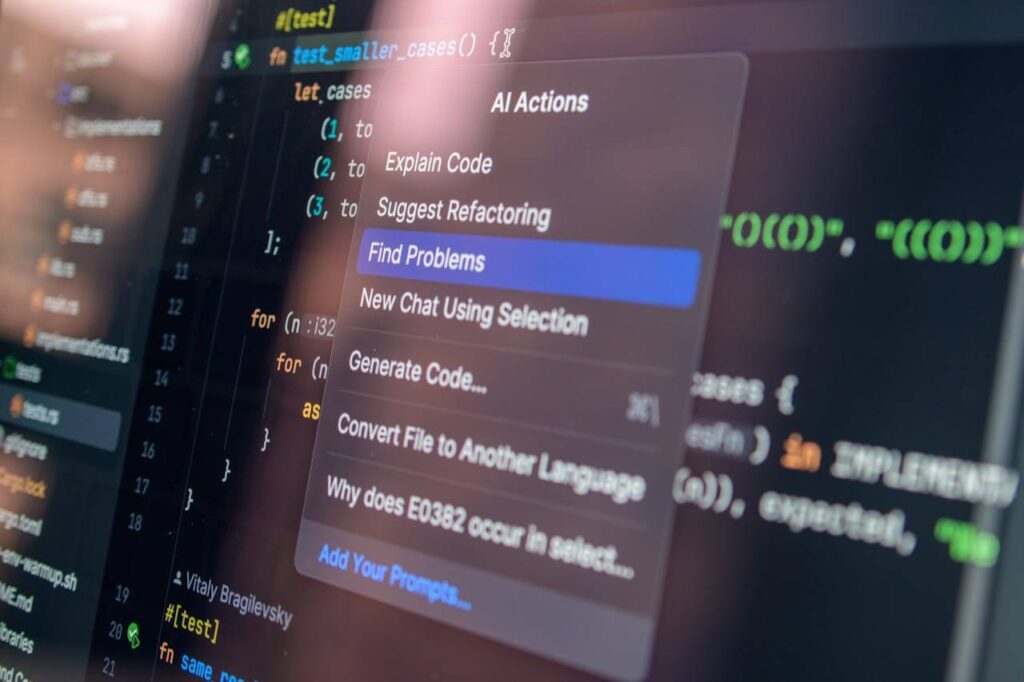
The pilot program applies to junior and mid-level software engineering roles at select U.S. teams during the second half of 2026. During a new “code comprehension” interview round, candidates will use Google’s Gemini AI assistant to read, debug, and optimize existing code. Interviewers will assess skills that were not part of traditional technical screens: prompt engineering, output validation, and AI-assisted debugging.
The change comes as three-quarters of new code created inside Google is now generated by AI, according to the company. That proportion represents a fundamental shift in how software gets built, even at one of the world’s most engineering-intensive organizations. Google is not alone. AI coding startup Cognition and design platform Canva have already adopted similar interview approaches.
Why Engineering Teams Need AI Fluency
For ecommerce businesses, Google’s hiring shift signals that AI fluency is rapidly becoming a core technical competency, not an optional skill. Merchants building custom storefronts, integrating complex middleware, or maintaining homegrown order management systems should expect the talent market to adjust quickly. Developers who can effectively direct AI coding assistants will command premium rates, while those relying solely on manual coding face growing disadvantage.
The implications extend beyond hiring. If three-quarters of Google’s code is now AI-generated, ecommerce technology leaders should reassess their own development workflows. Teams still writing most code manually may be operating at a significant productivity disadvantage compared to competitors already leveraging tools like GitHub Copilot, Tabnine, or Amazon CodeWhisperer.
This shift also changes the risk profile of technical projects. AI-generated code can accelerate feature delivery and reduce routine errors, but it introduces new validation requirements. Code that compiles and runs correctly may still contain subtle security vulnerabilities, performance bottlenecks, or architectural inconsistencies that human developers would catch.
Merchants will need stronger code review processes and testing protocols to manage AI-generated output safely. Especially now since ChatGPT has decreased its pricing model, you’ll see more and more people generating big stacks of code.
How AI Is Changing Agency Expectations
Google’s move follows broader adoption of AI coding tools across the technology sector. Microsoft-owned GitHub reported in 2025 that Copilot was contributing to more than half of code written on its platform. Shopify has publicly discussed using AI to accelerate internal development, though it has not disclosed specific adoption rates.
For smaller ecommerce businesses, the competitive gap could widen quickly. Enterprise retailers and well-funded direct-to-consumer brands can afford to retrain developers and adopt AI tooling at scale. Mid-market merchants with lean technical teams may struggle to keep pace unless they prioritize AI skill development now.
The shift also affects agency relationships. Merchants working with development agencies should ask pointed questions about AI tool usage, code review standards, and how AI-generated code is validated before deployment. Agencies that have not adapted their workflows may deliver slower results at higher cost.
Preparing Your Team for AI-Assisted Development
Technology leaders at ecommerce businesses should evaluate their current development practices against the new standard Google is establishing. Teams that have not yet adopted AI coding assistants should run structured pilots with tools like GitHub Copilot or Cursor, measuring impact on velocity, defect rates, and developer satisfaction. The goal is not to replace developers but to amplify their output and free them from repetitive tasks.
Hiring managers should update job descriptions and interview processes to reflect AI-assisted development as a core skill. Ask candidates to demonstrate prompt engineering, explain how they validate AI-generated code, and describe situations where they chose not to use an AI suggestion. These questions will become standard across the industry as Google’s approach spreads.
Training budgets should include AI fluency for existing technical staff. Developers who learned to code before 2023 may lack experience with AI assistants, and waiting for natural attrition to refresh skills will leave businesses vulnerable. Structured training programs, hands-on projects using AI tools, and clear guidelines for safe AI code usage should be in place before the end of 2026.
Outlook
Google’s pilot will likely expand beyond junior and mid-level roles if early results are positive. Other major technology employers will adopt similar practices, accelerating the shift across the talent market.
For ecommerce businesses, the window to adapt is narrow. Companies that treat AI coding tools as optional or experimental risk falling behind competitors who recognize this as a permanent change in how software gets built.
The immediate question for merchants is whether their current technical teams can operate effectively in an AI-first development environment, and if not, how quickly they can close that gap.