
While beauty ecommerce brands are achieving an impressive first-order payback rate, these solid numbers are hiding a deeper problem. While getting customers in the door doesn’t seem to be a problem, keeping them around isn’t so easy.
New data from Decile, a customer analytics platform, reveals that many beauty ecommerce brands suffer from weak long-term economics, and the platform recommends that companies move beyond first-order payback methods and instead focus on retention.
The First-Order Payback Trap
Despite beauty brands achieving an 84% first-order payback rate, Decile warns that these numbers are leading to companies falling into a “first-order payback trap”. This is where companies over-optimize for quickly recovering customer acquisition costs (CAC) on a customer’s first transaction.
With CAC often being quite high today, it makes sense that many companies prioritize quick ROI. Whether it’s Meta ads, TikTok ads, or others, advertising isn’t cheap, so many marketing teams want to demonstrate ROI as soon as possible, often on the first purchase, to justify their marketing budget and spend.
However, this is a short-term vision that often clouds judgement surrounding what actually fuels long-term profitability for brands, such as strong customer retention and loyalty.
The Dangers of Over-Optimizing for Immediate Cash Returns
The danger of this over-optimization is that it has the potential to stunt your growth and trap companies in a never-ending cycle of having to constantly chase new customers. In fact, despite the strong first-order payback rates that beauty sellers enjoy, the long-term economics are much weaker, most notably a 1.4 ratio of customer lifetime value (LTV) to CAC.
This is an unsustainable figure for most businesses, and means that every $1 you spend to acquire a customer, that customer only generates $1.40 in lifetime revenue for your company.
The data also highlighted other subpar numbers for beauty ecommerce brands, such as a 21% average retention rate and a 35% average repurchase rate, which means that only around a third of your customers ever make another purchase from you. This is worrisome, as customer retention and LTV growth are among the biggest ecommerce success factors.
Focus on Building Loyalty and Retention
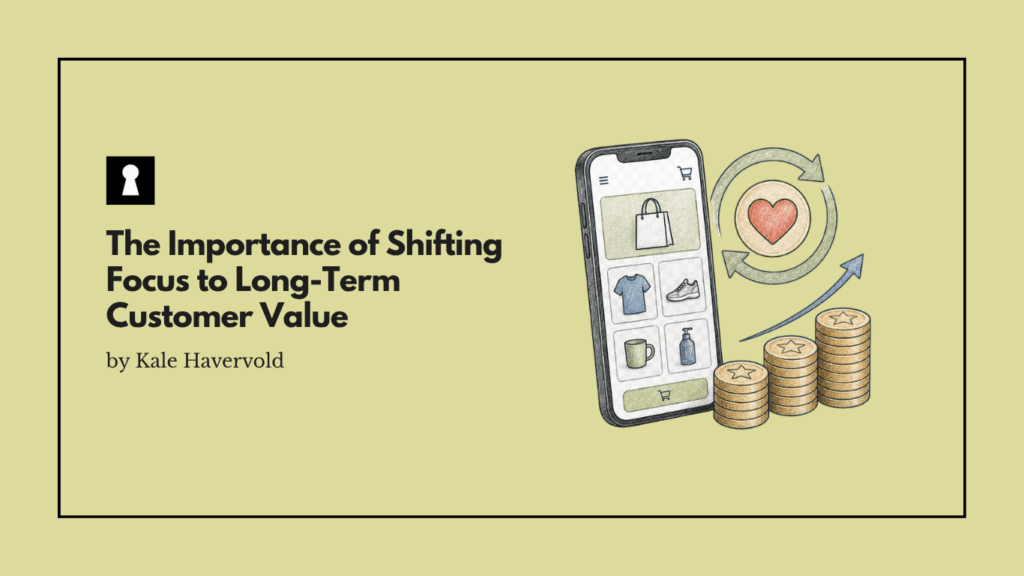
Instead of putting so much effort into instantly recouping CAC, companies need to shift their focus towards lifting repurchase rates and getting customers to stick around. The goal shouldn’t be to get a customer to make a single purchase to earn back what you spent to acquire them, but instead find ways to compound the value a customer over time.
This may be through strategic bundling, cross-selling, upselling, subscription models, loyalty programs, great customer support, personalization, or automated engagement and re-engagement.
These help you stay profitable over time and prevent you from having to rely mainly on new customers to stay afloat.
Some beauty companies are already responding to this retention problem with their own loyalty programs or subscription boxes that send customers new beauty products every month.
Also, the more a company focuses on getting ROI as quickly as possible, each customer begins to feel more like a number or transaction, as opposed to a relationship or asset that you can build over time to enjoy even greater value and profit in the future.
The Changes Required to Make This Shift
To properly make this shift from focusing on quick ROI to a more long-term approach, brands need to make both cultural and operational changes. This includes:
- No longer treating first-order payback as a main metric.
- Setting up a real-time dashboard to monitor other, more valuable metrics, like LTV, churn, retention patterns, and sequential purchase behavior.
- Incentivize and fund marketing teams based on things like repurchase rates, not the speed of the initial CAC payback.
- Use analytics to customize product detail pages, track customer value, and align product recommendations with specific customer personas.
- Identify the timing sequences and product combinations that most reliably drive repeat purchases by investing in things like market basket analysis and subscription program design.
Our Take
Benefits Beyond Beauty
While this data focuses on the beauty sector and the dangers of letting solid initial returns shield poor long-term economics, the value of the message goes beyond beauty. Companies and ecommerce sellers in all industries can take this data to heart and use it as a wake-up call if they tend to focus on quick ROI.
Sure, getting customers in the door is always going to be important, but true growth and success as an ecommerce seller requires building up your customer base and driving retention and repeat purchases.
This doesn’t mean you should completely abandon your outreach efforts, but simply that you should allocate some of your time, energy, and budget towards keeping people around, too.