
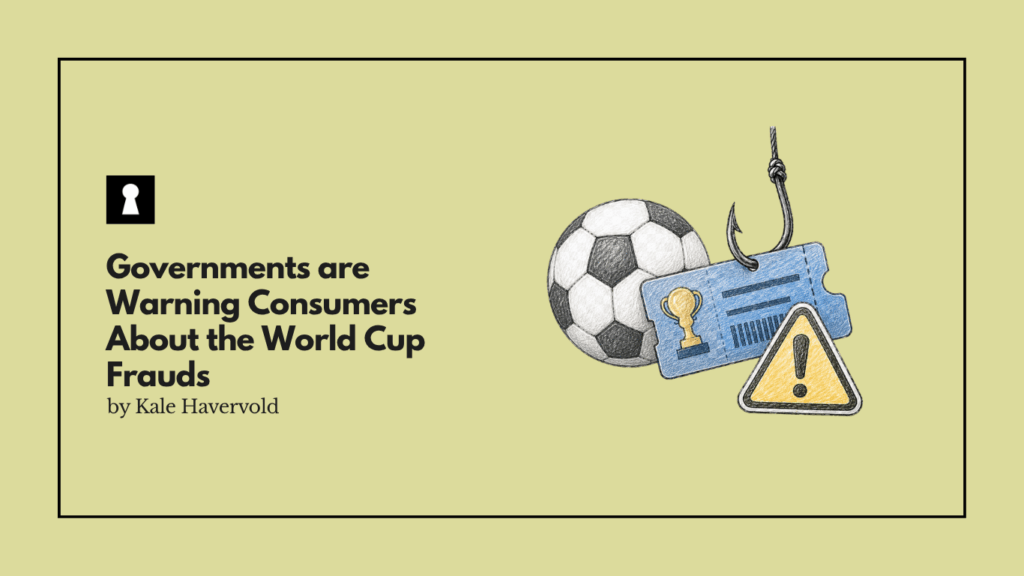
The World Cup should be about the product on the field, as some of the best athletes on the planet try to win it all for their country. However, for many consumers and ecommerce brands, it’s about the fraud and scams that they’ve encountered during the event.
Fraudsters have made things very hard for both individuals and businesses throughout the World Cup, and they’re forcing both of them to make difficult decisions, which may have consequences long after the final whistle.
FIFA’s New Pricing Led Many Fans to Scammers
FIFA announced that it had sold six million tickets by June 10th, showing the huge demand that there was to watch the event throughout North America. However, FIFA’s pricing decision for the 2026 World Cup may have led many fans to scammers before the event even began.
For the first time, FIFA decided that World Cup game prices would be dynamic, which meant the price of a ticket would move based on how much interest there was among potential buyers. With so much demand in the tournament, this sent the price of many tickets to the moon.
In fact, prices for group stage games were originally set at $575 and ended up at $1,000 at the first round of resales. Due to these high prices, many fans were pushed out of official channels to buy tickets and forced to look at unofficial channels, where scams are common. But despite the risks, many fans were willing to take a chance to get into a World Cup game.
In fact, 19% of Gen Z fans said they were willing to buy tickets from these unofficial sites, regardless of the risks. In addition to tickets, 43% of Gen Z had seen potentially fraudulent travel content on social media, proving that scammers weren’t only trying to take advantage of ticket buyers, but also travelers.
The Scams and Fraud Began Way Before the Tournament
While ecommerce brands were preparing for the World Cup, so were scammers and fraudsters. Many of the scams that are plaguing soccer fans across North America and the rest of the world have been in the works for a long time.
For instance, Check Point recorded just shy of 10,000 fraudulent World Cup-related domains registered in April 2026, which was more than five times the peak volume of the 2022 World Cup. This is a monumental growth in scams in only a few short years, and shows that the scale of the problem is getting out of control.
Between January and May, over 13,000 tournament-themed domains were logged by Fortinet. Also, it’s believed that fraudsters were using automation and AI at scale to build.
Among the tactics used by these scammers are near-perfect clones of websites, fake single sign-on (SSO) pages, typosquatting on domains that look like official ones, and running paid ads and buying sponsored placement in search results so their scam site was at or near the top of the page.
Plenty of Official Warnings
While people continue to be tricked by these scams, they’re not a hidden secret. In fact, the governments of all three host countries launched official anti-fraud campaigns. For example, in Canada, the government warned against merchandise scams and fraudulent ticketing sites.
The FBI issued a PSA to urge consumers to only buy tickets officially, and not click search results or ads. Mexico’s consumer protection agency, Profeco, created an educational campaign to prevent online scams, and even took legal action against companies selling tickets before the official channels even opened.
Many Real Fans Also Look Like Scammers
In addition to many scammers and fraudsters taking advantage of fans during the tournament, many fans themselves may end up looking like scammers to various merchants. This is because, on paper, much of the behavior many World Cup fans are exhibiting looks questionable to brands.
People buying at strange hours and/or buying from sites they’ve never visited or shopped on often ring alarm bells for sellers, as the behavior mimics what people often do when they’re testing out stolen credit card information.
With many people from all over the world coming to North America, shopping in new places and buying from new sites, fraud systems likely had a hard time determining what was actually fraudulent, and what was just a World Cup fan changing their shopping behavior and purchasing habits as a result of the tournament.
There are already enough challenges for ecommerce brands to deal with during the World Cup, and having to constantly determine whether customers are real fans or fraudsters makes life difficult.
Of course, in addition to real fans appearing like scammers due to their behaviors, there’s plenty of real ecommerce fraud going on, as well. This may be people getting accounts taken over, people abusing return policies if they regret their purchase, and people using/testing stolen card credentials.
Our Take
A Difficult Situation for Merchants
Because of the behavior of many fans during the World Cup, and other events like this, merchants are often put in a difficult position. Your fraud monitoring efforts become a balancing act.
If you’re too lenient and lower your restrictions to account for the varying habits of people during events like this, you may let fraud through. But if you’re too strict and rigid with the types of purchases and/or customers you block, you may stop legitimate fans from buying your items.
To help with this struggle, many companies may consider using adaptive risk scoring as opposed to static rules, as they continuously update a customer’s risk level based on hundreds of contextual signals, and thus have a better chance of avoiding false positives and blocking legitimate purchases.
To further avoid scams, you could also encourage alternative payment methods, which may have additional security layers like encryption or tokenization that reduce your exposure to fraud.
Companies should also monitor account takeovers and ensure they have strict 2FA rules for when people try to change account details, to prevent scammers from taking over legit accounts to make fraudulent purchases.