
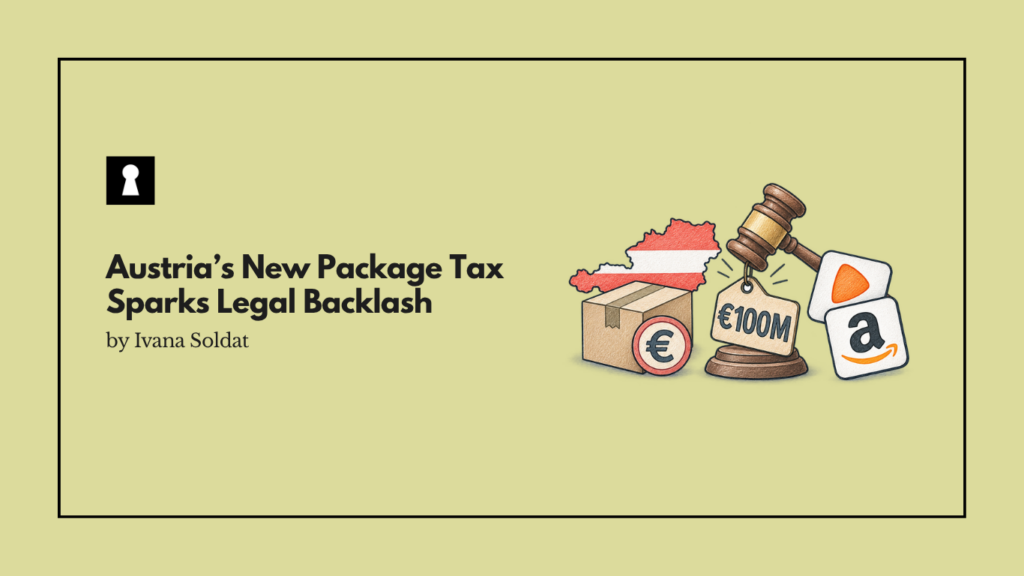
Effective October 1, 2026, Austria levies a net tax of 2 Euro per delivered package, which translates to a 2.40 Euro gross charge for the end customer. However, this tax exclusively targets shipping retailers with more than 100 million Euro in Austrian shipping revenue in the previous fiscal year. This affects approximately 15 to 16 major providers, including Amazon, Zalando, Temu, Shein, AliExpress, Otto, and MediaMarkt.
This specific threshold creates a dangerous “cliff effect.” Retailers hovering just below the 100 million Euro mark now have a direct financial incentive to artificially cap their growth in the Austrian market. Crossing that revenue threshold triggers a blanket tax on every single subsequent package, effectively punishing market expansion and distorting natural competitive dynamics.
Zalando And Amazon Lead The Constitutional Charge
The industry pushback has been swift and coordinated. Zalando formally filed a lawsuit with the Austrian Constitutional Court on August 20, 2026, arguing against the levy’s implementation. Amazon has similarly raised profound concerns regarding the tax’s constitutionality and its fundamental incompatibility with the European Union’s single market principles.
Otto Austria’s management has indicated that they expect up to ten major retailers to join the legal fray. The core legal argument centers on the claim that this tax disproportionately targets foreign and cross-border digital retailers while unfairly exempting traditional brick-and-mortar stores that utilize their own logistics networks, thereby violating principles of equal treatment and free movement of goods.
The Revenue Goal Masks A Flawed Economic Premise
The Austrian Ministry of Finance projects that this package tax will generate approximately 280 million Euro annually. The stated political objective is to use these funds to finance a corresponding reduction in value-added tax on basic food items.
While the political framing positions this as a progressive measure to relieve household food costs, the economic reality is that it functions as a regressive logistics tax. The cost is ultimately passed down to the consumer at checkout, making everyday online purchases more expensive regardless of the buyer’s income level.
Retailers Attempt Damage Control With Return Refunds
Recognizing the severe customer experience friction this tax introduces, some affected retailers are attempting to mitigate the backlash. Both Otto Austria and Zalando have announced that they will refund the package tax to customers in the event of complete and timely returns.
While this gesture softens the blow for consumers who change their minds, it does nothing to solve the core issue for successful, non-returned transactions.
Furthermore, it adds a layer of administrative complexity for retailers who must now track, calculate, and process these specific tax refunds alongside standard return logistics.
Our Take
The Package Tax Austria Didn’t Need
Austria’s package tax is a blunt fiscal instrument disguised as a progressive policy. By targeting a specific revenue threshold of digital retailers, the government is not fixing a market failure; it is engineering one.
The resulting legal battles will likely drag on for years, but the immediate damage is already done: consumer prices have risen, and growth incentives for digital commerce have been actively punished.
Retailers operating in this market must now factor this 2.40 Euro friction into their pricing models, while aggressively supporting legal efforts to dismantle a policy that treats digital logistics as a punitive target rather than a vital economic engine.