
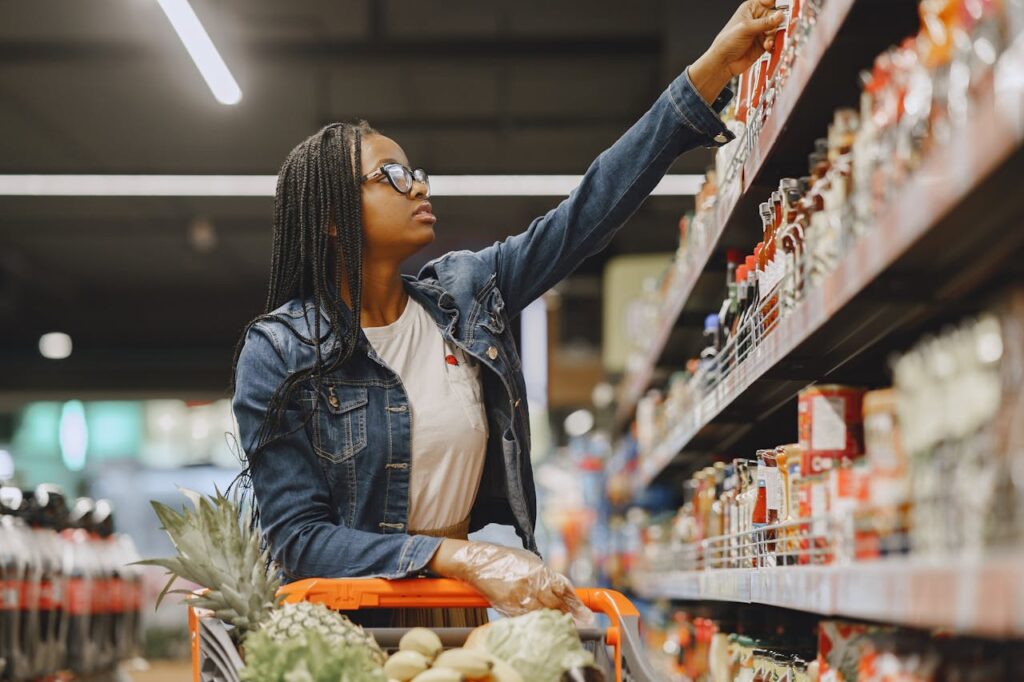
The war in the Middle East has left a dent in the U.S. retail market. Budget shoppers, who form the largest base among the online buyers, are directly impacted. Surging gas prices, which have spiked 52% since the Iran war to $4.56 a gallon on average, are now at the highest level in two years, since July 2022.
CEOs across consumer-facing industries like retail, restaurants, and packaged foods are reporting worrying trends of negative cash flows in certain low-earning groups, impacting the overall demand by about 15%.
The rising fuel prices and the continuing war in the Middle East have started impacting the consumer class directly, with ripples being felt across multiple industries. But why has the U.S., which is the biggest oil producer in the world, been hurt by the oil disruption?
Why Gas Prices Matter So Much in the U.S.?
The U.S. produces around 9.87 million barrels a day, leading the chart among top producers. Despite that, gasoline prices have surged in the country because of the Iran war.
Many US-bound oil tankers are stranded near the Strait of Hormuz, a 21-mile narrow waterway between the Persian Gulf and the Gulf of Oman, through which 20% of the world’s oil supply passes. The closure of the Strait by Iran has driven up crude oil demand, causing prices to surge.
Apart from being the largest producer, the U.S. is also a major exporter of oil. It produces light, sweet crude oil, but its refineries are mostly equipped to process heavy, sour crude oil.
This mismatch creates an imbalance, and only 60% of its domestic oil can be processed by the country’s refineries, while the rest has to be exported.
That’s why, despite having an oil surplus, the U.S. depends on other countries for crude oil. We know that high gas prices make everything costlier. Since Americans depend heavily on cars, fuel prices affect everything from commuting to grocery shopping and online shopping.
More than a typical consumer, retail stores are severely impacted by rising fuel prices as their margins are affected due to sudden gas price shocks.
Studies show that even a 1% rise or fall in gas prices can directly increase or decrease $1 billion worth of discretionary spending. The e-commerce industry, which depends on discretionary spending, is directly impacted by such disruption.
Retail and Food Companies Expect 15% Demand Hit
Consumers in the U.S., being part of the world’s largest economy, spend a lot to keep it running. But rising oil prices and subsequent high inflation (3.3% in March) are increasing the average cost of living.
Marc Bitzer, CEO of U.S.-based manufacturer of kitchen and laundry appliances giant Whirlpool Corp., said in the company’s analyst call this week that consumer sentiment was already “very low”; the war in Iran has amplified cost-of-living concerns.
“The U.S. appliance industry demand declined 7.4% in the first quarter, with March being down 10%,” he said, adding that the decline is similar to that observed during the global financial crisis and even higher than during other recessionary periods.
Given the macro conditions, companies in the retail space do not anticipate a full recovery anytime soon. On a full-year basis, they foresee around a 5% dip.
Dine Brands Global Inc. CEO John Peyton also confirmed that sit-down dining has taken a hit, especially among its price-sensitive, more value-oriented guests, who are staying home a bit more and/or are looking for lower-cost alternatives.
“You know, our price-sensitive guests are very sensitive to increases in gas prices and the basics and the cost of living.”
Companies expect customers to benefit from enlarged tax refunds in the near term, while savings or credit cards also provide the necessary cushion. But if the tensions continue in the long run, American consumers may be bracing for tougher days ahead.
Brands Must Protect Margins Without Losing Consumer Trust
The current situation is likely to intensify discount wars as consumers stay away from discretionary spending to save for uncertain times. This puts companies chasing next-quarter targets in a tight spot. As the crisis persists, these companies could roll out promotions to ramp up sales, but overall, the situation will improve if and when the Gulf tensions de-escalate.
If you are an operator staring at uncertainty, protect your margins without losing trust among your loyal customer base.
Fully relying on Google and Meta ads may not help much in customer acquisition, so deploy strategies to improve repeat purchases and focus on differentiated products. Having leaner inventory can protect against cash burn, and value-led messaging rather than promotional messaging sends a signal of trust.