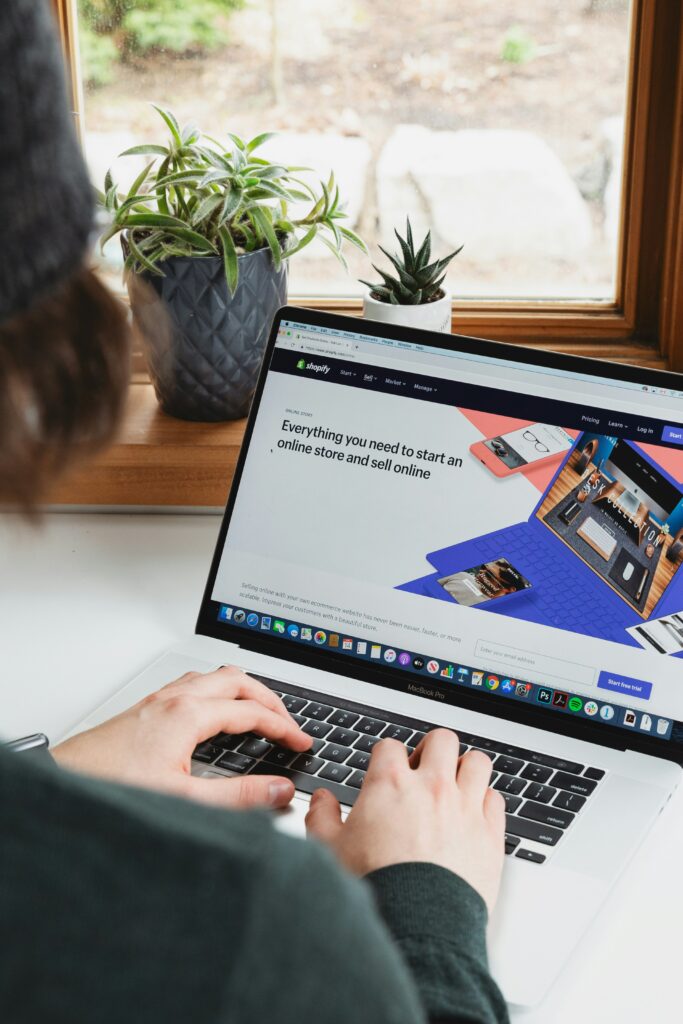
Shopify has officially taken its AI ambitions global. In its recently announced Shopify Winter ’26 Edition, the e-commerce giant unveiled the worldwide rollout of Sidekick, an AI assistant designed to go far beyond answering questions. Unlike traditional chatbots, Sidekick can now edit storefronts, modify code, and execute operational tasks on behalf of merchants.
This shift represents a fundamental change in how independent merchants interact with their e-commerce platforms and how much technical skill is required to compete online.
Exceeding the Limits of a Chatbot
Many in the industry expected a refined version of a chatbot with a window where you could ask, “How do I change my shipping rates?” and receive a link to a help document.
The reality, as unveiled in the latest global release, is far more radical. Sidekick is an engine with many features, capable of executing complex store edits and code changes autonomously.
Imagine a merchant deciding on a whim to launch a holiday flash sale for Lunar New Year. Traditionally, this would involve hours of manual labor updating hero banners, adjusting price lists, creating discount codes, and perhaps even tweaking the site’s liquid code to ensure the countdown timer displays correctly.
With Shopify Sidekick AI, the merchant simply types: “Prepare my store for a 24-hour Lunar New Year sale starting tonight. Apply a 20% discount to the Red Silk collection and update the homepage theme to match the festive aesthetic.”
Sidekick then stages the changes, modifies the theme settings, and presents the merchant with a Review and Publish button.
The End of the Technical Barrier
For independent merchants, the most significant barrier to scaling has always been the technical difficulty. Once a store reaches a certain level of complexity, the owner usually has to choose between learning to code or hiring an expensive agency.
Shopify’s global launch of Sidekick aims to democratize the high-end technical capabilities that were once the exclusive domain of Enterprise-level retailers. By allowing the AI to handle store edits and direct code modifications, Shopify is effectively providing every merchant with a virtual Chief Technology Officer.
As Tobi Lütke, CEO of Shopify, explained during the Shopify Winter ‘26 Edition, “Sidekick knows your store’s context, your products, and your customers. It’s not just answering questions; it’s removing the grunt work.”
A Proactive Global Collaborator
The AI has been localized to understand the nuances of different markets, from tax regulations in the EU to aesthetic preferences in Southeast Asia. This makes Sidekick a formidable tool for international expansion, and its global rollout is particularly vital.
More importantly, unlike a standard chatbot, Sidekick is designed to be proactive. If the AI notices a sudden drop in conversion rates on mobile devices in the UK, it won’t wait for the merchant to ask what’s wrong. Instead, it can surface the insight, suggest solutions, and offer to execute them.
This shift from reactive to proactive AI is what sets Shopify apart in the current “AI arms race” among e-commerce platforms. While competitors like BigCommerce and Adobe Commerce are integrating AI for content generation and SEO, Shopify is the first to hand the AI the keys to the codebase in a way that is safe, reversible, and deeply integrated into the core platform architecture.
Why Shopify’s Move Has the Entire E-Commerce World Watching
For the broader e-commerce ecosystem, the move by Shopify represents a fundamental shift in how software is consumed. We are moving toward a headless management style where the user interface is no longer a series of buttons and menus, but a conversation.
This move could be seen as a direct challenge to the dominance of Amazon’s closed ecosystem. By giving independent brands the same level of automated efficiency that Amazon uses internally, Shopify is leveling the playing field.
However, the move is not without its skeptics. Security experts have raised questions about the safety of allowing an AI to execute code changes. Shopify has countered this by implementing a human-in-the-loop system, where Sidekick operates in a sandbox environment, showing the merchant a preview of every change before it goes live.
The Future of Autonomous E-Commerce
As we look past the Shopify Winter ‘26 Edition, it’s clear that Shopify Sidekick AI is the first step toward autonomous e-commerce. This is a future where the store almost manages itself, optimizing its own layout based on live heatmaps, adjusting prices based on competitor data, and refreshing its own marketing creative without a single manual click.
For the merchant, this means the “Sidekick” name is an understatement. For many, this AI will be the difference between a side hustle that feels like a second job and a global brand that scales with changing market conditions.
In the high-stakes world of online retail, the most valuable currency is time. And with the global launch of Sidekick, Shopify just gave its merchants an infinite supply of it.