
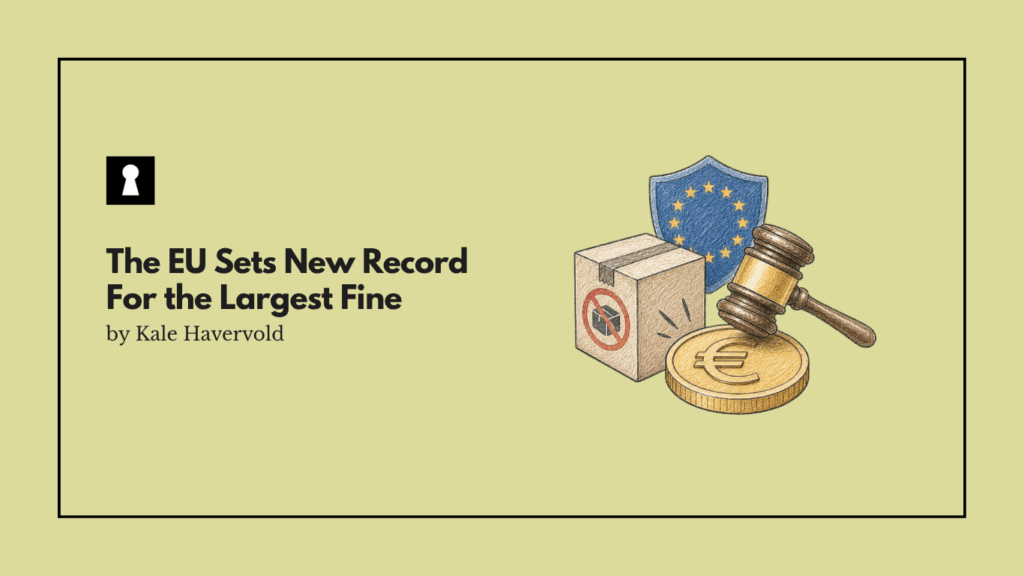
AliExpress, one of the largest names in Chinese ecommerce and retail, has been hit with a record-breaking fine by the EU under its Digital Services Act for failing to stop the sale of illegal goods on the platform.
There have been several similar, albeit smaller, fines on Chinese ecommerce companies for similar things, and this move shows the EU means business when it comes to curbing the import of illegal, dangerous, and counterfeit goods with huge financial penalties.
The EU Imposes a Record Fine on AliExpress
Showing that it’s serious about holding platforms accountable, the EU just imposed a massive €550 million fine on AliExpress, one of the largest and most recognizable online retail marketplaces in the world.
The marketplace was fined by the EU because it allowed the sale of illegal products through the platform, such as fake and counterfeit clothing and unsafe toys. Specifically, the EU has said that AliExpress fell short of its legal obligations to assess the risk of illegal or fake items on the platform.
Speaking about the decision, EU tech chief Henna Virkkunen said that “The spread of counterfeit clothing, unsafe toys, dangerous cosmetics and other illegal and harmful products is not an unavoidable cost of shopping online – it is a failure by AliExpress to comply with its obligations,“.
The decision comes after a two-year investigation which found that AliExpress’s detection systems didn’t work properly, as many illegal items weren’t flagged, and even some of those that were identified as illegal stayed on the site for weeks. Also, the European Commission found that the company didn’t enforce proper penalties on those selling illegal items.
The EU also noted that the compliance checks were easy to get around. In response to this news, AliExpress said that it would appeal the fine, and argued that it was disproportionate.
Under the EU ruling, AliExpress will have to pay the fine by October 20th, and also provide a plan on or by the same date that outlines the action it’ll take to address these breaches.
The Fine Could Have Been Larger
This €550 million fine on AliExpress is the largest ever under the EU’s Digital Services Act, which holds platforms accountable and requires large tech companies to work harder to fight back against illegal and harmful content.
However, it’s not the largest that the EU could’ve imposed. According to the rules of the act, fines of up to 6% of a company’s revenue are allowed. Because the revenue of AliExpress’s parent company, Alibaba, is upwards of €100 billion, the fine could’ve been much larger.
As a result, we could see even higher fines going forward if the EU continues to see companies failing to fulfill their obligations.
The Latest in a Long Line of Fines and Penalties
While this is the largest and most recent EU fine imposed on large Chinese companies that ship their products globally, it’s certainly not the first. Companies like Temu, Shein, and others have been in the headlines frequently over the last year as a result of fines being imposed on them.
For example, Temu was recently fined €200 million for letting illegal items and unsafe products be sold on the platform. In addition to fines stemming from illegal and unsafe goods, many of these platforms have also been fined for a variety of other things.
Just over a month ago, Shein was fined €22.5 million by France for issues relating to returns, order confirmations, and product information. Around a year ago, France hit Shein with a €40 million fine for deceptive business practices, such as misleading discounts.
These penalties are also coming from outside the EU, as Alibaba recently settled with the U.S. government for $600 million after it was accused of sellers on the platform importing illegal goods into the USA.
Our Take
Things May Change For Sellers as Platform Tighten Up Compliance
These escalating fines highlight that the EU is likely fed up with companies and platforms not doing enough to curb the import of illegal and harmful items into the region. It shows the EU isn’t afraid to hit companies with massive fines, which may lead to these companies tightening their compliance going forward to avoid being hit with one of these large penalties.
This will certainly have an impact on merchants selling on these platforms. Sellers need to be prepared for stricter compliance rules, potentially more reviews, lower tolerance for questionable items, and other regulations that platforms may put in place to show they’re going above and beyond to meet their obligations.
This will likely lead to fewer free-for-all marketplaces, stricter platform vetting, and possibly more bans and/or fewer warnings. As a result, sellers need to pay extra close attention to ensure they’re operating within the guidelines of the platform’s rules and the laws of the countries and regions they’re shipping to.