After a dispute between Alibaba and the U.S. Government about allegations that merchants on the platform sold and imported illegal goods into the USA, Alibaba has agreed to pay a massive settlement of multiple hundreds of millions of dollars.
The violations were found through a large investigation featuring many law enforcement agencies, and the massive settlement shows that the U.S. is serious about making sure companies operating in the country follow the rules.
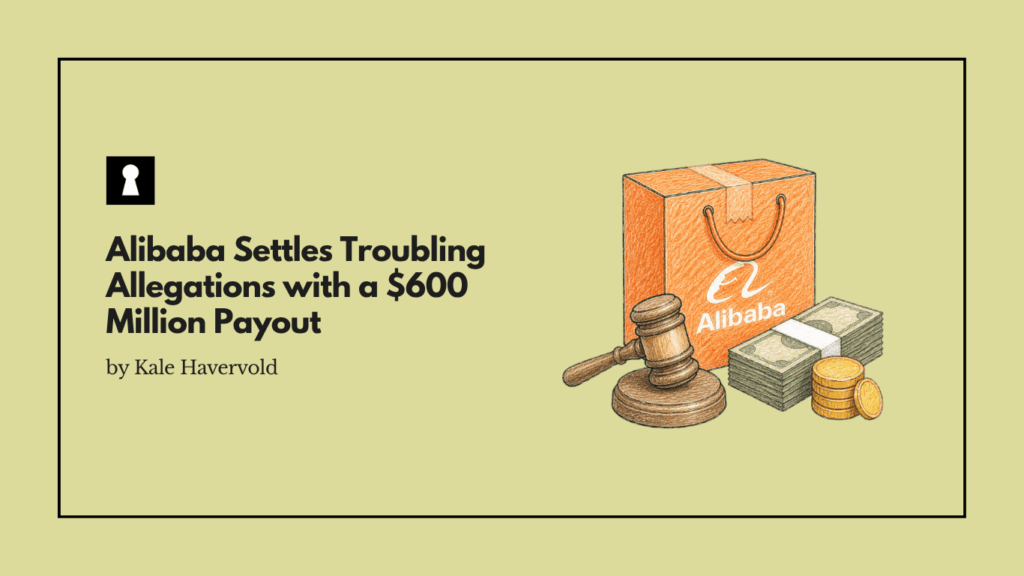
Alibaba Set to Pay $600 Million to Settle Allegations
Alibaba, a Chinese tech giant and the operator of major ecommerce platforms like Alibaba.com and AliExpress.com, has agreed to pay $600 million to settle allegations that sellers on its platform sold illegal goods and had them imported into the USA.
Specifically, the U.S. alleges that illegal pharmaceuticals, controlled substances, regulated chemicals, and pill-making equipment were all imported into the country. The government also alleges that Alibaba’s U.S.-based payment processor, AUS Merchant Services, broke the law by not preventing merchants from selling these illegal products through Alibaba’s platforms.
While this is the latest example of an ecommerce giant being forced to pay millions of dollars for violations, it’s far from the first. For example, France has recently fined Shein to the tune of $26 million for multiple infractions, such as problems related to returns, order confirmations, and product information.
In addition to fines and settlements, many Chinese platforms have also been summoned by the Beijing Municipal Administration for Market Regulation (BAMR) for talks about false and misleading advertising.
The Investigation Into Alibaba
The investigation into Alibaba included law enforcement officers from across a variety of agencies, including the FDA, FDIC, and others, conducting over 40 undercover purchases of pharmaceuticals and equipment that were illegal to import in the USA.
According to an agreement with the U.S. Justice Department, Alibaba acknowledged that between the start of 2016 and the end of 2024, it failed to stop around 80,000 sales involving unlawful imports that violated federal laws in the USA. This is a huge number, and likely beyond the scope and scale that many people had in mind.
Alibaba has also agreed to bring stricter compliance surrounding the sale of products in the USA, as well. As a result, this should help to better prevent merchants on the platform from engaging in illegal sales and activities going forward.
Speaking about the settlement, the Chief of IRS Criminal Investigation, Jarod Koopman, said that the outcome “underscores IRS Criminal Investigation’s commitment to following the money and ensuring that companies operating in the United States comply fully with federal law.”
In addition to many unlawful imports entering the USA, France has also experienced something similar, as many of the items being imported into the country don’t meet EU rules.
Alibaba Employees Warned the Company
On top of the official investigation by the U.S. government, news releases state that Alibaba employees themselves raised concerns that the company’s compliance controls weren’t adequate, and failed to stop the sales of these illegal goods. If only Alibaba had listened to these concerns, it might have saved them millions.
Not only that, but some merchants even used Alibaba’s own messaging service to push buyers to third-party messaging platforms to facilitate these illegal sales and agreements. Alibaba should have been able to catch this taking place and nipped the problem in the bud before it grew to the massive scale that it eventually did.
Our Take
Platforms Now Being Held Liable for Sellers, Which May Change Things for Merchants
This news and massive settlement are further evidence that large ecommerce platforms are increasingly being held liable for the actions that merchants take on their platforms. While this obviously has a huge impact on the platforms, it also matters to companies that sell on them.
For example, many platforms may overhaul their compliance standards to avoid negative consequences, and this could potentially lead to stricter listing reviews and unforgiving suspensions for merchants found violating rules.
While there’s no guarantee this happens, merchants need to ensure they’re always staying current on the rules of the platforms they sell on, so they don’t put themselves and their companies at risk.