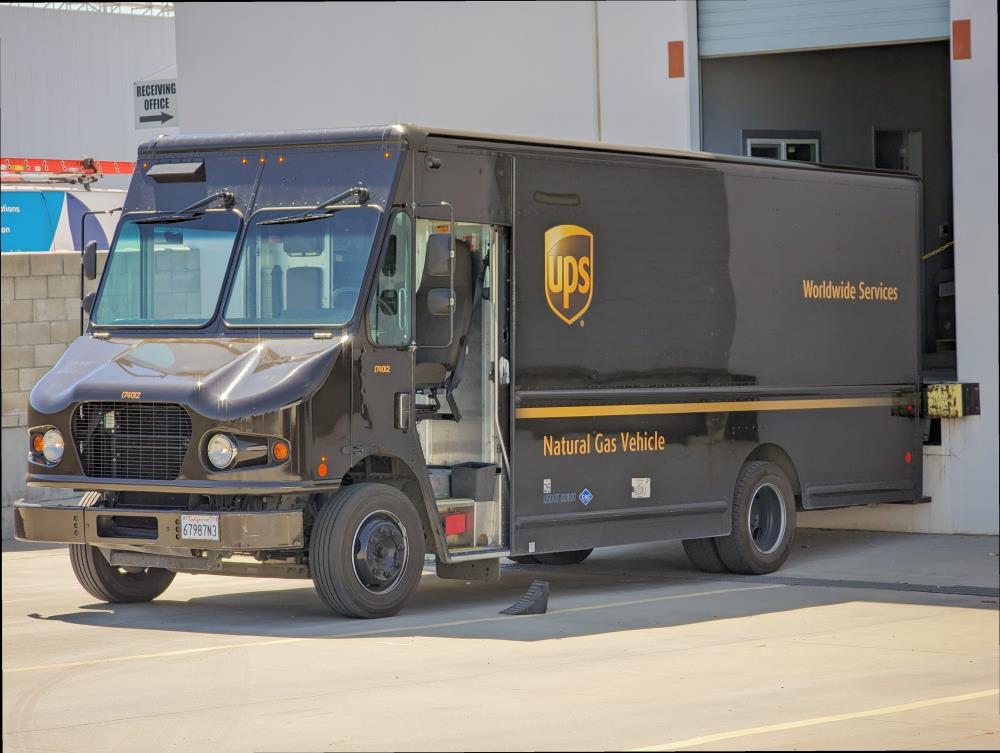
UPS recently announced that the package delivery company is rolling out radio frequency identification (RFID) package sensing across its network in the USA. This aims to bring better reliability and visibility to customers, while also simplifying and streamlining the shipping process at the same time.
UPS Introducing RFID Package Sensing
In a press release, UPS revealed that the company is rolling out RFID package sensing across the US network. For those unfamiliar, RFID is a type of technology that uses radio waves to identify and track items with tags on them, by sending data back and forth between these tags and a reader.
UPS is outfitting all UPS package delivery vehicles in the USA with the technology, and also using it at the company’s delivery facilities across the country, and on each package being shipped through the more than 5,500 The UPS Store locations, including customer return shipments.
This move makes it the first major logistics provider to broadly roll out the technology, and shows that UPS is committed to RFID, which is a technology the company has already invested more than $100 million in to develop and implement.
Benefits of the Change
There are several benefits that UPS believes this change will provide to its customers. First, the change should simplify the delivery process as a whole. Traditionally, packages need to be manually scanned numerous times throughout the shipping process to track where it’s been.
But after the change, the RFID tags on a package will automatically share data with a reader or sensor as the package moves through different locations and vehicles, all without anyone needing to manually scan the item.
The change also offers better visibility and transparency for UPS customers, as packages are sensed as they move throughout the network, so you never need to worry about items getting lost or someone forgetting to scan them as they go from place to place.
This RFID scanning is also able to confirm that your packages have been picked up and are in UPS’s possession, eliminating the worry that they never reached UPS in the first place.
Also, with more and better data, UPS can respond faster when conditions change due to inclement weather or other events that may interrupt or delay deliveries.
Customers also get to enjoy these meaningful benefits all without having to learn or adjust to a new system, as UPS handles all the heavy lifting and complexity behind the scenes.
While the technology is just rolling out, I expect this to be a popular change that simplifies the shipping process and brings improved simplicity, reliability, and visibility as a package travels throughout the network.
Of course, if there are issues with the rollout or the technology itself, such as it working inconsistently or certain packages not scanning properly, it may not be as well-received. However, RFID is a technology that’s been used for tracking and identification for years, so I expect it to work well and give companies better insights about the packages they ship.