
The story started the way many platform scandals now start: not with an audit, not with a regulator, but with people on social media asking, “Wait, what am I looking at?”
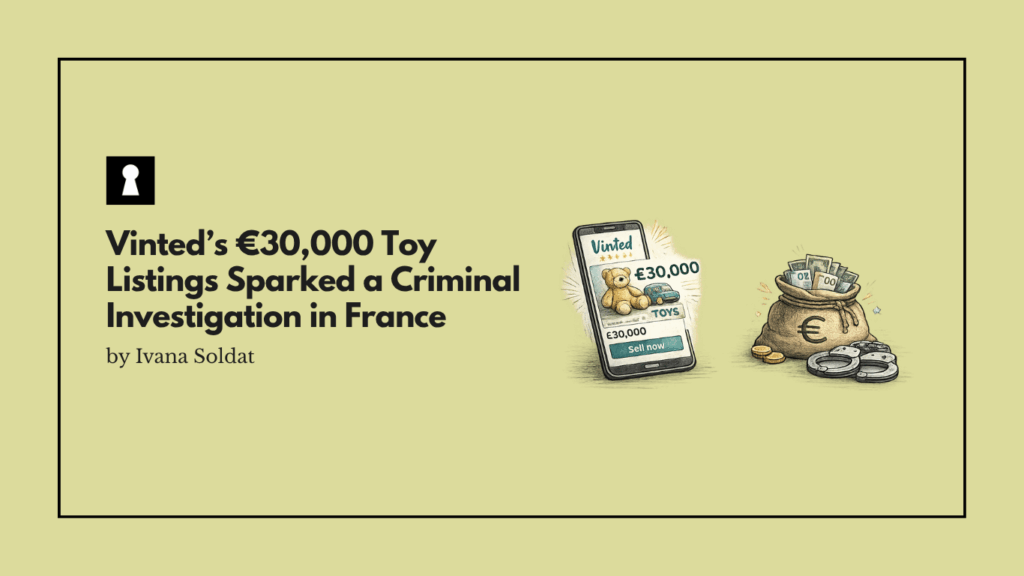
Users began sharing screenshots of Vinted listings that appeared to show toys, plushies and children’s items listed at absurd prices, with some reportedly reaching more than €30,000. On any normal secondhand marketplace, that would already be strange enough to raise eyebrows.
But the listings were not just expensive. According to the posts circulating online, some descriptions included details that sounded less like product information and more like child profiles, including ages, heights and clothing sizes.
That is when the story stopped looking like marketplace weirdness and started looking like something authorities could not ignore.
France Took It Out Of The Comment Section
France’s High Commissioner for Childhood filed an official report after the listings spread online, pushing the issue beyond TikTok speculation and into the legal system.
The Nanterre prosecutor has confirmed that a preliminary investigation is now open. That does not mean the allegations are proven. It means French authorities believe the claims are serious enough to examine properly.
And that distinction matters. Viral internet panic can easily outrun facts, especially when screenshots, outrage and fear all travel faster than evidence. But when listings include bizarre prices and references to children’s personal details, “probably nothing” is not exactly a crisis strategy.
Vinted Says There Is No Evidence Of Trafficking
Vinted has pushed back against the idea that the viral listings prove children were being sold through the platform.
The company says it reviewed the content being shared online and did not find credible evidence linking the listings to child trafficking. It has also suggested that some suspicious posts may have been fake or deliberately created to fuel panic.
That may turn out to be true. But for a marketplace, the damage does not only come from what investigators eventually prove. It also comes from what users believe they saw before the platform explained itself.
Once TikTok becomes the unofficial moderation team, the platform has already lost control of the story.
Marketplace Trust Is The Real Product
This is not just a Vinted problem. It is a warning shot for every marketplace that relies on user-generated listings, automated moderation and public trust.
Secondhand platforms are messy by design. People upload bad photos. They write odd descriptions. They price emotionally. They list things they barely know how to describe. That chaos is part of the charm, and part of the business model.
But the same messiness also creates blind spots. A weird listing can be a joke, a scam, a fake panic post or something genuinely dangerous. The platform has to know the difference quickly, because the internet will not wait for an internal review.
For ecommerce founders, safety is no longer a quiet backend function. It is part of the customer experience.
Our Take
If TikTok Has To Do The Moderation, The Marketplace Has Already Lost
The scariest thing about this story is not only the €30,000 toys or the bizarre descriptions. It is the trust gap they exposed. Vinted may be right that there is no trafficking evidence behind the viral posts, but users are now asking a much bigger question: how did listings that looked this disturbing get enough oxygen to go viral in the first place?
Marketplaces love to say they are just neutral platforms, but that excuse dies the moment users start wondering whether the platform is safer than the comment section investigating it.