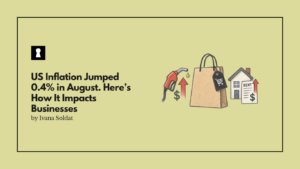

August’s CPI reading is not alarming in isolation. A 0.4 percent monthly increase, driven primarily by gasoline, is within the range of normal seasonal variation. Annual inflation at 3.4 percent is well below the 2022 peak. The Federal Reserve is not in crisis mode. Financial markets absorbed the release without significant disruption.
For ecommerce brands planning Q4, the CPI data matters not because it signals a macro emergency but because it describes the specific financial pressure on the consumer who will be shopping Black Friday, Cyber Monday, and the December holiday window. That consumer is not abstractly cautious. They are paying specific prices that did not exist a year ago, and those prices are eating into the budget they bring to discretionary shopping.
The Numbers That Matter for Q4 Planning
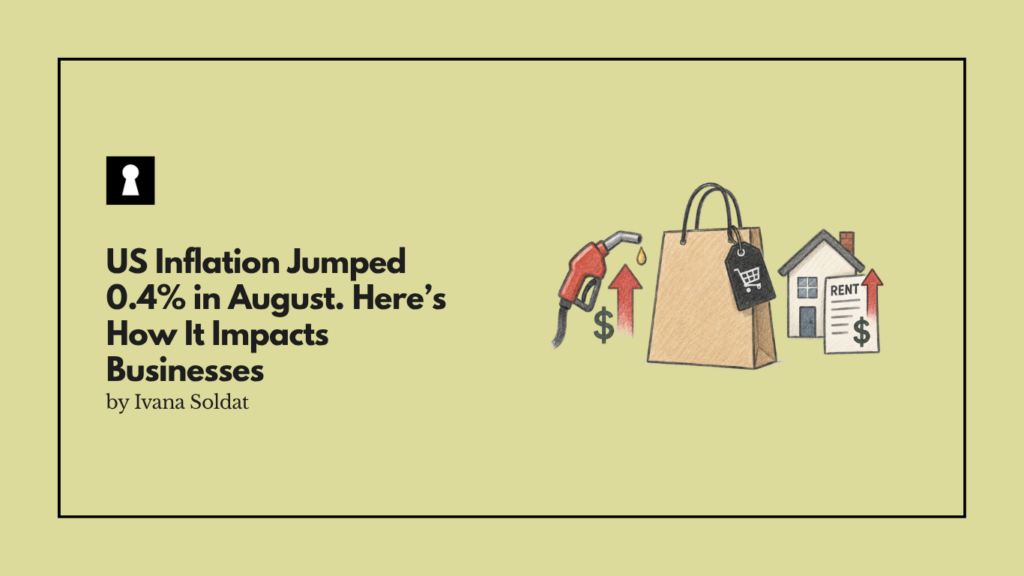
Gasoline is up 27.4 percent over the last year and rose 3.9 percent in August alone. Walmart’s CFO called out $4 gasoline specifically on the Q2 earnings call as a psychological driver of consumer spending restraint. The August CPI confirms that gasoline pressure did not ease heading into the holiday season. It increased.
Shelter is up 3.0 percent over the year and rose 0.3 percent in August. A consumer whose rent is 3 percent higher than it was a year ago has 3 percent less purchasing power for every other category of spending, including holiday gifts.
Food away from home is up 3.4 percent over the year. Restaurant prices rising at the same rate as overall inflation means the consumer is not finding relief from food cost pressure by cooking at home. And if they are cooking at home, the food-at-home index is up 2.2 percent anyway.
For ecommerce categories specifically: apparel is up 3.6 percent year over year. Communication rose on the month. Used cars and trucks are up 0.4 percent in August. Medical care commodities are down 2.7 percent over the year, providing some consumer relief. Motor vehicle insurance fell 0.8 percent in August after falling in July too.
What This Means for Black Friday and Cyber Monday Planning
The consumer walking into the holiday shopping season is paying 27.4 percent more for gasoline than a year ago, 3.0 percent more for shelter, 3.4 percent more when they eat out, and 3.6 percent more for apparel. These are weekly and monthly costs that have been compressing discretionary budgets throughout 2026.
The NIQ barbell market report we covered yesterday quantified the structural result: the $1.1 trillion US FMCG market is splitting, with premium and value winning while the middle loses share. The CPI data explains the mechanism driving that split.
A consumer under this kind of cost pressure does not stop spending on holiday gifts. But they become more deliberate about which gifts justify the price, more attentive to whether a discount is genuinely good value or just a sale framing, and more willing to choose a lower-priced alternative when the premium is not clearly justified.
The implication for Black Friday promotion strategy is not “make the discount bigger.” A consumer who is already skeptical of value propositions will not be moved by a 30 percent discount on a product whose value proposition they cannot see. What moves this consumer is a clear and specific answer to the question: why is this product worth this price, and what am I getting for the money that I cannot get elsewhere at a lower price?
The Categories Where Q4 Promotions Will Work and Where They Will Not
Categories where Q4 promotions will work as planned: beauty and personal care, where the lipstick effect is documented in the Q2 retail earnings data. Communication devices, where consumer demand for new technology remains relatively inelastic. Lower-price gift categories, where the deal-seeking consumer Best Buy’s CEO described as “resilient but focused on deals” will engage when the value proposition is clear.
Categories where a simple discount is not enough: home improvement and big-ticket home goods, where Lowe’s and Home Depot flagged cautious consumers across Q2. Apparel mid-range, where the barbell dynamic is squeezing out anything not distinctly premium or distinctly value. Any category where the value proposition depends on aspirational rather than functional justification.
The brands in the second group that try to solve the problem with a larger percentage discount are going to find that the discount alone does not overcome the consumer’s fundamental question about whether the product earns its price.
The Energy Price That Changes the Shopping Psychology
Gasoline up 27.4 percent annually with a 3.9 percent jump in August alone is the number that deserves the most attention for Q4 planning.
Gasoline is the expense that most immediately and viscerally communicates to consumers that their money is not going as far as it used to. It is paid in cash, at high visibility, multiple times per week. When the price at the pump jumps, consumers notice in a way that they do not notice the incremental 0.3 percent monthly increase in shelter costs.
A consumer who is rationally able to afford holiday gifts but who psychologically registers that every fill-up costs more than it did a year ago will be more conservative in their holiday spending than their balance sheet alone would predict.
Black Friday promotions designed for a psychologically comfortable consumer are different from promotions designed for a psychologically pressured one. The former responds to aspiration and exclusivity. The latter responds to specificity: this is the exact product you need, this is why it costs what it costs, this is what you save by buying now rather than later.
Our Take
The August Inflation Number Is Not a Crisis. It Is a Briefing on Your Q4 Customer.
The August CPI release does not change the macro picture materially. What the data does is describe the specific financial environment of the consumer who will be spending on holiday gifts over the next three months.
That consumer is paying 27 percent more for gasoline than a year ago, 3 percent more for housing, and 3.4 percent more for restaurant meals. Their discretionary budget is not zero, but it is smaller and they are more deliberate about what they spend it on.
The Black Friday promotion that works in that environment is not the one with the biggest discount sticker. It is the one that most clearly answers the question every value-conscious consumer is asking: does this product actually earn its price, and am I genuinely better off buying it now than waiting or buying something else?