
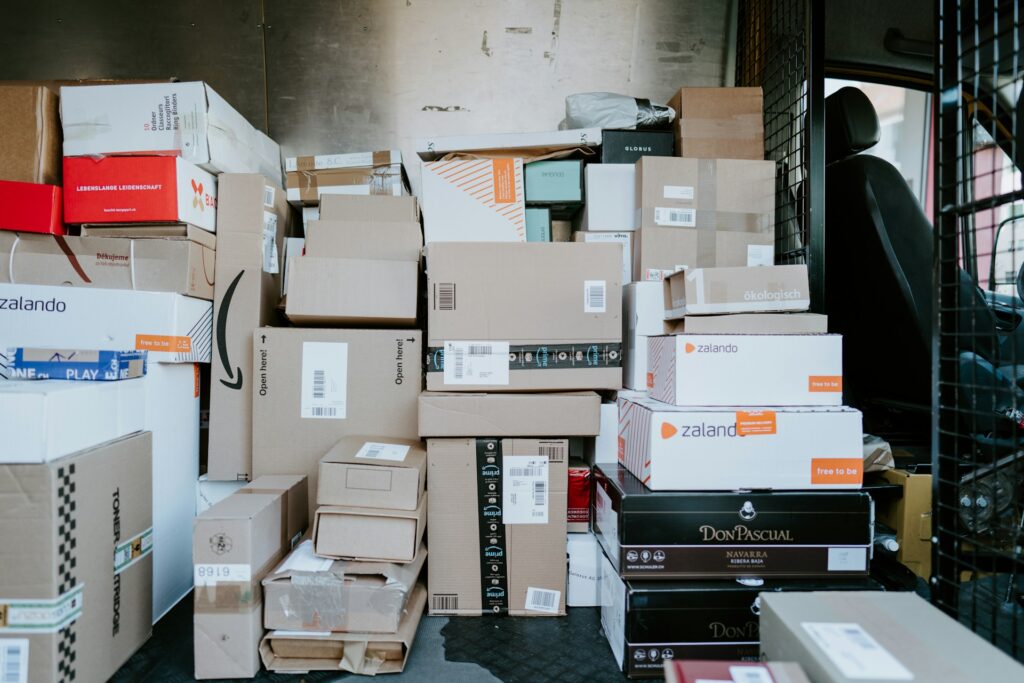
The French consumer protection authority announced that most of the products coming into the country from foreign ecommerce platforms don’t comply with EU standards. Not only that, but many of them are outright dangerous for consumers to use.
Europe is cracking down on these platforms, with the European Commission opening investigations into many of them, and having the power to impose large fines if needed. This news underscores the importance of abiding by local laws and regulations when shipping products internationally.
Many Items Entering France Fail to Meet EU Standards
According to a French regulator that tested hundreds of items, a large majority of products from major foreign ecommerce platforms fail to meet EU standards. The Directorate General for Competition, Consumer Affairs and Fraud Control (DGCCRF) analyzed over 600 products from seven major platforms in 2025 and found that 75% didn’t comply with EU rules.
In addition to that, 46% were actively dangerous to use, on top of not complying with the rules. For these tests, the regulator focused on high-risk categories and mentioned that the results don’t mean that all products on these platforms are problematic or non-compliant. The regulator also didn’t mention which platforms in particular these tested products came from.
Which Products Were Non-Compliant?
The DGCCRF tested a variety of products, and some of the results are terrifying for shoppers in France and the EU in general. First, all electrical appliances that were tested, like hair-care devices, didn’t comply. Not only that, but almost three-quarters of them were deemed dangerous due to being electrical and fire risks.
Jewelry, clothing, and even children’s products all showed a variety of breaches, ranging from being a choking risk to containing high levels of chemicals. These results are similar to a previous study, which found that 86% of toys sold by non-European ecommerce sellers may be harmful to children.
The regulator didn’t share the results for each platform due to ongoing investigations. But officials did admit that these results weren’t a series of isolated one-time issues or exceptions, but that the sheer amount of failures points to a structural issue.
Europe Cracking Down on Discount Ecommerce Platforms
While not every product entering Europe from international platforms is problematic, Europe has begun to crack down on discount ecommerce platforms, such as Shein and Temu.
The amount of cheap ecommerce imports coming into Europe has risen dramatically, and retailers say that these platforms have enjoyed an unfair advantage due to a customs duty waiver on the low-value parcels they ship into the EU from factories in China.
A big part of this crackdown is the EU removing the duty exemption on parcels below €150, which has the goal of improving fair competition and boosting consumer protection throughout the EU.
France has been a leader in this crackdown, and the French watchdog has said that it would share findings with the European Commission, which has the power to impose fines of up to 6% of global turnover on platforms. Also, the European Commission has opened up investigations into Shein, Temu, and AliExpress.
The Importance of Remaining Compliant When Selling Globally
If anything, this news highlights the importance of ecommerce brands complying with local safety and financial rules and regulations when selling internationally. Failure to do so may put your brand at risk of heavy fines, seized shipments, and even finding yourself in trouble with the law.
In addition to monetary and legal risks, being associated with non-compliant platforms or products may do irreparable damage to your brand and the trust that your customers have in it.
Some tips to remain compliant with local laws when selling globally include understanding the tax obligations, classifying and documenting products correctly, and ensuring the labels, ingredients, and packaging all abide by local laws. These laws are also changing frequently, so make sure to keep up with them to avoid landing yourself in trouble when selling internationally.