
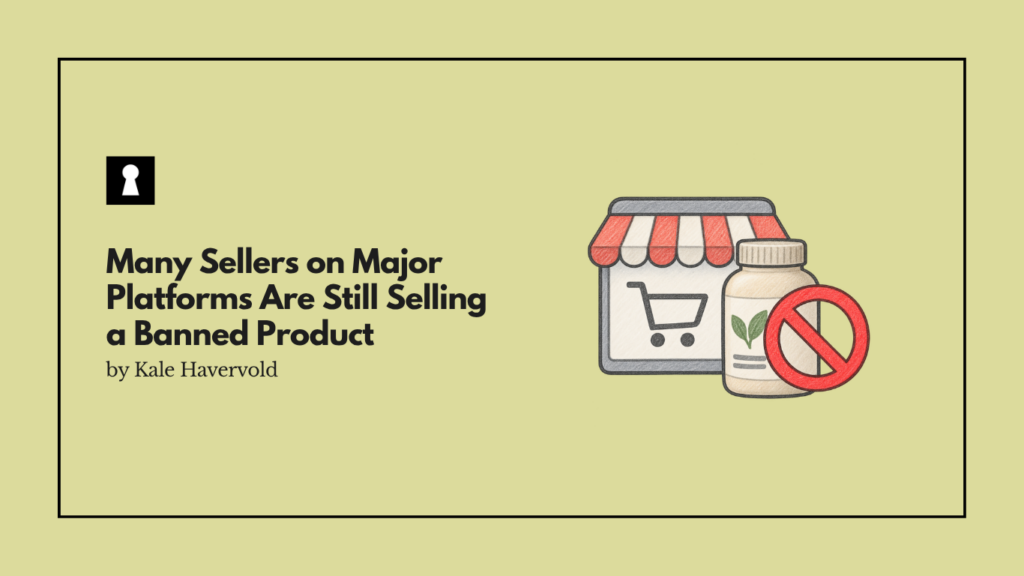
Despite a widespread ban on the manufacture, sale, and import of mercury-containing products, which have the potential to damage the nervous system, brain, and kidneys, many of these products are still offered by third-party sellers on ecommerce platforms like Temu, TikTok Shop, and Amazon.
The fight against mercury-containing products has been going on for years, and despite the potential damage they can do, customers continue to buy these items due to mercury’s effectiveness as a rapid skin lightener. While these platforms are making efforts to remove these unlawful products, that’s often easier said than done.
Many Banned Skin-Bleaching Products Still Available on Third-Party Marketplaces
While skincare products and other items containing mercury have been banned for many years, it appears that many of these items are still available on third-party marketplaces run by the likes of Amazon, TikTok Shop, and Temu. While mercury is an effective and rapid skin lightener, it’s also toxic and can cause permanent damage to your body.
More than 20 products from banned lists were found available to customers on Temu’s, Amazon’s, and TikTok Shop’s U.S. platforms, and on Amazon’s third-party marketplaces in India, Belgium, the United Arab Emirates, and France.
In addition to just mercury-containing products, France has also struggled with all types of imports recently, as it was reported that most products being imported into the country don’t meet EU rules.
When contacted, Amazon, TikTok, and Temu said they don’t allow the sale of these products and are taking steps to both remove them from their platforms and take action against the sellers responsible.
The Long Fight Against Mercury-Containing Products
Regulators and companies have long been trying to coordinate efforts to ban products with mercury, as it can damage the brain, nervous system, and kidneys.
In fact, back in 2013, more than 150 nations agreed to a treaty called the Minamata Convention, which would ban the sale, manufacturing, and importing of products containing mercury, while also protecting both human health and the environment from the dangerous effects of this toxic heavy metal. The treaty officially entered into force in 2017.
The World Health Organization says that there’s no safe exposure level for mercury, while the U.S. Food and Drug Administration (FDA) limits the total mercury in cosmetics to no more than one part per million.
According to Winston Morgan, a professor of toxicology, equity and inclusive practice at the University of East London, as well as British and U.S. regulators that have tested products, many illegal products featuring mercury contain anywhere from 10 to 100,000 parts per million.
Why Do These Products Continue to be Bought and Sold?
For buyers, the main reason these items remain popular is due to how effective they are. Not only does it lighten skin, but it does it quicker than some other available options.
When speaking about this effectiveness, Morgan said that “Mercury gives you lightening effects within days, far faster than legal agents like kojic acid or arbutin,”. In addition to this, it’s also relatively cheap and fairly easy to formulate into creams.
This affordability and ease of production are also some of the reasons why some companies continue to sell these items, even though they’re illegal. Because of this combination of easy and cheap production, as well as high demand from many consumers, the opportunity is simply too much for some sellers to ignore.
The Challenges for Ecommerce Platforms
While the ecommerce platforms where third-party sellers are offering these products are aiming to remove them and stop the sales, this isn’t easy. For example, sellers will often re-list items under misleading names, or list them with different sellers. Many don’t even include mercury as an ingredient.
Also, many of these items are sold cross-border, which can make things like regulatory oversight and enforcement much more difficult. That being said, these platforms are still making an effort.
For example, Amazon has said that “We have proactive controls in place to maintain a safe and compliant store, including robust seller verification and mandatory compliance documentation or third-party lab testing prior to product listing,”.
It also said that it’s fine-tuning these controls, looking to suspend evasive sellers, and is working with regulators and governments to update its list of banned products.
Our Take
The Presence of These Products Also Hurts Compliant Brands
While the companies selling these banned products will likely face repercussions, the impacts aren’t limited to them. For example, lawful skincare brands may now face stricter rules and have to show more paperwork and proof of safety to prove their products aren’t illegal.
This not only delays listing the items for sale, but may also lead to higher costs. Legitimate brands may also face reputational damage, as if someone learns that mercury was found in some beauty products on these platforms, they may begin to doubt the safety and legality of similar items sold there.
Finally, if sellers are able to list fast-acting mercury-infused products unlawfully and at low prices, it undercuts legitimate brands.