
Donating to a good cause is something most people can get behind. However, when a donation request comes from a retailer during checkout, many people have a change of heart. Some feel the request is intrusive, others get anxious about it, and some even feel a societal obligation to contribute or risk being judged by those around them.
All of this can negatively impact a customer’s shopping experience, and even impact their perceptions about the retailer who made the request. As a result, retailers asking their customers for donations need to ensure they’re going about it the right way, even if it’s for a great cause, or consider other alternatives instead.
Checkout Donation Requests Can Hurt the Customer Experience
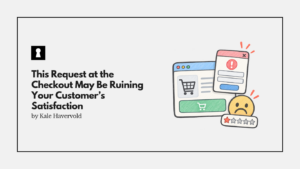
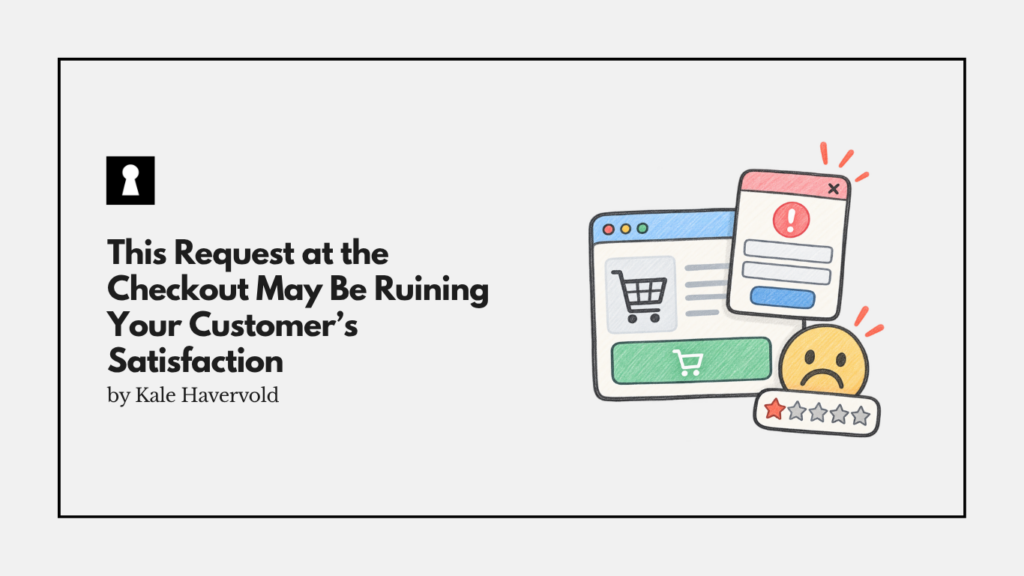
Retailers asking customers for donations is becoming more common, and while the decision certainly benefits retailers and charities, it can have a negative impact on customers. This is according to a recent study published in the Journal of Retailing and Consumer Services.
The results found that donation requests at the checkout generate anxiety among customers and feel intrusive, especially when shoppers don’t have much time to make a decision or feel pressured and/or socially obligated to contribute.
In the study, the researchers asked 329 American consumers about how these requests influence their willingness to donate, satisfaction with the checkout experience, thoughts about the retailers making the request, and their intentions to shop with them again.
Researchers found that the anxiety associated with the donation request may actually negatively impact a customer’s positive feelings about charitable giving, can reduce their donation intention, and hurt their checkout satisfaction. If a request is perceived as intrusive, customers may even begin to be more skeptical about a retailer’s motive for the request.
How Retailers Can Improve the Ask
Because of the potential negative impacts of these donation requests, retailers need to ensure they design them with customers in mind. This is especially true when customers are in a rush to complete transactions.
One of the most important things is to find ways to minimize the skepticism that many consumers have when it comes to donation requests. Retailers can do this by informing shoppers as early as possible, clearly displaying how donations are handled and where they go, making prompts low-pressure, and reducing social and time pressure.
You could also consider matching donations to show that you’re actively supporting the charity, share concrete metrics, and ensure that the donation feels like a small part of the checkout and flows with it rather than interrupting it. This is especially important, as streamlining your checkout improves the customer experience and makes people more likely to convert.
Our Take
Consider Alternatives for Outright Asking for Donations
While there are ways to improve your ask and fix this problem, some people are still going to feel uneasy about a company asking customers to donate. This is especially true during difficult economic times when the cost of living continues to rise.
If you still want to support charities and invite your customers to do the same, you have some alternatives. This includes starting a round-up program, partnering with charities to sell limited-edition products, or implementing product-specific pledges where a certain percentage of each sale of that item goes to charity.
These help you support worthy causes without outright asking for donations and putting the customer experience at risk.