
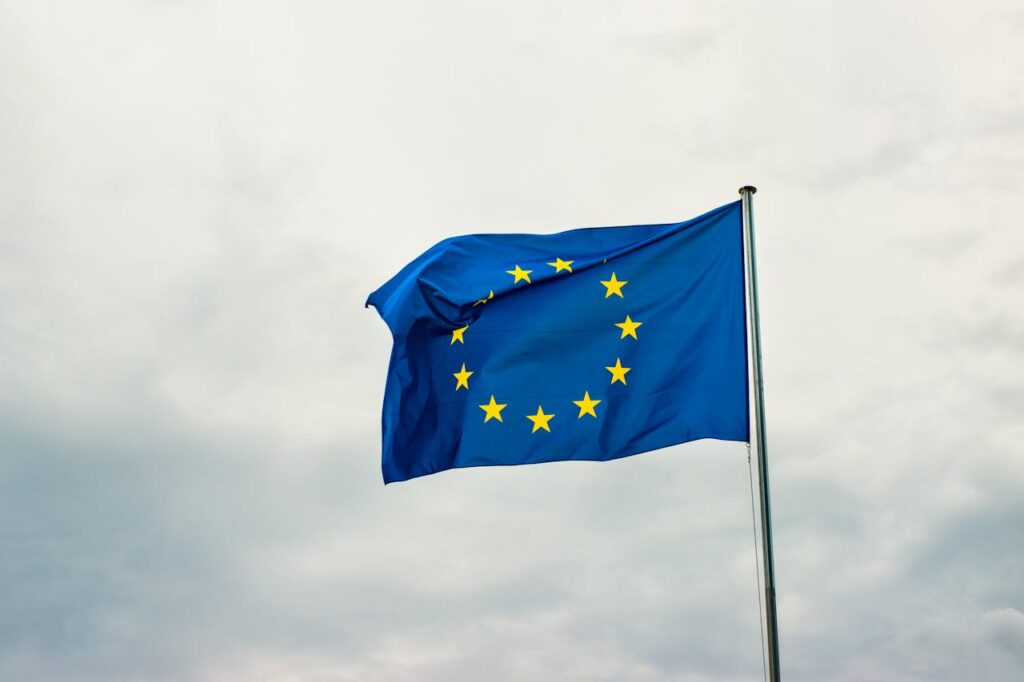
In a decisive move to curb the influx of hazardous and non-compliant products, the European Union is launching a sweeping crackdown on e-commerce giants Shein and Temu. As France pushes for aggressive action, Brussels is finalizing a regulatory overhaul that will effectively end the era of duty-free shopping for cheap online goods and hold platforms directly liable for safety violations .
The offensive comes as new data reveals a staggering surge in low-value imports. The EU received 5.8 billion parcels last year, quadruple the volume of 2022, with approximately 91% originating from China . Testing by French consumer protection authorities suggests that a shocking 75% of inspected products fail to meet European safety standards, with nearly half posing potential physical hazards to users .
The End of the €150 Loophole
In the middle of the reform is the closure of a legal loophole that has fueled the rapid expansion of these platforms. Currently, parcels valued under €150 enter the EU customs-free, a threshold established before the explosion of digital trade.
Effective July 2026, that exemption will be scrapped. Imported goods will face an estimated €3 customs duty per item. Beginning November 1, 2026, an additional €2 handling fee per order will be levied to cover enhanced screening costs.
For consumers, this represents a significant price hike. A shopper ordering a T-shirt, headphones, and accessories simultaneously could see an additional €9 to €11 added to their bill before shipping . Analysts warn that for small items like phone cases, final prices could rise by several hundred percent due to the new fee structure .
Platforms Become the Gatekeepers
Beyond the cost increase, the EU Customs Reform, provisionally agreed upon in late March, fundamentally shifts liability. Under the new rules, online platforms will be legally treated as the importers of record .
This status change is critical: if a Shein dress contains banned chemicals or a Temu toy poses a choking hazard, the platform, not the anonymous third-party seller in China, will be held responsible.
Platforms must ensure products comply with EU safety, environmental, and tax laws before they reach the consumer. Companies that systematically flout the rules face penalties of 1% to 6% of their total EU sales from the previous 12 months .
“This reform begins to turn the tide,” said Agustín Reyna, Director General of the European Consumer Organisation (BEUC). “Consumer tests have revealed toys that can fatally injure children and textiles laced with banned chemicals. This makes it harder for dangerous products to enter the EU” .
France Leads the Political Charge
The regulatory burst is driven by significant political pressure from Paris. Citing the protection of European manufacturers and consumer safety, France is urging Brussels to treat ultra-fast fashion as an environmental and economic “public nuisance” .
This sentiment is echoed by industry groups across the continent. In a recent manifesto, Spanish footwear associations declared that the business model of these platforms “is not merely a new digital commerce model, but an economic plague that is eroding the foundations of the regulated European market” .
The Digital Services Act (DSA) Hammer
The customs reform runs parallel to active enforcement of the Digital Services Act (DSA) . While the customs changes target the physical goods, the DSA targets the platform behavior.
Shein is currently under formal proceedings following its designation as a “Very Large Online Platform” (VLOP) . The Commission is investigating the platform for “addictive design” (dark patterns), lack of transparency in recommendation algorithms, and facilitating the sale of illegal products .
Similarly, Temu is under scrutiny for systemic breaches of EU product safety rules. If the DSA investigations conclude with non-compliance decisions, each company could be fined up to 6% of their global annual turnover .
“A top concern are the systemic breaches of EU laws and the high volume of non-compliant small parcels coming from non-EU online platforms,” stated an EU delegation note, signaling that a delegation of lawmakers will visit Beijing and Shanghai to address these issues directly with platforms like Alibaba and Temu .
A New AI-Powered Sieve
To manage the physical volume of goods, which currently overwhelms customs (only 8 out of every 100,000 parcels are inspected), the EU is building a centralized customs data hub powered by Artificial Intelligence .
Scheduled to go live in 2028, the AI system will analyze shipment data in real-time before goods leave Chinese ports, flagging high-risk consignments for physical inspection upon arrival. This replaces the current fragmented system where a dangerous product could slip through because one member state’s customs had no record of a ban issued by another.
Response from the East
In reaction to the looming changes, Temu has announced a strategic shift. The platform told regulators it is moving toward a direct import model, where it will take direct ownership of the goods entering Europe and strengthen quality checks before export .
However, consumer watchdogs remain skeptical. They argue that the financial incentive to move cheap goods remains high and that only painful fines or prison sentences for executives will change the calculus of the ultra-fast fashion supply chain.