
A new McKinsey survey confirms what any budget-conscious online shopper already knew: free delivery beats fast delivery, every single time.
Speed used to be the golden ticket of e-commerce. In 2022, consumers ranked it as their number-one delivery priority. By 2024, it had tumbled all the way to fifth place.
What took over the top spot? Cost. Plain and simple.
Nine Out of Ten Shoppers Will Wait
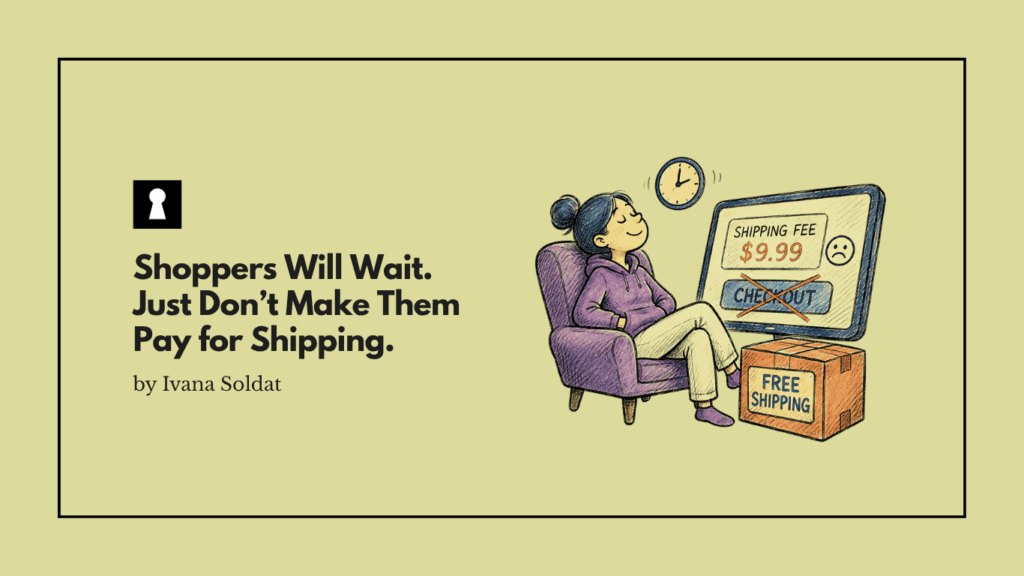
McKinsey surveyed more than 1,000 U.S. consumers and found that 90% are perfectly happy to wait two or three days for their order, as long as they are not paying for the privilege of receiving it.
The patience runs surprisingly deep across categories. Fashion shoppers are especially laid-back, with more than 80% willing to sit tight for four to seven days. Household consumables are where things get testy, because apparently nobody wants to wait a week for their laundry detergent.
Abandon Cart? Absolutely.
The flip side of all this patience is ruthlessness at checkout. More than 90% of shoppers say they are likely to bail on a purchase the moment high shipping costs appear.
That little fee tacked on at the end is not a minor inconvenience. It is a conversion killer. Retailers who thought consumers were getting used to paying for delivery may want to revisit that assumption.
Reliability Beats the Clock
Here is where it gets interesting. Consumers are not just saying they want cheap delivery. They are saying they want delivery that shows up when it says it will.
On-time reliability now ranks higher than speed in consumer priorities. A package that arrives in three days, exactly as promised, beats one that claims to arrive in two days and shows up four days later.
The Growth Party Is Over
This shift in shopping behaviour is arriving at an awkward moment for the industry. U.S. e-commerce growth is expected to settle at around 6% annually, a long way from the 18% annual growth seen between 2019 and 2023.
Meanwhile, logistics costs for fuel, utilities, and warehousing have climbed faster than inflation. Retailers are being squeezed from both ends: consumers refusing to pay for shipping, and the cost of providing that shipping going up.
Amazon Keeps Moving the Goalposts
This is where the story gets a bit rich. Amazon, the company that arguably trained consumers to expect free two-day delivery as a baseline, has been quietly raising its free shipping minimum for non-Prime members.
The threshold shifted from $25 to $35 in testing across various zip codes, nudging shoppers toward a $139 annual Prime membership. The company’s reasoning is transparent enough: Prime members saved an average of $500 on delivery fees in 2024 alone. But the move also means the retailer most responsible for conditioning shoppers to expect free shipping is now making free shipping slightly harder to reach.
McKinsey’s data suggests that gambit carries risk. Consumers are not softening on shipping costs. If anything, they are getting more stubborn about it.
What Retailers Are Being Told to Do
McKinsey’s recommendations lean into the new reality rather than fighting it. The suggestions include adding incentives to steer customers toward slower or consolidated deliveries, and reconsidering the minimum order threshold required to unlock free shipping.
The green angle is also opening up as a lever. More than 35% of consumers say they would pay an extra $1 to $2 for a sustainable shipping option. That is not nothing.
The Takeaway
The days of winning on pure speed are fading. The new battleground is trust: showing the full cost upfront, delivering within the window promised, and not springing a shipping fee on someone at the last second.
Consumers have made their terms clear. Retailers who have not been listening may find themselves watching abandoned carts pile up.