
There’s a strange thing that happens when you sell tactile products online: customers want to touch them.
Obvious, maybe. But it creates a real ecommerce problem.
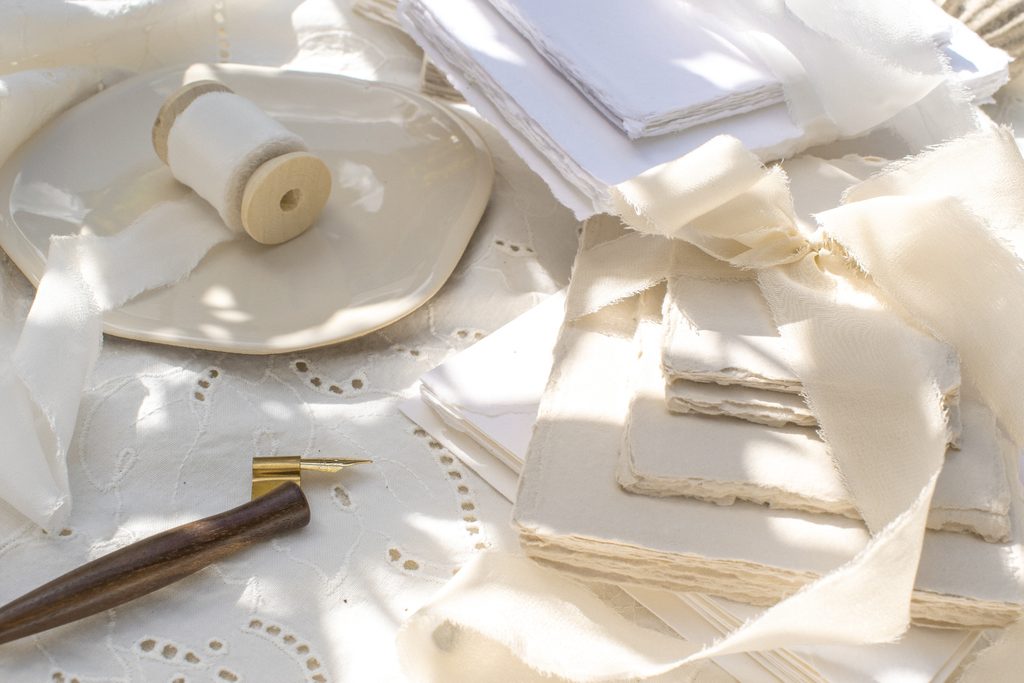
Northern Printing Co. sells handmade paper, ribbon, wax seals and letterpress stationery, products where colour, texture and feel are a huge part of the buying decision. A product photo can only do so much.
Founder Abbie told us that customers will sometimes buy a single sheet of paper just to see it in real life, even when the postage costs more than the product.
That stuck with us.
Because while ecommerce tends to obsess over removing friction, sometimes customers actually want a little friction. They want to stop, compare, touch something, and make sure they’re not about to order 100 sheets in the wrong shade of ivory.
We spoke to Abbie about what actually sells, where customers find Northern Printing Co., the difference between Etsy and Shopify, and one inventory mistake she wouldn’t make again.
First, who are you and what is Northern Printing Co.?
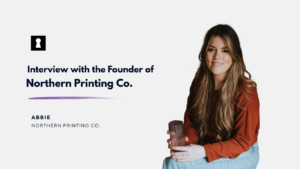
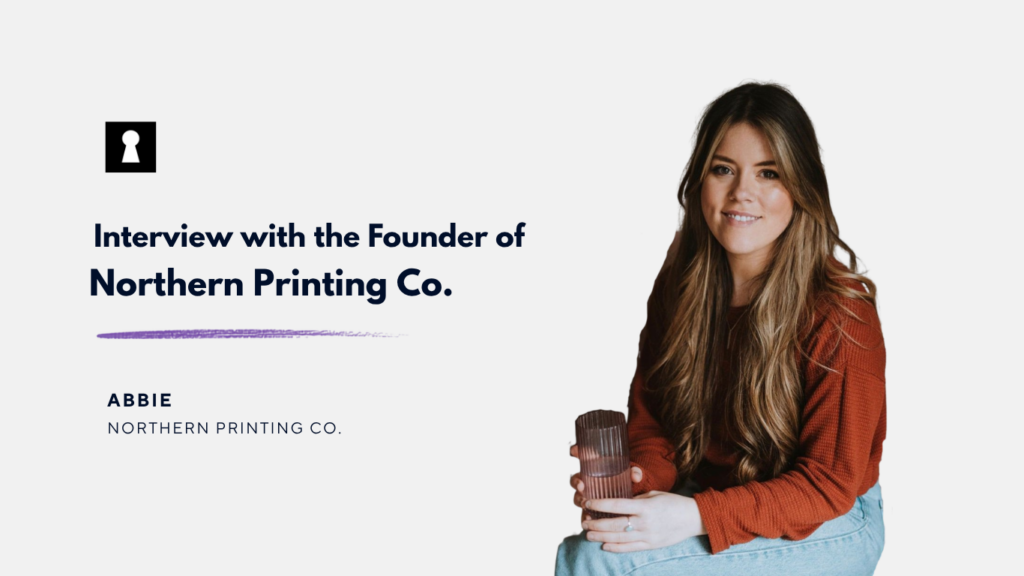
Hello, I’m Abbie and I run Northern Printing Co., a letterpress printing studio and stationery store for brides, creatives and small businesses.
We’re based in Accrington, a little town in the north of England.
You sell products that are difficult to judge through a screen. Do samples actually help people buy?
Yes, definitely.
Sample packs are great, but we also sell individual swatches and sheets in each colour.
We’re always shocked when somebody orders one sheet of paper and pays more for postage than they do for the actual paper.
But people want to see it properly before they commit.
That feels like one of those small ecommerce details that tells you quite a lot. From the outside, ordering one sheet of paper doesn’t look particularly efficient. From the customer’s point of view, though, it’s cheaper than getting an entire wedding stationery order wrong.
For products where colour and texture matter, samples aren’t really a nice extra. They’re part of the sales process.
What actually sells best, the practical stuff or the more emotional finishing touches?
Our bestseller is definitely handmade paper.
It’s normally the star product in people’s wedding invitations.
After paper, I’d say wax seals are our next bestseller.
We expected things like ribbon and personalised details to dominate, but the paper being number one makes sense. It’s the base of the whole thing. Customers might come in looking for inspiration, but there’s usually one product everything else gets built around.
Wedding customers can browse for months before buying. How do you stay in their head during that period?
We really try to stay active and visible across all of our platforms, especially Instagram and Pinterest, because that’s where people are creating their vision boards.
We also try to give customers lots of useful resources.
A lot of our customers are DIY brides, and we know the pain points that come with creating your own wedding invitations, so we try to share the knowledge we’ve picked up.
This is where “content marketing” sounds much more complicated than it needs to be.
Northern Printing Co. knows the questions customers are going to run into because they’ve watched people run into the same problems over and over again.
So they answer them.
For a business like this, that probably does more than posting another perfectly styled product shot.
Which channels actually bring people in?
Instagram is really where our business launched and we still feel like most of our customers come from there.
We also try to stay active on Pinterest, and we get a lot of good organic visits from Google Search.
There’s nothing especially clever about the answer, and that’s probably the useful bit.
Instagram worked early, so they kept using it. Pinterest makes sense because people are already collecting wedding ideas there. Google catches customers once they move from inspiration into actively looking for something.
Not every acquisition strategy needs a new channel.
Do people behave differently on Etsy compared with your own website?
Yes.
Because customers can message you so easily on Etsy, they definitely reach out before doing their own research.
That can be frustrating because quite often we’ve already provided the answers to most of the questions they’re asking.
Anyone who has sold through a marketplace will probably recognise this.
More access to customers isn’t automatically better. Sometimes it just means more customer service.
That’s one of the less glamorous parts of marketplace selling: the platform reduces friction for the buyer, but some of that friction ends up with the seller instead.
What happens when somebody picks paper, ribbon and wax colours that you think clash?
Quite honestly, over the years there have been times when we’ve offered advice without being asked because we didn’t think something would work well.
Nine times out of ten, the advice gets turned down.
But even if it isn’t what we would choose, as long as the customer likes it, that’s all we care about.
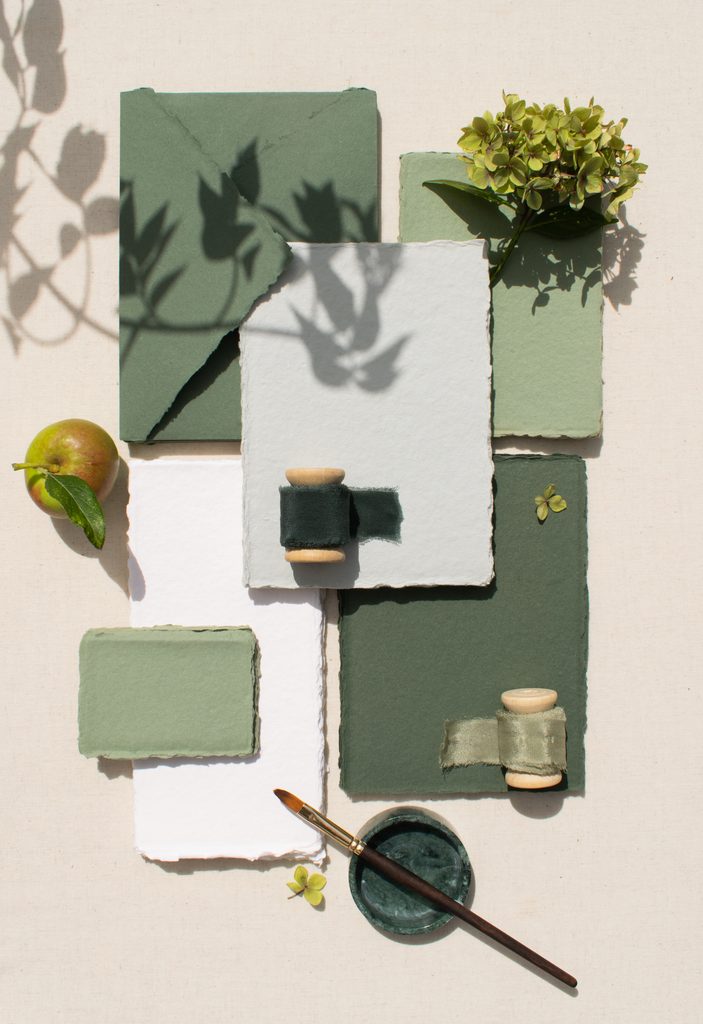
We do love it when customers ask for our advice. We’ll send photos of combinations that we think work well together, but we always recommend getting physical samples because colours on a screen don’t always come across the same.
This might be our favourite answer.
There’s a temptation, especially when you know your product inside out, to assume the customer wants your version of “right”.
Sometimes they don’t.
Expertise is useful. Taste is useful. But the person buying the wedding invitations is still the person who has to like them.
And, again, there’s a very practical ecommerce lesson underneath it: screens lie. If colour matters, get a sample into somebody’s hand.
What do people ask you most before ordering?
Mostly whether we can print onto the paper that we sell, and questions about postage times.
Which is interesting because neither question is really about the product itself.
They’re about what happens next.
Can you help me turn this into the finished thing? When will I get it?
Sometimes the biggest ecommerce questions aren’t sitting on the product page under “materials” or “dimensions”. They’re the questions around the purchase.
What has made running the business online easier?
Shopify has really helped me streamline our online sales.
They’re always bringing out apps and extra features that help me make the store look and feel more professional.
There are probably more exciting answers than “Shopify made things easier”, but boring infrastructure matters.
A lot of ecommerce founders spend too long trying to build the perfect stack when what they actually need is something that removes admin and gets out of the way.
If the platform saves you time every week, that compounds.
What mistake did you make early on that you’d tell other ecommerce founders not to repeat?
Buying too much stock just to get a cheaper base price.
Having excess stock sitting around is dead money.
Always start smaller. When you know something sells well, you can increase the quantities.
This is the bit we’d underline.
Bulk pricing is seductive.
You look at the unit cost, see how much cheaper it gets at 500 or 1,000 units, and convince yourself you’re saving money.
You’re only saving money if you sell it.
Otherwise you’ve just converted cash into boxes.
For a small ecommerce business, paying slightly more per unit while you figure out what people actually want can be a much cheaper lesson.
So, what’s next for Northern Printing Co.?
We want to keep growing our offering and make our printing services easier for customers to shop and navigate.
And that feels like the natural next problem to solve.
Northern Printing Co. already has the products people want. The harder job now is helping somebody who isn’t a stationery expert understand what to choose, what works together and what happens after they click buy.
Which, really, is the problem behind most of this interview.
Selling online isn’t just putting products on a page.
It’s replacing all the little bits of reassurance somebody would normally get if they were standing in the shop with you.