
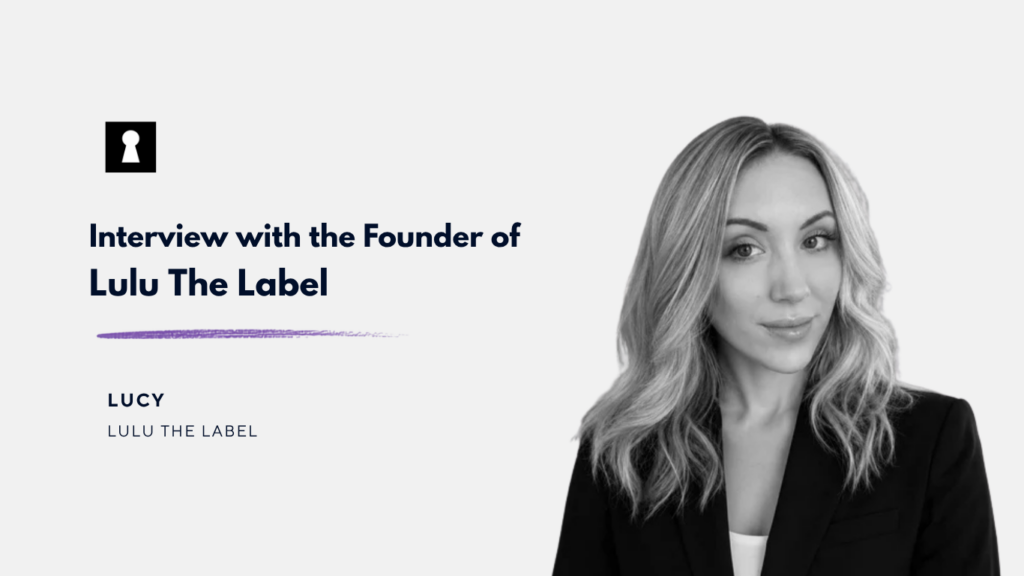
Lulu The Label started with something most fashion businesses would have thrown away.
After graduating from Middlesex University with a BA (Hons) in Fashion Design, Lucy was left with remnant fabrics from her final-year collection. Rather than discard them, she started researching ways to put the scraps to use. One experiment stood out, anddd… it was hair scrunchies.
That idea became Lulu The Label, a sustainable British accessories brand Lucy founded in 2019 and now runs between Hertfordshire and London. Today, the business sells handmade scrunchies, bridal accessories, bespoke pieces, dog bandanas and fashion items, with sustainability built into how the products are designed and made.
I spoke with Lucy about competing with mass-produced accessories, what actually sells online, why discovery remains one of the hardest parts of ecommerce, and how a handmade brand has managed to record just three returns in seven years.
Turning Fashion Scraps Into a Business
Ivana (Interviewer): Lulu The Label started in 2019. What was the original idea behind the business?
Lucy, Founder of Lulu The Label: After graduating from Middlesex University with a BA (Hons) Fashion Design degree, I felt passionate about finding a purpose for the remnant fabrics left over from my final-year collection.
I started researching “scrap-busting projects” and trialled making hair scrunchies. That’s how Lulu The Label was born.
I also combined that with my twelve years of experience working in the wedding industry, where I had been able to study how designers ran their businesses and sold made-to-order luxury designs.
Everything I design and make is created with sustainability in mind. It has to resonate with my values and give some hope for the future of fashion.
Competing With Mass-Produced Accessories
Ivana: Hair accessories are an extremely competitive ecommerce category. How do you convince someone to buy from Lulu The Label instead of choosing a cheaper, mass-produced scrunchie?
Lucy: There absolutely are many cheaper hair accessory alternatives available, but we focus on quality, craftsmanship and sustainability rather than trying to compete on price.
Every item is handmade, so we pay attention to the details, from the fabrics we responsibly source to the zero-waste pattern-cutting technique we use.
Our products are made in small batches, creating more unique collections instead of thousands of identical products. We also offer bespoke, made-to-order options.
Transparency matters too. Customers increasingly want to know who made their products and how ethical the businesses they buy from are. Our personal customer service and commitment to reducing waste help us stand out.
When somebody buys from Lulu The Label, they are supporting a sustainable business and receiving something meaningful that has been made to last.
The Simple Scrunchie Is Still the Bestseller
Ivana: You now sell everything from bridal accessories to dog bandanas. What performs best online?
Lucy: Our first design, the everyday hair scrunchie, continues to be our bestseller because it’s affordable, practical and appeals to a wide audience.
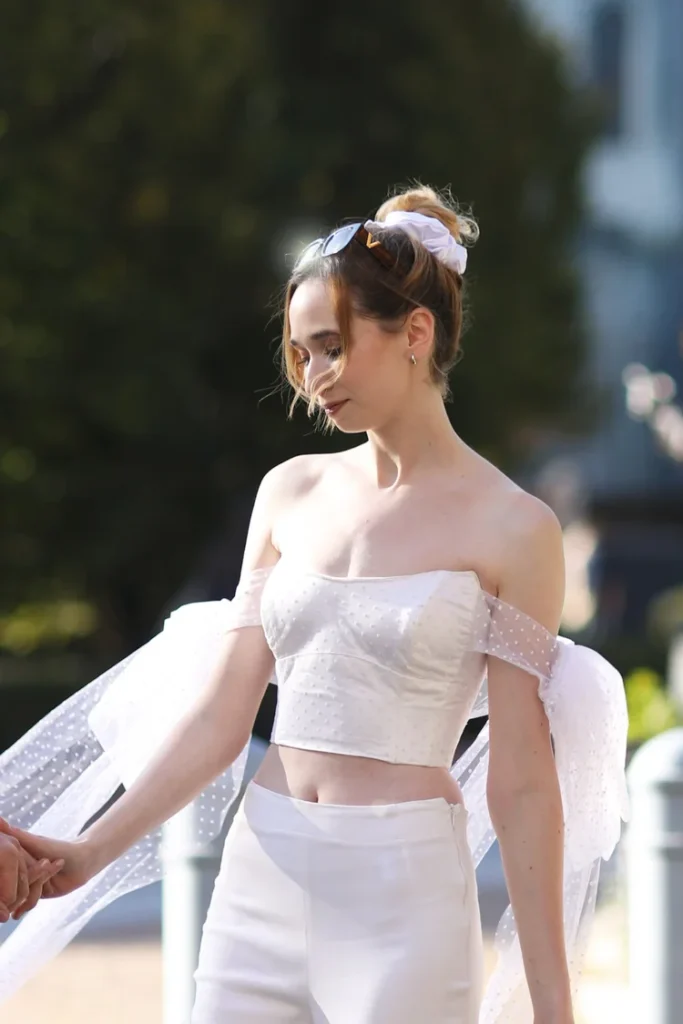
Bridal accessories have also grown significantly and have become a really exciting part of the business. Brides are looking for something unique and personal, and they appreciate handmade pieces that can become keepsakes.
One particularly special service we offer is for brides to send us off-cuts from their wedding dress after alterations. We can then turn that material into a bespoke piece such as a headband or hair bow.
Seasonal drops and dog bandanas also perform well because people are often shopping with a specific occasion in mind.
I think products perform best when they solve a need while still feeling special and thoughtfully designed.
Ivana: Have you launched anything that simply didn’t work?
Lucy: For us, it hasn’t necessarily been a particular product. It has been more about the fabrics.
Like many small fashion businesses, we’ve experimented with prints, textures and colours that didn’t perform as well as expected. Sometimes a design I personally love doesn’t resonate with customers, and that’s part of the learning process.
Rather than seeing those creations as failures, I see them as valuable market research. They help us understand what our customers are looking for and refine future collections.
One advantage of being a small business is that we can adapt quickly and respond to feedback efficiently.
Getting Customers to Buy More Than One Accessory
Ivana: A lot of your products are relatively low-priced individual items. How do you increase basket size?
Lucy: We focus on products that naturally complement one another.
Customers might buy scrunchie bundles that transition between seasons or occasions, from everyday wear and workwear to festivals or New Year’s Eve parties.
Bridal is another good example. A bride may originally contact us about a bespoke item for herself, such as a headband or veil, and then discover smaller gifting items for her bridesmaids.
Our Lulu The Label drawstring bag is also an easy add-on because it gives customers somewhere to keep their scrunchies.
Newsletter sign-up offers and Instagram Story discounts can encourage customers to add another item too.
Because accessories are relatively affordable, people are often happy to buy several pieces once they can see how well they work together.
Three Returns in Seven Years
Ivana: Trust can be difficult to build online when customers can’t physically inspect a handmade product. How important are returns policies, photography and product information?
Lucy: They’re incredibly important.
Customers can’t physically see or touch products online, so they need confidence before placing an order.
We provide clear product descriptions, accurate photography and transparent policies so customers know exactly what to expect. Because our products are handmade, quality control is also key. Every item is carefully checked before it’s sent.
For bespoke orders, we collaborate closely with the customer to bring their vision to life, and as a result those pieces have a strict no-returns policy.
Our overall return rate is something I’m incredibly proud of. In seven years of business, we’ve had only three returns.
Building trust often comes down to clear communication and delivering what you promised the buyer.
Christmas, Weddings and Selling With the Seasons
Ivana: How much does seasonality affect what people buy?
Lucy: Hugely.
Christmas is naturally our busiest gifting period, while spring and summer bring increased demand around weddings, holidays and festivals.
We keep an eye on seasonal trends across social media while also being mindful of the products and materials we already have available.
Planning ahead is essential because handmade products take time to create. We begin designing and preparing collections months in advance so we’re ready when customers start shopping.
Instagram Brings Attention. Word of Mouth Brings Something Else.
Ivana: Which marketing and acquisition channels have worked best for Lulu The Label?
Lucy: Instagram has been our main and strongest channel because it’s such a visual platform and allows us to tell the story behind the brand.
Wedding blogs and editorial features have also been incredibly valuable for reaching brides who are actively planning their weddings.
We’re very fortunate to have loyal customers who have followed us from the beginning and continued using our made-to-last products over the years.
Word of mouth and repeat customers are probably the most rewarding channels because they show that people genuinely love the products.
Collaborations with designers, photographers and influencers have also helped introduce Lulu The Label to new audiences and build credibility.
Ivana: You’ve also been featured by wedding and lifestyle publications such as Love My Dress. How valuable is editorial coverage for a small brand?
Lucy: Editorial features are hugely valuable because they provide independent credibility.
When a respected publication chooses to feature your business, story and products, it gives potential customers more confidence in your brand.
Love My Dress has been incredibly important to us because they believed in the business from the beginning and have supported us with thoughtful blog posts over the years.
For a small business without a huge marketing budget, those features can also introduce you to audiences who might never have discovered you otherwise.
And their impact can last beyond the initial publication because the articles continue to appear in online searches.
Discovery Is Harder Than Getting the Sale
Ivana: What has been harder: getting someone to discover Lulu The Label or convincing them to make their first purchase?
Lucy: Discovery is probably the biggest challenge.
There are so many brands competing for attention online that getting your products in front of the right audience takes time and consistency. Collaborations and networking are key.
Once people discover Lulu The Label and understand our values, craftsmanship and quality, they’re often much more confident about purchasing.
After that first purchase, they tend to become loyal customers over time and recommend us to their wider circle.
Building awareness is definitely one of the biggest challenges for a small independent brand.
The Product Is Only a Small Part of Running the Business
Ivana: What do people starting handmade fashion or accessories brands tend to underestimate?
Lucy: How much running a business involves beyond actually making the products.
Marketing, photography, customer service, packaging, website management and inventory management all take a huge amount of time.
My biggest advice would be to focus on building a strong brand instead of trying to compete purely on price. Customers remember businesses that tell a story and are making an impact.
I’d also encourage new founders to just start. If you have an idea, start small and scale.
Listen to feedback along the way, stay authentic and be prepared to make mistakes. It takes time, but eventually you start seeing that hard work pay off.
What’s Next for Lulu The Label
Ivana: So, what comes next?
Lucy: One of our biggest focuses is growing the bridal collection. We’ve seen increasing demand from brides looking for beautiful, handcrafted keepsake accessories with a personal touch.
We’re also expanding our bespoke offering so customers can create something truly unique for weddings and other special occasions.
Alongside that, we’re working on growing the brand internationally, developing more wholesale partnerships and collaborating with like-minded businesses that share our values around quality and sustainability.
Most importantly, we want to continue proving that fashion and accessories can be responsibly made and built to last.
No more throwaway fashion. I truly believe that can’t be the future for our planet or generations to come.
As we grow, handmade craftsmanship, thoughtful design and sustainability will always remain at the heart of Lulu The Label.
Conclusion
Lulu The Label is a good reminder that small ecommerce brands do not necessarily have to beat mass-produced competitors at their own game.
Lucy isn’t trying to manufacture more scrunchies at a lower price. The business is competing on small-batch production, handmade craftsmanship, personalisation and a clear reason for making the product in the first place.
The commercial lessons are just as interesting.
Its original, relatively simple product remains the bestseller. Bridal has created a higher-emotion, more personalised part of the business. Complementary products help increase basket size. Seasonal collections are planned months in advance. Instagram generates discovery, while editorial coverage, repeat customers and word of mouth reinforce trust.
And perhaps the clearest sign that this combination is working is the number Lucy mentioned almost in passing: three returns in seven years.
For an online business selling products customers cannot touch before purchasing, that says a lot.
Thank you to Lucy for sharing the Lulu The Label story with EcomWatch.
You can check out Lucy’s store Lulu The Label here:
https://luluthelabel.com/
https://www.instagram.com/shoplululabel
https://www.facebook.com/shoplululabel
https://www.tiktok.com/shoplululabel