
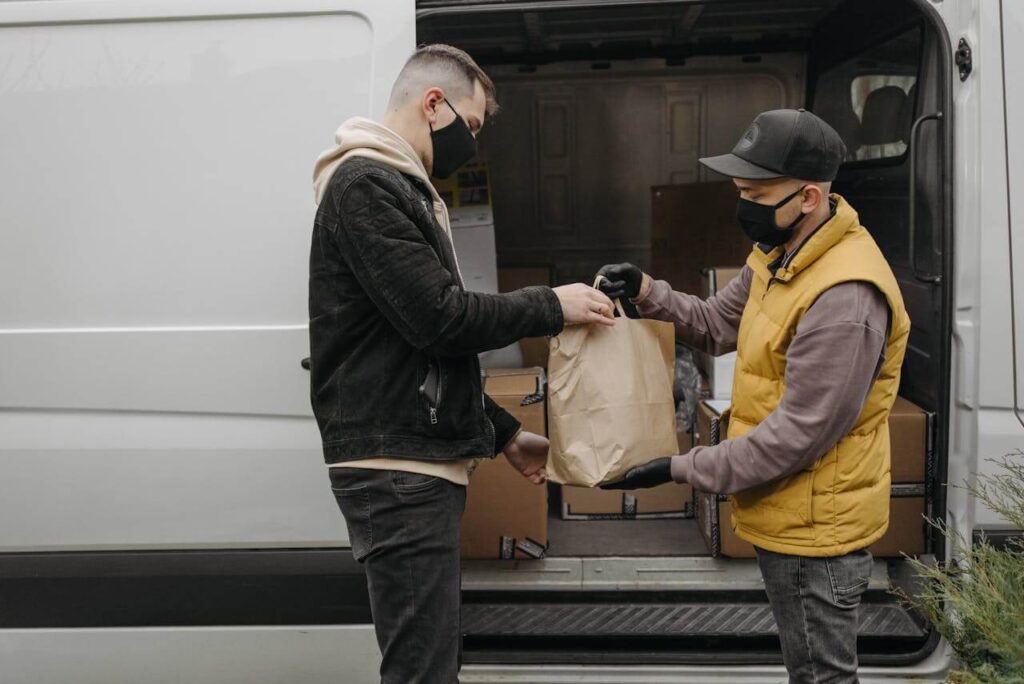
Amazon Business has added same-day fresh grocery delivery to its B2B marketplace, enabling business customers to order perishable items with the same rapid fulfillment the company offers consumer shoppers.
The expansion moves Amazon deeper into workplace provisioning and raises the competitive bar for B2B grocery suppliers.
Amazon Fresh Now Available for Amazon Business Customers
Amazon Business customers can now access the company’s Fresh grocery selection with same-day delivery, mirroring a fulfillment option Amazon has offered consumers since expanding its Fresh service in recent years. The service applies to verified business accounts purchasing through Amazon Business, the B2B arm Amazon launched in 2015.
The move brings perishable grocery items, including fresh produce, dairy, meat, and prepared foods, into the rapid delivery infrastructure Amazon Business uses for office supplies, equipment, and other commercial purchases.
Business customers in eligible delivery zones can place orders in the morning and receive items the same afternoon, matching the speed Amazon has normalized for residential orders. But it’s worth to keep in mind that Amazon set a new delivery speed record in 2025, therefore the competition will need to work harder to surpass that.
Amazon did not disclose which markets have access to the service or whether pricing differs from consumer Fresh orders. Same-day delivery for Amazon Fresh typically requires a minimum order threshold and is available in major metro areas where Amazon has built out local fulfillment capacity.
Why Amazon is Targeting Workplace Groceries
The addition reflects Amazon’s broader strategy to capture more commercial spending across a widening range of categories. Amazon Business reportedly generated more than $35 billion in annualized gross merchandise sales as of 2023, serving millions of business customers ranging from small offices to large enterprises with procurement systems integrated directly into Amazon’s catalog.
Workplace food purchasing represents a substantial and recurring revenue stream. Offices, coworking spaces, healthcare facilities, and hospitality businesses order groceries frequently, often on short notice when inventory runs low or events require last-minute catering supplies. Same-day delivery addresses a friction point that has kept some business buyers tied to local suppliers or traditional foodservice distributors.
The timing also aligns with the return-to-office trend that has increased demand for workplace amenities, including stocked kitchens and employee perks.
Companies looking to improve office culture or retain staff have expanded spending on food and beverages, creating an opening for Amazon to capture spending that might otherwise go to regional grocery wholesalers, cash-and-carry outlets like Costco Business Centers, or dedicated foodservice distributors such as Sysco and US Foods.
Amazon Business Grocery Expansion Intensifies Competitive Pressure
For third-party sellers on Amazon, the Fresh integration into Amazon Business creates both opportunity and complexity. Sellers with grocery items already enrolled in Amazon Fresh may see new order volume from business buyers without additional effort, but they will need to ensure inventory and fulfillment speed meet the tighter same-day windows business customers expect.
The move intensifies competition among grocery suppliers. Regional and specialty food vendors that rely on business customers for volume may face pressure as Amazon automates ordering and undercuts on convenience. Sellers using Fulfillment by Amazon (FBA) can tap into the same-day infrastructure, but those managing their own logistics will struggle to match Amazon’s delivery speed in metro areas with dense Amazon Fresh coverage.
For competitors, the launch signals continued encroachment. Walmart, which operates its own B2B grocery and foodservice supply business, has also been investing in rapid delivery and expanding commercial sales through Walmart Business.
Instacart has pursued business customers through Instacart Business, partnering with offices and small companies that need flexible grocery delivery. Amazon’s entry with same-day speed raises the baseline service level across the sector.
Merchants Face a Higher Bar on Fulfillment Speed
Merchants selling consumables or competing in adjacent categories should evaluate whether their fulfillment capabilities can meet the same-day standard Amazon is now extending into B2B. Business buyers ordering through Amazon Business often compare vendors on delivery speed as much as price, particularly for time-sensitive or perishable goods.
Sellers using FBA should confirm their products are eligible for same-day delivery and that inventory levels in Amazon’s regional fulfillment centers support rapid replenishment. Seller-fulfilled merchants need to assess whether they can compete on speed or must differentiate on specialization, product quality, or customer service.
Brands that supply both consumer and commercial channels should also consider whether Amazon’s blending of Fresh and Amazon Business creates channel conflict. If a brand sells through traditional foodservice distributors or direct sales teams targeting corporate accounts, aggressive pricing or promotions on Amazon Business could undermine existing relationships or erode margin structures.
Outlook
Amazon has not announced plans to expand same-day grocery delivery beyond current Fresh coverage areas, but the company’s pattern has been to test services in core markets before scaling nationally. Merchants should monitor whether Amazon begins promoting the service heavily to business customers or adjusts fees and minimum order requirements to drive adoption.
The integration also raises questions about how Amazon will handle bulk pricing and business-specific packaging. Traditional B2B grocery suppliers offer case quantities, volume discounts, and commercial-grade packaging that consumer-focused retailers often do not. If Amazon adapts its Fresh assortment to include more bulk options, it could further displace established foodservice distributors.