
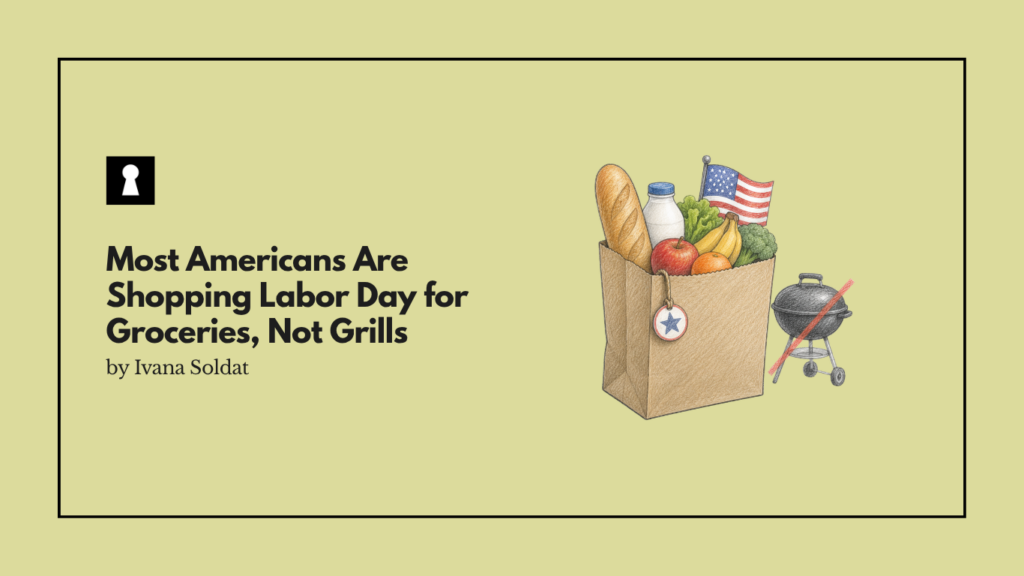
Labor Day is one of the most reliable sale events in the US retail calendar. The deals on grills, patio furniture, outdoor gear, mattresses, and home furnishings are among the strongest of the year. The problem is that most consumers are not planning to shop those categories. RetailMeNot surveyed 1,134 US consumers and found average planned spend among those intending to shop at $341, with shoppers prioritising essentials over the traditional big-ticket Labor Day categories. More than a quarter, 27%, are not planning to shop the sales at all.
“Most consumers are not planning to shop those categories, which means the value is there for anyone willing to look past their grocery list,” said Stephanie Carls, retail insights expert at RetailMeNot.
That observation is the most useful thing in the survey. The Labor Day sale infrastructure is intact. The consumer appetite for the categories it has traditionally served is not. The retailer selling grills at 30% off this weekend is running a strong promotion into a market that has largely decided it does not need a new grill right now.
The Consistent Consumer Caution Story
The Labor Day data is one more data point in the consistent picture we have been building all month. US Prime Day showed record total spending with declining average basket sizes. UK online sales turned negative in the final week of July. China’s 618 festival grew at a quarter of last year’s rate. The Alchemer holiday survey showed 38% of American shoppers saying tighter budgets will have the biggest impact on their holiday spending.
The Labor Day survey is consistent with all of that. Consumers are still spending. They are spending on what they need rather than what they want. The promotional event calendar has not changed. The consumer’s relationship to discretionary categories within those events has.
The AI Traffic Data That Should Change Your September Plans
Published alongside the RetailMeNot survey data is a separate Adobe finding that deserves equal attention.
AI traffic to US retail sites was up 62% year-over-year in July 2026. AI-referred visitors spend 59% more time on site, are 33% less likely to bounce, and add items to their cart at a 28% higher rate. However, Adobe data from April 2026 showed the average score for retail homepages at 75%, meaning roughly one-quarter of homepage content was not optimised for the large language models supporting AI shopping agents.
By July, Adobe expanded its analysis to a broader set of US retail sites and found homepage visibility had dropped to an average of 61%, meaning nearly 40% of homepage content is not fully readable by shopping agents.
Read those two numbers together. AI traffic to retail sites up 62% year-over-year. AI-readable homepage content at 61%, down from 75% three months earlier. The traffic is growing. The sites are getting less readable to the traffic that is growing.
The Shopify Q2 data we covered earlier this month told the same story from the other direction: AI-driven traffic and orders to Shopify stores tripled year-over-year, with Shopify crediting richer structured product data as the mechanism. The merchants benefiting from AI traffic are the ones whose product data is clean, structured, and readable by the agents sending that traffic. The merchants losing that opportunity are the ones whose homepages are, by Adobe’s measure, 39% illegible to the systems now driving meaningful commerce volume.
The Labor Day weekend is not the moment to overhaul your site architecture. September is. The window between Labor Day and Black Friday is the last substantive planning period before peak season, and the brands that use it to audit their AI readiness are the ones that will capture the AI-driven traffic surge already running at 62% year-over-year growth.
Our Take
Labor Day Deals Are Strong. The Customers for the Biggest Ones Are Not Showing Up.
The RetailMeNot Labor Day data and the Adobe AI traffic data are two different measurements of the same underlying condition in US ecommerce right now. The consumer is cautious and needs-driven. The technology is ready and growing fast.
The retailers positioned at the intersection of those two realities, offering clear value on things people actually need to buy, through storefronts that AI shopping agents can actually read, are the ones that will have a strong September. The retailers running maximum promotional depth on big-ticket discretionary categories through sites that AI agents cannot parse are running a playbook that would have worked better two years ago.