
For most of the last decade, the dominant direct-to-consumer growth model was straightforward, yet expensive. Brands acquired customers through Meta and Google, optimized the funnel, and hoped lifetime value eventually outran customer acquisition cost.
That model is now under serious pressure as paid media costs remain structurally elevated. A growing number of operators are responding not by finding cheaper channels, but by engineering repeat purchase, referral, and community density into the product experience itself.
The Mathematics Of Earned Growth Fundamentally Alter The LTV To CAC Ratio
Publicly available data from Bain and Company Net Promoter System research consistently shows that customers who arrive through referral exhibit higher retention rates and higher average order values than those acquired through paid channels.
The mechanism is logical because a referred customer arrives with social proof already embedded in their relationship with the product. For brands tracking lifetime value to customer acquisition cost ratios, the math changes dramatically when the acquisition cost denominator shrinks on a meaningful portion of new volume.
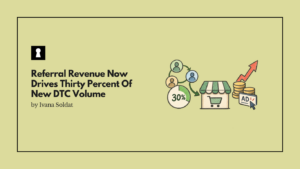
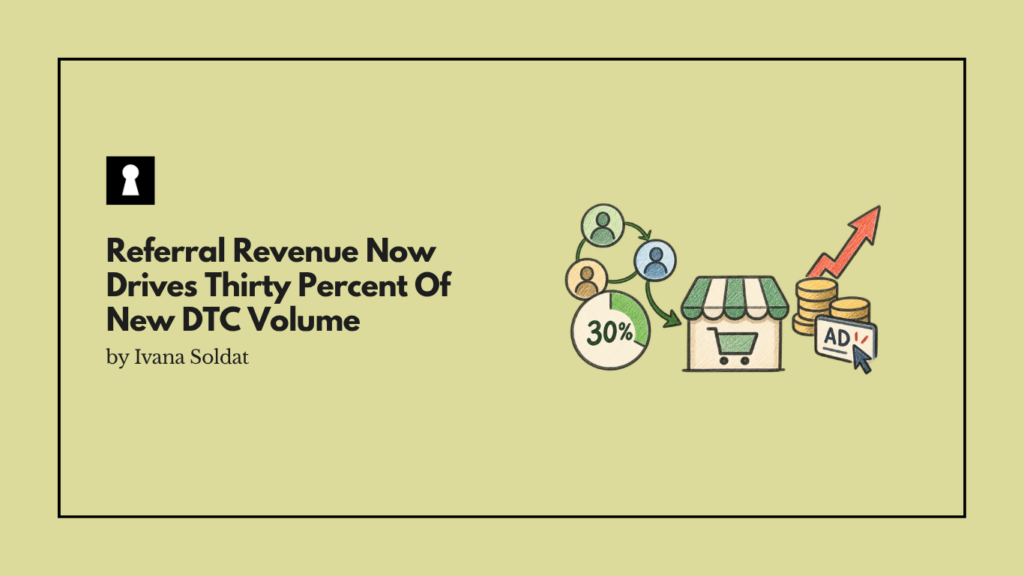
A brand generating thirty percent of new customers through referral and repeat-driven organic channels is effectively blending its overall acquisition cost downward across the entire cohort. This improves the ratio without requiring a single dollar reduction in paid media spend.
Earned Growth Is Often Just A Vanity Metric For Poor Product Market Fit
The ecommerce industry has a habit of rebranding basic operational competence as a revolutionary new strategy. Many founders claim to prioritize earned growth while secretly relying on heavy discounting to force repeat purchases.
True earned growth requires a product so compelling that customers voluntarily advocate for it without financial incentive. If your referral program only works because you are giving away twenty percent margins on every share, you have not solved your unit economics. You have merely subsidized your customer acquisition cost through disguised promotions.
Algorithmic Discovery Rewards Brands With Authentic Off Site Entity Authority
The shift toward earned growth also intersects with how modern algorithms evaluate brand legitimacy. Search engines and large language models increasingly prioritize entities with robust, cross-referenced digital footprints over isolated storefronts.
Brands that cultivate genuine community discussions, secure organic press coverage, and generate authentic user reviews build an authority moat that paid ads cannot replicate. This organic signal density directly influences both traditional search rankings and emerging AI shopping recommendations.
Our Take
Sustainable Scale Requires a Product Customers Actually Want to Talk About
The direct-to-consumer industry is finally waking up to the reality that rented attention is a depreciating asset. Earned growth is not a magical new marketing channel.
It is simply the financial manifestation of genuine product-market fit.
Founders who treat referral programs as a band-aid for weak retention will continue to bleed cash regardless of their framing. Build a product worth recommending, or prepare to be priced out of the attention economy entirely.