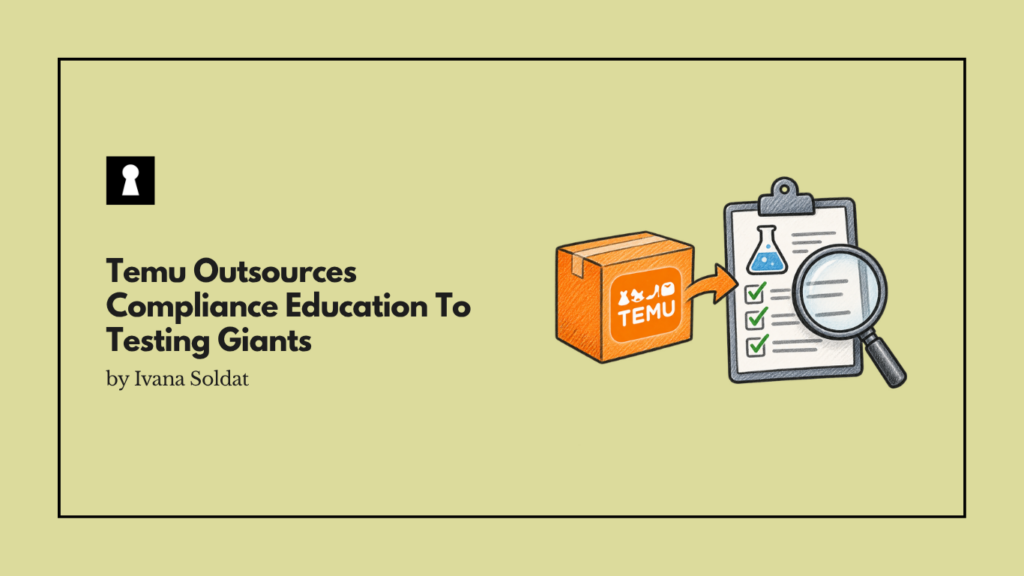
Temu announced an expansion of its seller education programs in collaboration with eight global product testing and certification organizations. The initiative aims to instruct merchants on the complex web of product safety and certification requirements across different markets.
This is not an act of corporate benevolence. It is a calculated response to tightening international trade regulations that threaten the core ultra-low-cost import model.
Compliance Theater Masks A Strategic Shift In Liability
By outsourcing compliance education to established third parties like Bureau Veritas and QIMA, Temu is building a legal moat. The platform can now point to these training sessions as evidence that it provided sellers with the necessary tools to comply with local laws.
If a merchant ships a non-compliant product, Temu can argue that the seller ignored the provided education, thereby shifting the legal and financial liability away from the marketplace and squarely onto the individual vendor.
This dynamic allows the platform to maintain its high-volume, low-friction onboarding process while creating a paper trail of due diligence.
August Training Sessions Drew Minimal Engagement Relative To Seller Base
The execution of this program reveals a stark reality about its actual reach. Temu reported that its August livestreamed sessions recorded more than 4,000 views and over 2,000 interactions in total.
For a platform that boasts tens of millions of active sellers globally, this engagement is statistically negligible. It suggests that these educational initiatives are primarily performative, designed to satisfy regulatory checklists and generate positive press releases rather than fundamentally alter the behavior of the broader seller base.
The vast majority of merchants are likely continuing to list products without ever encountering these specialized compliance guidelines.
Third Party Certifiers Become The New Gatekeepers Of Marketplace Access
The involvement of elite testing firms like TÜV SÜD signals a broader shift in how cross-border ecommerce will operate. These organizations are no longer just service providers hired by brands.
They are becoming the de facto gatekeepers of marketplace access. Upcoming sessions are slated to cover electronics, textiles, footwear, cosmetics and food-contact materials.
As platforms integrate these certification standards directly into their listing algorithms, sellers who cannot afford or navigate the rigorous testing protocols of these global firms will find their products systematically suppressed or removed.
Regulatory Pressure Forces Platforms To Police Their Own Supply Chains
This educational push is a direct response to the practical demands of selling in multiple markets. Temu noted it held more than 100 meetings with trade associations, chambers of commerce and start-up networks in Europe during the first half of 2026.
This outreach coincides with the enforcement of stringent regulations like the European Union General Product Safety Regulation, which holds online marketplaces jointly liable for unsafe products sold by third-party merchants.
Platforms can no longer claim to be mere neutral intermediaries. They are being forced to actively police their supply chains, and outsourcing that education is the most cost-effective way to do it.
Our Take
Education is Simply a Polite Mechanism for Liability Transfer
Temu’s partnership with elite testing firms is a masterclass in regulatory arbitrage.
By pointing to these educational seminars, the platform can claim it provided sellers with the tools to comply, effectively washing its hands of the responsibility when non-compliant goods inevitably slip through.
Sellers must recognize that attending a webinar does not absolve them of legal liability for unsafe products. If your supply chain cannot meet the rigorous standards of Bureau Veritas or TÜV SÜD without platform subsidies, you are operating on borrowed time.