
China is an incredibly competitive ecommerce market, and companies need to pull out all the stops to stay ahead of their competition. However, market regulators in China are alleging that some of these platforms took things a bit too far and participated in false and misleading advertising, and have summoned these platforms for conversations.
These regulators are also making official efforts to curb the “involution-style” competition that many of these platforms are engaging in, in an effort to protect consumers and avoid unfair competition.
Beijing Watchdog Summons Major Platforms for Talks
The Beijing Municipal Administration for Market Regulation (BAMR) has just summoned five leading digital platforms in China for talks. The platforms that have been called on include social media platforms RedNote and Douyin, as well as ecommerce platforms JD.com, Pinduoduo, and the Alibaba-owned Taobao.
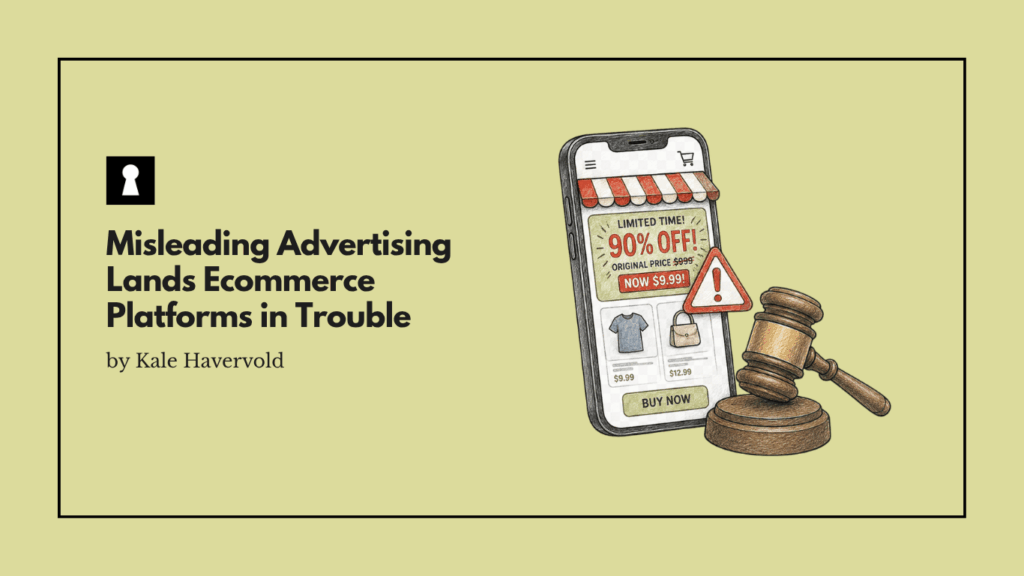
These platforms are being accused of false and misleading advertising for promotional events during the 6.18 shopping festival. BAMR has said that it had also identified issues regarding irregular rules and failing to disclose merchant information, as well.
Specifically, some of the platforms failed to prominently display the rules for their “10 Billion Yuan Subsidy” and “10 Billion Yuan Consumer Voucher” (around $1.5 billion) programs. Regulators also allege that actual spending was less than the advertised amount, and the platforms didn’t specify the actual amounts of the subsidies, length of the promotion, and more.
In addition to outlining these violations, regulators have also told the platforms that they need to rectify these issues.
Authorities Attempt to Crack Down on Involution-Style Competition
These talks also come as authorities in China aim to crack down on “involution-style” competition. For those unfamiliar, this refers to an intense competition between economic peers or rivals, where extra effort no longer leads to better results, as all of the competition is also working as hard as possible to achieve better results, which leads to no one getting anywhere.
Companies in ecommerce, food delivery, electric vehicles, and other Chinese industries are ingrained in intense competition with one another and are looking for any way to earn more business, including price and subsidy wars.
In response to this red-hot competition, BAMR has suggested that companies should shift their focus from offering subsidies and lowering prices, to competing on things like innovation and improving services. It hopes that this promotes win-win development between platforms and their workforces.
These Aren’t the First Problems for Chinese Ecommerce
While these talks and allegations are the latest challenge for Chinese ecommerce platforms, they’re far from the first. For example, Temu is facing a class action lawsuit in California for deceptive email marketing, and in Europe, many countries are growing tired of the likes of Shein, Temu, and other platforms that continue to operate throughout the region.
This is largely due to some of these platforms refusing to follow the rules, using deceptive business practices, and flooding the market with cheap goods that make it hard for local sellers to compete.
Also, Chinese ecommerce in general is experiencing some trouble as low-cost ecommerce exports have declined over the past few months, following multiple years of steady and strong growth.
Our Take
The Importance of Truth and Transparency in Advertising
These allegations highlight the importance of ecommerce brands being true and transparent in their advertising. Not only can false advertising land you in trouble with market regulators, but also ruin your reputation.
If customers expect one thing from a deal, promotion, or product, and you give them another, it’s sure to frustrate them. Sure, making false or exaggerated claims or advertisements may attract more people and generate some buzz, but it is never worth the risk of alienating your customers, hurting your reputation, or landing yourself in regulatory trouble.