
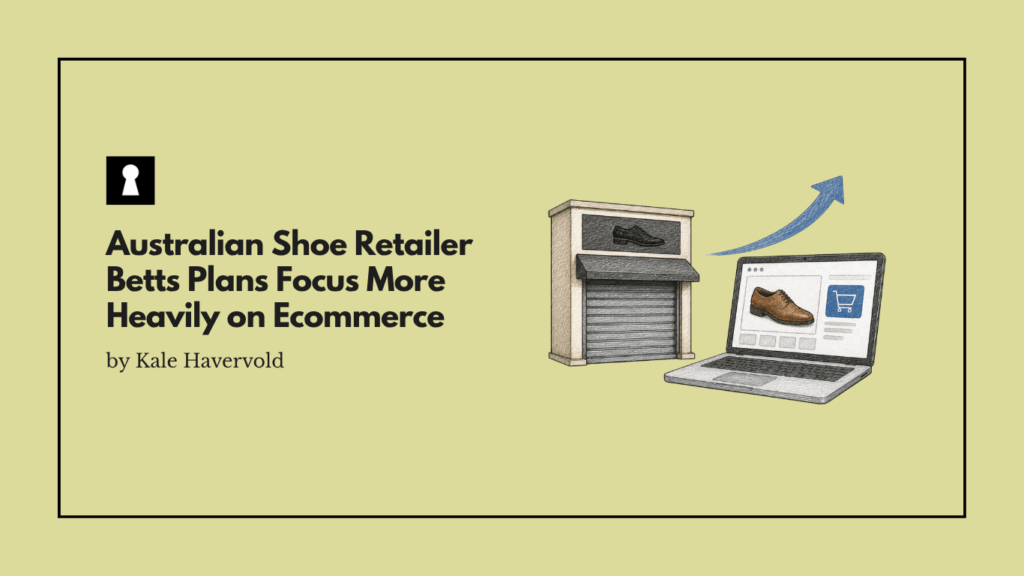
With well over 100 years of history, Betts is among the oldest footwear companies in Australia. However, all of that history will soon be moving primarily online as the company is closing its physical stores to focus more on selling online.
This is a common move by companies today, as digital transformations are quickly gaining steam across the world. However, while deciding to digitally transform is often easy, actually doing it may be a whole other story.
Betts is Closing the Door on Physical Retail
Betts, an Australian footwear company that began as a single store all the way back in 1892, and eventually grew to have over 200 stores in its network, is now shifting away from physical retail, as 20 of its 35 stores will close.
The main reasons for the closure of these stores are both declining foot traffic and the trend towards online retail, which is seeing more people shop digitally than ever before. In addition to closing many physical stores, the company also entered voluntary administration.
This is a legal process in Australia where an independent expert, known as an administrator, takes over the running of the business from the directors for a few weeks, and looks closely at the debts, finances, and operations, to try and identify the best way to move forward for the brand.
Speaking about the decision to close stores, Pitcher Partners administrator Lindsay Bainbridge, the person who has been appointed the voluntary administrator for the company, said that “the retail conditions and falling foot traffic in a lot of centres just are not sustainable for the business”.
He also added that “Australians grew up with Betts shoes, they know and love the brand, and we believe it has a strong outlook as a more streamlined operation,”. He also confirmed that he would continue the company’s plan to expand retail online.
Shifting the Focus to Online Retail
While Betts is among the latest major brands to make the shift from physical to digital retail, it’s far from the first and certainly won’t be the last. In fact, 71% of organizations are planning to increase the focus on their digital transformation moving forward in the next year.
Even Amazon has done something similar, as it recently closed down Amazon Fresh and Amazon Go physical stores to focus more on online delivery and to strengthen the Whole Foods brand.
Many brands, both large and small, are aware that tons of buyers are shifting to online shopping and are refocusing their efforts as a result, in order to meet evolving customer preferences and demands.
In 2025, ecommerce accounted for 22.4% of total retail sales in the USA. That may not seem like a lot, but it’s a massive jump from the 11.3% share that ecommerce had in 2019. This is nearly double in just over five years, which is showing the meteoric rise that ecommerce is seeing, and that traditional physical store formats continue to shrink.
So while physical retail won’t go away overnight and still dominates overall, ecommerce is growing quickly, and it wouldn’t be surprising to see more and more brands digitally transform and begin to shift their attention to online retail as opposed to physical.
Our Take
The Importance of Navigating a Digital Transformation Successfully
While many companies are digitally transforming in response to changing consumer habits and preferences, it’s often easier said than done. Thankfully, when done right, a digital transformation can keep businesses competitive, boost efficiency, improve personalization, and generally help them run a more innovative and resilient operation.
On the other hand, a poor digital transformation can create massive channel disconnects, mass employee confusion, and lead to poor performance if you simply adopt shiny new technology without addressing the underlying issues in your workflows and processes.
To nail your digital transformation, you need to evaluate your processes before adopting any new tech, train your teams properly, get employees to buy in, unify your commerce data, and prioritize the customer journey by ensuring your online store and other touchpoints are frictionless.
This is crucial, as things like poor site navigation, subpar user experience, and website performance issues are among the most common ecommerce mistakes that companies can make, and may drive potential customers away and hurt the overall shopping experience.