
There is a specific kind of theft that does not feel like theft when you are doing it. You bought something, you received it, maybe you are not that happy with it, and instead of going through the merchant’s return process, you call your bank, say you do not recognize the charge, and let the dispute system do the work. You get your money back. You keep the product. Nothing dramatic happened. You just filed a chargeback.
The industry term for this is friendly fraud, and according to Chargebacks911’s 2026 Chargeback Field Report, it is happening at a scale that has moved it from a line item in a merchant’s loss column to a structural feature of how ecommerce operates. More than eight in ten retailers surveyed have reported an increase in friendly fraud. Among merchants who reported a change in friendly fraud over the past three years, 73.7% said the problem had worsened, rising to 83.4% among enterprise merchants.
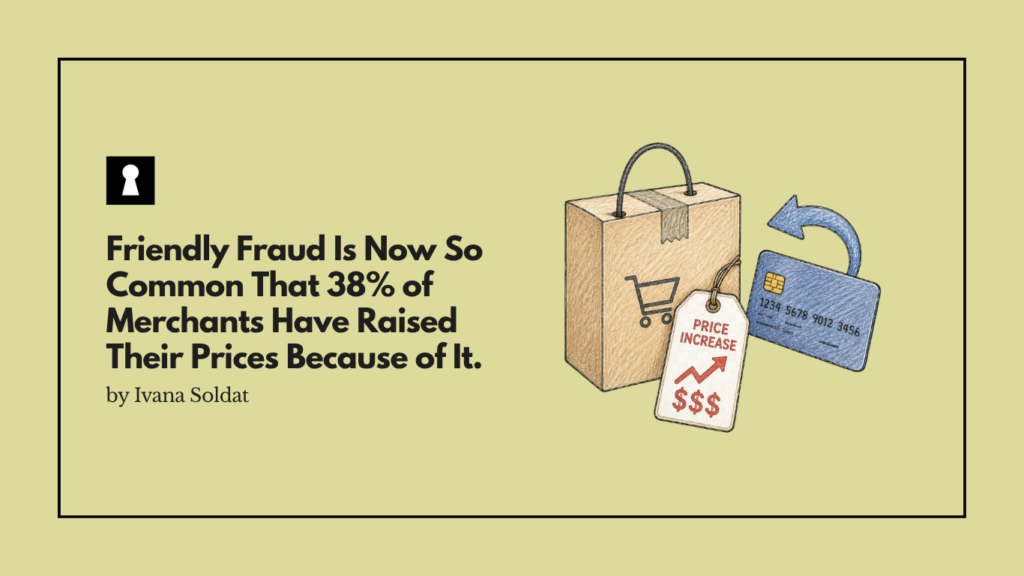
The number that deserves the most attention: 38% of respondents said the costs of chargebacks have influenced the prices of their goods and services, an increase from 32.5% the prior year. Nearly four in ten merchants are now pricing friendly fraud into their products. Every shopper buying from those merchants is, in a small but real way, paying for someone else’s disputed chargeback.
How Much Does Friendly Fraud Cost You?
The phrase “friendly fraud” does a lot of softening work that the actual numbers do not support. Every dollar lost to chargebacks costs merchants $3.75 to $4.61 all-in, a 37% increase since 2021, once you factor in chargeback fees, manual review labor, lost merchandise, and operational drag. Global chargebacks are projected to climb from $33.79 billion in 2025 to $41.69 billion by 2028.
The reason the total cost multiplies so far beyond the original transaction is that chargebacks are not just refunds. They come with processing fees, often between $20 and $100 per dispute. They trigger manual review processes that consume staff time.
They can push a merchant’s chargeback ratio above the thresholds payment processors use to classify accounts as high-risk, leading to higher processing fees, stricter monitoring, and in serious cases, loss of the ability to process cards at all.
The merchant who loses a $50 chargeback dispute is not out $50. They are potentially out $150 to $230 once all downstream costs are counted.
From Isolated Behavior to Organized Operation
What has changed in the last two years is not just the volume of friendly fraud. It is the sophistication of how it is being committed. First-party fraud jumped from 15% of reported fraud in 2023 to 36% in 2024. That is not a gradual drift. That is a structural shift driven partly by consumer awareness that the dispute system exists and is easy to use, and partly by organized networks that teach and coordinate chargeback abuse at scale.
Social media and online communities have not been neutral in this trend. Tutorials on how to successfully dispute charges, which reason codes to use, and how to maximize the chances of winning a chargeback against specific merchant types are not hard to find. What used to require knowing someone who knew the trick now requires a five-minute search. The democratization of chargeback abuse is part of why the numbers are moving this fast.
The organized end of the spectrum is more serious still. Organized crime groups have begun using automated systems to initiate fraudulent returns and refunds at scale, with the potential to liquidate significant cash reserves before a human even notices. The individual filing a single chargeback because they did not want to deal with a return process is a different threat than coordinated fraud rings running systematic disputes across hundreds of accounts. Both are growing. They require different responses.
BNPL Is Making It Worse
The timing of this report lands in an interesting context. Earlier this week, a Reddit thread full of Shopify merchants describing their Klarna experiences documented exactly how buy now pay later amplifies friendly fraud exposure. Nearly a fifth of merchants surveyed in the Chargebacks911 report accept BNPL payments, and about 40% believe BNPL increases their chargeback exposure.
The mechanism is structural. BNPL providers give consumers an easy in-app button to initiate disputes, often before any return has been made or verified. The chargeback can arrive at the merchant before the product has even been shipped back, leaving the seller disputing a loss they have not yet confirmed. The merchants who turned Klarna off after losing Shopify Payments accounts were not outliers.
They were experiencing a documented, measurable pattern that the industry’s own data is now confirming at scale.
AI Is Fighting Back. Sort Of.
About two-thirds of merchants currently use AI-based fraud-prevention tools or plan to. The tools range from real-time transaction scoring that flags suspicious orders before they are approved, to automated representment systems that build dispute evidence without requiring manual staff effort, to behavioral analytics that identify returning fraudsters even when they use different cards or accounts.
The results are real but uneven. AI-driven dispute management can deliver meaningfully higher win rates in representment, and pre-dispute alert systems that catch chargebacks before they are formally filed can save the processing fee and preserve the processor relationship.
But the tools are only as good as the data they run on, and smaller merchants rarely have the transaction volume needed to train behavioral models effectively. The technology exists. Access to it is distributed unevenly across merchant size.
Visa has also entered the picture directly. The card network processed 106 million disputes globally in 2025, up 35% from 2019, and launched six AI-powered dispute resolution tools aimed at reducing what it called one of the most persistent friction points in commerce. One update now allows merchants to share transaction evidence with issuing banks directly, giving sellers a formal mechanism to demonstrate a disputed transaction was legitimate before the chargeback is approved.
Our Take
The Price Tag You Did Not Know You Were Paying
The friendly fraud crisis is a collective action problem with no clean solution. Merchants cannot add enough friction to the dispute process to stop deliberate abuse without also making it harder for legitimate customers to resolve genuine problems, and legitimate customers are already the ones funding the problem through higher prices.
The chargeback system was designed to protect consumers from unauthorized charges. It was not designed for a world where disputing a charge is easier, faster, and less confrontational than emailing a merchant, and where the probability of winning a dispute as a cardholder is high enough that the risk-benefit math often favors filing regardless of whether the claim is legitimate.
That system imbalance is what 38% of merchants are now pricing into their products, and until card networks, payment processors, and consumer behavior all shift together, the honest shoppers will keep subsidizing the dishonest ones.