
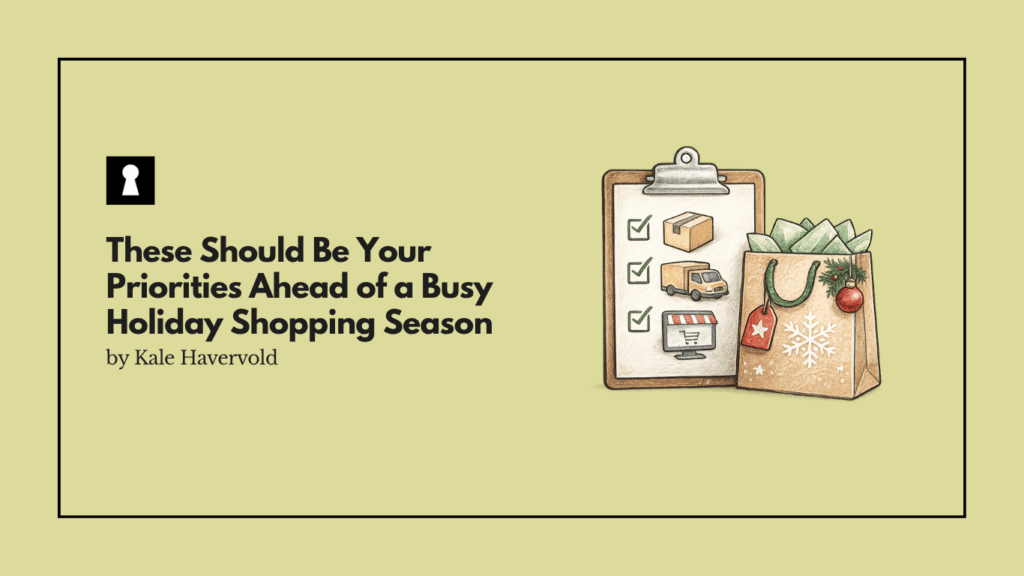
The holiday season is without a doubt the busiest time of the year for many retailers. But despite this heavy demand, simply having an online store during the holidays isn’t enough to guarantee you’ll make sales and achieve your desired results.
Instead, you need to plan, prepare, and prioritize correctly in the days, weeks, and even months before the holiday shopping season arrives. If you fine-tune the right things and make the proper adjustments ahead of time, it can pay off in a huge way down the line.
Improve Product Availability
One of the first priorities for sellers as they prepare for the holidays is to ensure their products are available for customers when they want them. In fact, out-of-stock items are the top frustration among shoppers, as 41% of people cited it as their worst shopping experience over the last year.
This stat and the others covered here come from a new report by Alchemer, which surveyed over 1,000 U.S. shoppers across shopping channels, ages, and genders.
To reduce the chances of stockouts hurting your brand, you need to accurately forecast demand to ensure you know how many products you should stock. Keep in mind that this is a delicate balance, as if you order to make too many items, you may be stuck with extra inventory that you struggle to sell.
Reduce Friction at the Checkout
Companies also need to make sure to remove any source of friction during the checkout process. Over 30% of people cite long lines and slow checkouts as their top frustration, and issues during the last stage of a shopper’s buying journey are one of the most common reasons they abandon their cart.
Your checkout and other pages on your site should load fast and work reliably, even under a heavy load like you may experience during the holidays. While some customers may be patient enough to wait for your checkout to load, others certainly won’t. In fact, 70% of consumers admit that page speed influences how willing they are to buy from a retailer.
In addition to the pure speed and performance of your checkout and site, other sources of friction at checkout that you should be mindful of include:
- Unexpected costs like service charges, hidden fees, or expensive shipping
- Mandatory account registration
- Numerous forms or pages to fill out
- A complex layout with too much information
- A lack of secure payment choices
Get Feedback, and Actually Act On It
While some shoppers aren’t shy about letting you know when they’ve had a bad experience, many others will simply keep it to themselves and take their wallet somewhere else. This is worse than getting negative feedback, as it doesn’t tell you what you did wrong to drive that customer away, and thus can’t fix it.
As a result, whether it’s good or bad, you should always encourage people to leave you feedback about their experiences, and tell you if there’s anything you could do better.
However, if you only take note of the feedback, that’s only half the battle. You also need to act on this feedback and make changes and improvements based on it. The biggest reason people don’t leave feedback in the first place is that they didn’t think it would change anything, so you need to prove them wrong.
If you take in feedback and make changes based on it, it not only improves the shopper experience and deals with an issue that annoys customers, but also shows them that you listen to them and value what they say.
Take Customer Service Seriously
Despite best efforts, no seller or company is perfect, and there will eventually come a time when a customer experiences an issue and needs support. This is especially true around the holidays, as the sheer volume of sales and chaos of the season often leads to plenty of issues like late deliveries, damaged packages or items, or someone buying the wrong size.
While it may not feel like it, customer service encounters are pivotal to your success, as poor service is the second most likely reason why a shopper may abandon a retailer they like (19.3% of respondents).
A good experience can create a more loyal and happy customer, while a bad one may push them away, and potentially even lead to them telling others to avoid buying from you.
Unfortunately, many companies don’t handle customer service as well as they should. While over 55% of respondents receive an acknowledgement after they’ve raised an issue, only a little more than 17% actually got some sort of compensation afterwards.
This gap is unacceptable and is often what drives people away after a single bad experience, and something like a “we received your feedback” message isn’t enough. Brands need to have a service recovery strategy in place for how they plan to solve the problem and win back the customer’s trust.
Keep Your Pricing Fair and Honest
While pricing is always central to a shopper’s buying decision, this is especially true in 2026 with all the uncertainty surrounding the economy. Price is often the number one deciding factor at purchase, and 65.6% of people say it’s their top driver of a good experience. Also, 44.1% say that the lowest price matters more to them now than it did a year ago.
On the other side of things, a significant price increase is the single most likely thing to drive a customer away from a retailer they otherwise like. Oftentimes, when prices rise, shoppers buy less, trade down, and wait for sales. Also, competitive pricing is one of the most important elements in online shopping for consumers, along with reliable shipping and payment security.
However, while all of this may steer retailers to think they need to offer deep discounts to bring shoppers in, that’s not true. Instead, consumers just seek transparency when shopping online. Hidden fees are among the biggest frustrations of online shoppers, and when pricing doesn’t feature any surprises, it may increase loyalty.
If you need to increase prices due to rising costs or shifting market conditions, don’t try to trick customers by using hidden fees, and instead be honest about the increase. Talk about why it’s happening, and why your products still provide value at this new price point. Similarly, if your price is much higher than competitors, you must have a good reason for it.
Our Take
Get The Basics Right
As you can see, many of the most important things to prioritize ahead of the holiday shopping season aren’t major changes or strategic shifts, but instead focusing on the basics. If you can ensure your products are available, make it easy for customers to check out, offer great customer support, and keep your pricing fair, it’ll go a long way.
While going above and beyond for your customers is never a bad thing, it’s often not required or expected among consumers. They simply want a good and straightforward experience from start to finish.
As a result, rather than trying to reinvent the wheel ahead of holiday shopping season or other major sales events, just focus on the fundamentals and do your best to eliminate or reduce common customer frustrations like stockouts, unreliable online storefronts, confusing pricing, and poor service.