
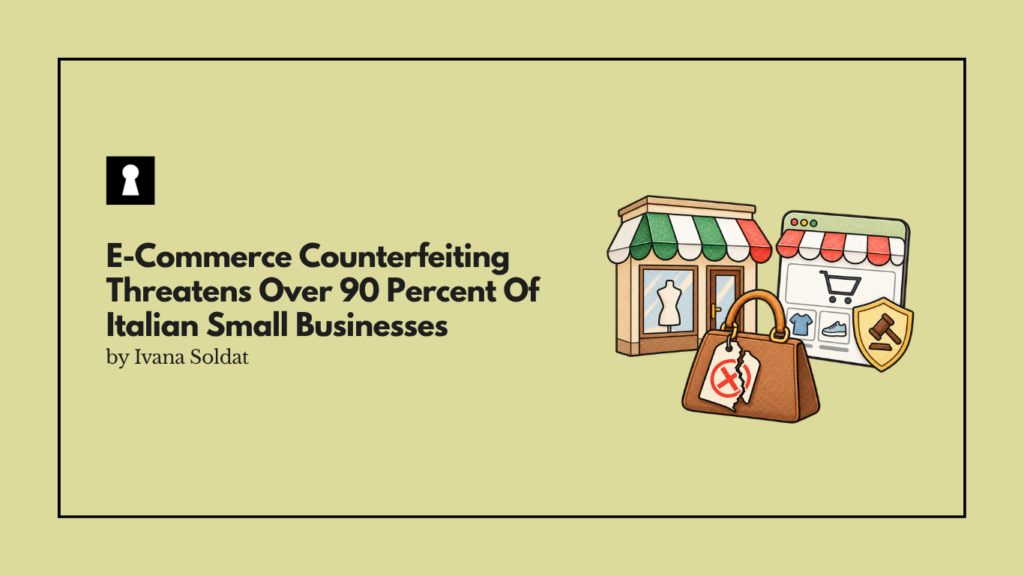
The rapid expansion of digital sales channels has fundamentally altered the counterfeit landscape.
According to the CNA and CNA Federmoda investigation, more than seven in ten entrepreneurs believe that the growth of e-commerce has opened the doors to the circulation of fake goods, transforming the internet into the preferred channel for the parallel market.
The anonymity, global reach, and algorithmic amplification of digital marketplaces allow bad actors to replicate and distribute counterfeit products at a pace that traditional brick-and-mortar enforcement simply cannot match. This means their intellectual property is vulnerable to exploitation before they even have the resources to file a takedown notice.
The Direct Operational And Financial Toll
The impact of this unfair competition is not theoretical; it is actively disrupting daily operations and eroding margins. The study highlights that nearly 70 percent of surveyed businesses report suffering direct damage from the unauthorized reproduction of their designs.
Furthermore, the contamination extends upstream into the B2B supply chain, with more than 50 percent of companies discovering only after the fact that they had inadvertently purchased non-original supplies or semi-finished goods for their own production. This highlights a critical vulnerability where the line between legitimate wholesale sourcing and counterfeit infiltration is increasingly blurred.
The Push For Platform Accountability And Harsher Penalties
In response to this escalating threat, industry leaders are issuing clear, unified demands to policymakers. The primary request is a decisive tightening of the penalty framework for illegal producers and distributors, coupled with greater legal accountability for digital platforms and marketplaces.
Currently, only a minimal percentage of companies consider existing law enforcement interventions to be adequate. By shifting the burden of policing onto the platforms that host and profit from these transactions, advocates hope to force a structural change in how e-commerce sites moderate their listings and verify their sellers.
Defending The “Made In Italy” Premium
Nicoletta Fasani, president of CNA Federmoda Milano, emphasized that defending authenticity means protecting the entire heritage of ideas, research, and skills that constitute the identity of Made in Italy.
When an original article is copied and dumped onto the market at a low cost, it does not just harm a single brand; it devalues the entire production chain and trains consumers to expect luxury quality at fast-fashion prices.
The proposed solution extends beyond mere legal repression, calling for consumer education campaigns to help buyers recognize and reward the true value of artisanal labor.
Our Take
Don’t Wait for Regulators to Stop the Counterfeiters
For ecommerce founders and brand owners, the proliferation of counterfeits on digital marketplaces is a stark reminder that intellectual property protection cannot be a passive afterthought.
While the call for stricter platform liability is justified, relying solely on regulatory salvation is a fragile strategy. Brands must proactively invest in verifiable authenticity markers, robust supply chain auditing, and direct-to-consumer relationships that bypass the ambiguous gray markets of third-party platforms.
If your brand’s value proposition can be easily replicated and sold by an anonymous third-party seller, your competitive moat is not wide enough.