
When people shop and buy things online, they no longer just buy based on things like pricing, fast delivery, and customer reviews. Instead, customers are increasingly buying things that are in line with their values, identity, beliefs, and interests.
The growing number of people buying things that reflect who they are, not just purchasing what they need, has helped identity-driven retail become a popular strategy among ecommerce sellers and brands. But while offering products that help deepen your connection with your customers is great, it needs to be authentic, or you risk consumers seeing right through it.
What is Identity-Driven Retail?
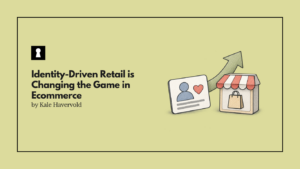
Identity-driven retail is a marketing and retail strategy where a company tailors its products, marketing, and experiences to the values, beliefs, interests, and lifestyles of its target customers. Instead of just selling items based on utility, identity-driven retail is all about offering things that reflect just who the customer is and how they want to be seen by others.
Oftentimes, this leads to the brand focusing its efforts on a specific subset of consumers, rather than trying to convince everyone to become a customer.
For example, instead of trying to reach every possible customer, a clothing brand may look to target primarily campers and outdoor enthusiasts by focusing its marketing on nature and exploration, and by making its clothing with rugged and strong materials that hold up to all sorts of adventures.
Of course, this strategy relies on collecting and having customer data for it to work well. Without knowing the identity of your customers, which includes their values, culture, lifestyle, beliefs, and shopping/browsing habits, tailoring your offering to what they care about isn’t easy.
The Benefits of Identity-Driven Retail for Ecommerce Brands
The popularity of identity-driven retail isn’t just growing based on changing consumer buying habits, but also due to the benefits that it can provide to ecommerce sellers.
First, implementing an identity-driven retail strategy can lead to a better and more emotional connection between a brand and its customers. This may help customers become more loyal to a brand, boost retention, increase conversions, and improve customer lifetime value.
If customers feel connected to a brand and believe that the brand fully aligns with their values and interests, they’re often less likely to abandon the brand than someone who just buys items for utility and doesn’t feel any sort of connection to the retailer they buy from.
Next, using this strategy lets brands offer better personalization, as they can deliver the exact type of products or experiences that customers want. With how much personalization matters to customers, adopting strategies that improve how well you can personalize your offering is never a bad thing.
Finally, using an identity-driven retail strategy can also shield a brand from price wars, help it build a dedicated community of customers and fans, and may even boost the brand’s visibility and reach, as loyal brand advocates will likely recommend it to friends and others who share similar beliefs and values.
Shifting Away From Traditional Demographic Targeting
The growth of identity-driven retail also represents a shift away from traditional demographic targeting using variables like age, gender, and location. Instead of focusing on rigid categories and assuming that everyone in those categories is the same, identity-driven retail recognizes that even people of similar ages and genders can have vastly different values and preferences.
For example, just because two people are 55-years old doesn’t mean they buy the same things, have the same beliefs, and enjoy similar hobbies. In a similar vein, a 25-year-old and a 60-year-old may enjoy the same music and support the same social causes.
Focusing on a shopper’s identity and the things they care about in life is often a more effective way to reach and engage with them than just focusing on who they are on paper.
Of course, demographics still have value, but are no longer enough on their own to get an accurate understanding of who a customer is, what they value, and the things they’re interested in buying.
Our Take
Authenticity Pays Off, But Only When It’s Real
Using an identity-driven retail strategy can be a great way to boost brand loyalty and offer better personalization, and it’s something all brands should consider if they’re looking to develop a better connection with customers.
However, brands adopting this strategy need to make sure it’s authentic. Customers can spot identity washing and forced marketing from miles away. If you align your business with specific values, causes, or identities, but it’s just performative, customers will often call it out, which may lead to major backlash.
Trust and brand credibility are some of the most important ecommerce success factors, so make sure to be as authentic as possible if you decide to align yourself with a specific cause, customer, or community.