
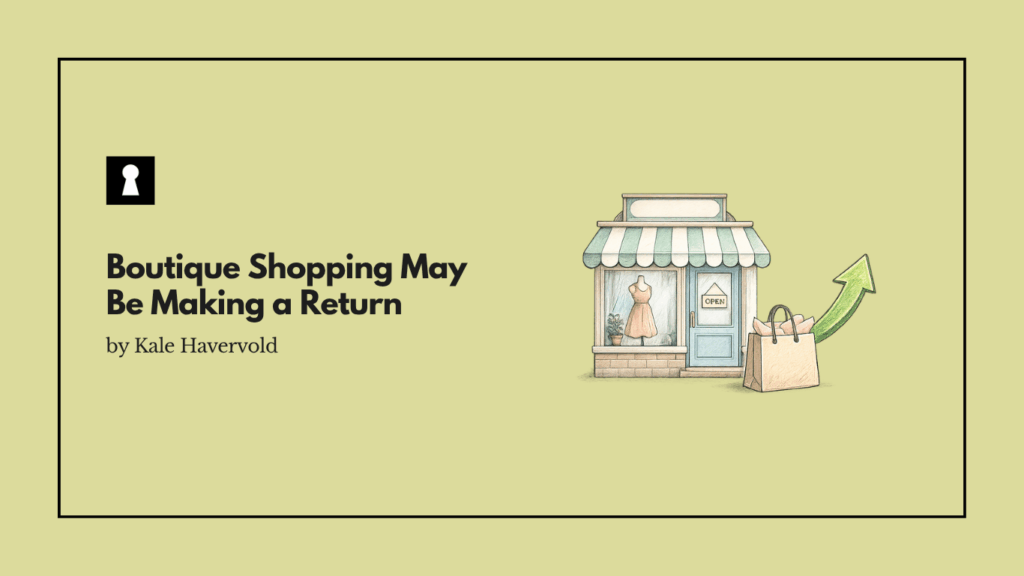
While online shopping is still incredibly popular and not going anywhere anytime soon, it seems many people are making the switch back to physical retail, at least for things like fashion. Whether they’re doing it for a sense of community, easier returns, better curation, or any number of other things, many stores are noticing an in-person shift.
There’s no telling how large this bounceback of boutique shopping will become, but it’s clear that people want the connection, experience, and curation that in-store shopping offers, something which is often lacking in the world of online retail.
Many Stores Registering an In-Person Shift
While some brands are closing physical stores and focusing their efforts on selling online, other stores are reporting a shift to more in-store foot traffic, especially in the fashion and clothing space.
This renewal of boutique shopping signifies that many shoppers aren’t getting what they need or want online, and are craving a different experience. This doesn’t mean ecommerce and online stores are going anywhere, but shows that a chunk of the population would rather shop in-person at their local boutique rather than visit an online retailer of fash-fashion platform.
Reasons Why Many People are Returning to Boutique Shopping
Several things are driving more people to shop at physical boutiques rather than online, especially when it comes to clothing.
They Want A Sense of Community
First, many people shop in-person at boutiques because they want a sense of community. Over time, you’ll become friendly with the owners and workers, as well as others who frequent the store often.
Between the pandemic and the fact that many of us are essentially living online, several people struggle to find genuine human connections with others who share similar interests or passions. Plus, shopping in person gives people an excuse to be away from their screens.
Also, many boutiques may serve as someone’s “third space”. Third spaces are social environments that are separate from a person’s two main spaces of home and work. Having spaces to go, be with others, communicate, and have fun is great for building a community and improving your well-being.
In addition to just being stores, many boutiques may lean into this community aspect and host events like art shows, social gatherings, or parties. For example, Idlewild, a Cincinnati boutique owned by Tessa Clark, her mother Julia, and cousin Jessica, often features artists like painters, sculptors, jewelry artists, and ceramists in the store.
They Enjoy the Joy and Thrill of the Hunt
Next, many shoppers simply love the thrill of hunting for the perfect item. There’s no feeling quite like browsing through the racks in a shop, visiting multiple shops, and hoping to find that one item that blows you away.
Online shopping simply never offers the same experience, when you can essentially search for anything and find it in seconds. While online shopping may save you time and be a convenient option, it lacks the sense of excitement and discovery that shopping in-person does.
Some boutiques may also offer exclusive items you can’t find anywhere else. In-store exclusives are important, according to Ruby Redstone, co-owner of a West Village boutique called Mess, as “When people shop in person, they want to feel like it’s something that they could never have encountered online.”
They Seek More Curation and Personalization
Many also shop in-store for a more curated and personalized experience. While online experiences are certainly getting better at this, over half of all shoppers still prefer to shop for apparel in-store as opposed to online, and nearly two-thirds choose boutiques for more personalized service.
When shopping at physical boutiques and stores, you can actually try things on, feel the materials, see how items look in real life, and even ask for advice from workers about what items work well together, and get tailored assistance based on your exact style.
They’re Often Happier With Physical Purchases
Finally, many people are often happier with their physical purchases compared to ones made online. This may be because they can find their perfect size when shopping in-person, know exactly what an item will look like on them, and be able to actually wear it and feel it on their body.
In fact, while physical stores have an average return rate of under 9%, ecommerce return rates are often between 20% and 30%. Physical shopping also often has fewer return hassles as well, as you can simply take an item back if you’re not happy, rather than worry about packing it back up in a box, taking it to the post office, and potentially even paying for return shipping.
Our Take
Delivering More Personalized and Connected Experiences as an Ecommerce Seller
A big reason why many people are going back to shopping in boutiques and other physical stores is for a better connection and a personalized experience. As a result, ecommerce sellers should take note of these desires and find ways to implement them within their online stores.
This could be through using dynamic recommendations, changing things like banners and layouts based on a user’s past visits and/or intent, and having plenty of unified data across all channels. Consider also using tailored communication when possible, offering personalized check-ins after purchase, and including human touches like unboxing surprises or a written note.
Opening up a physical location and selling both physically and online isn’t always possible for sellers, but even if you can’t sell in-person, you should still aim to deliver a personalized experience at every opportunity to show buyers they can still get great service and personalization online.
In addition to people wanting personalization and to feel like they’re more than just another number, customers are also often willing to spend more on brands that offer personalized experiences, so improving on this aspect can also be good for your bottom line.