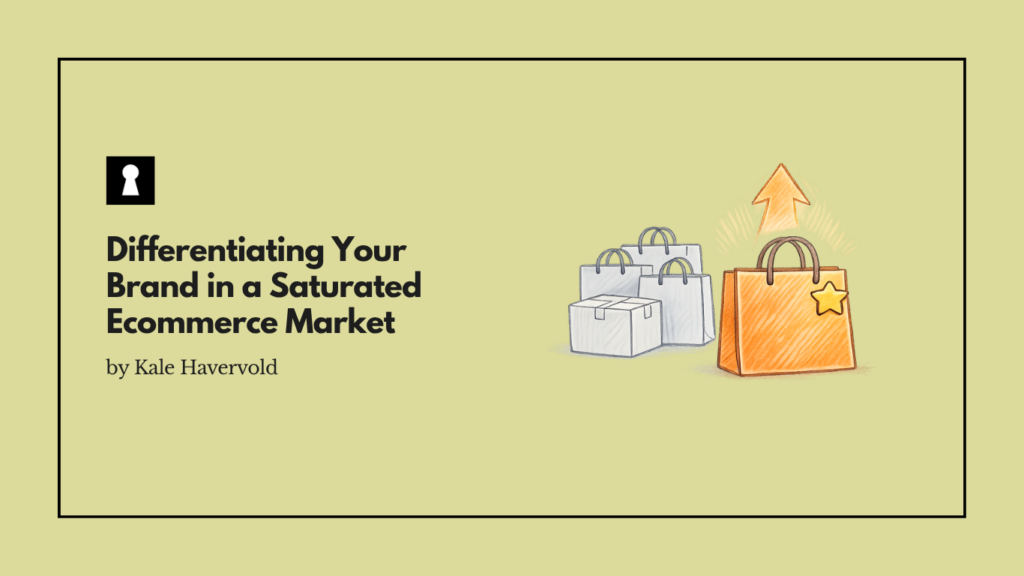
Standing out in your category is an important part of succeeding in retail and attracting new customers. Unfortunately, this is easier said than done, as many saturated retail categories feature a sea of companies with similar products, identical messaging, and the same types of ads.
While standing out is hard, especially in competitive markets, it’s not impossible. There are several strategies you can implement and decisions you can make that could help you differentiate yourself from the competition in your category, and this article takes a look at a few of them.
Target a Niche in the Market
If you find yourself stuck in a category where everyone is doing the same thing and selling to all the same people, consider targeting a smaller micro-niche in the space. For example, instead of operating as a general fashion retailer selling a variety of clothes to every customer under the sun, you may niche down into selling specialty clothing targeting petite or tall customers.
Sure, you may limit your overall pool of customers, but those in your specific niche will likely see that their needs and preferences are better met with you than a company focused on serving everyone.
Build Emotional Loyalty With Customers
If you’re able to develop better emotional loyalty with customers, it can set you apart from the crowd, as well. While other companies may be able to copy your pricing, marketing, or features, they can’t easily reproduce the way your brand makes them feel.
In addition to helping you stand out, boosting the loyalty of your customers may also help your bottom line. For example, it may cost as much as five to ten times more to acquire a new customer than it does to sell to existing customers, so you should be doing everything you can to keep people around.
Some things your brand can do to increase emotional loyalty with your customers include:
- Designing a memorable unboxing experience.
- Gather customer feedback and implement it in future updates, products, and designs, so they feel like they have a say in the future of your brand.
- Support causes and issues that matter to your audience.
- Personalize the experience by tailoring things like recommendations and interactions.
Change Your Language
Companies operating in saturated markets often begin to be indistinguishable from others. Their messaging, ads, copy, and even brand voice often blend, and make it hard for customers to differentiate. You can escape this by changing your language.
While many brands rely on the same phrases, buzzwords, and descriptions to describe products, consider going the other way. For example, instead of saying your fabric is “premium”, explain how it feels when it touches your skin.
Similarly, instead of saying your product is “sustainable”, break down what it’s actually made of and why that’s better for the planet than what your competitors are doing. Also, try to shift from talking about “what” you sell to describing why your products are the right choice for customers, how they’ll improve their lives, and the situations they’ll come in handy for.
Identify Pain Points and Fix Them
Finally, you can often get a leg up on competitors by identifying customer pain points and ensuring your products are specifically designed to fix or address them. Finding these pain points is as easy as checking the one-star reviews of other companies in your category and making note of the most common complaints.
For example, if return challenges are a common pain point in your space, you can develop a simple, straightforward, and seamless return policy that could attract new customers by capitalizing on your competition’s mistakes.
Also, if common complaints talk about competitors always having items out of stock, you can maintain safety stock, set reorder points, and use demand forecasting to ensure you always have products available for customers to buy.
These are only a few examples of the many pain points that consumers in your space likely have, and if you’re able to avoid them with your business and actively address them, it can go a long way in helping you succeed.
Our Take
Differentiating is a Risk Worth Taking
In retail and ecommerce alike, some companies are afraid to rock the boat and scared of being rejected by the market if they differentiate too much. While it would be nice if this never happened, and if the strategies covered here worked 100% of the time, that wouldn’t be true.
Some companies that try to change their language or target a smaller niche in a market may not succeed, as there’s always risk involved in decisions like this. However, there are also risks of not differentiating, such as getting stuck in endless price wars, having an invisible brand, and hardly having any loyal customers.
While the choice is yours, and you need to evaluate your own risk tolerance, taking the risk and having it pay off could lead to more sales, more loyal customers, and even less direct competition.