
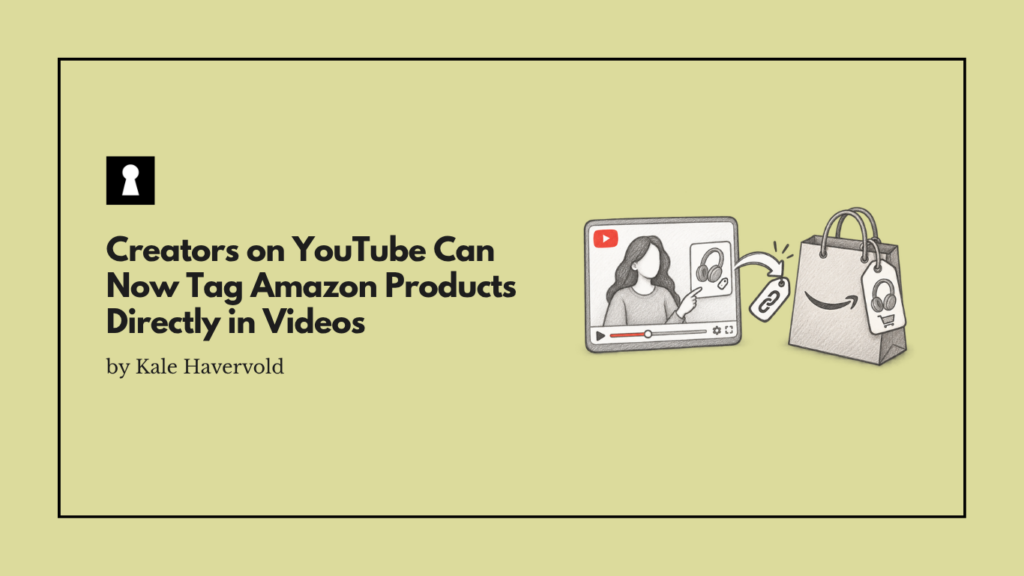
With a new partnership between Amazon and YouTube, creators on the video-sharing platform can now tag Amazon products right in their videos and live streams. The collaboration not only helps creators earn a cut of the sales, but also helps Amazon sellers by driving more traffic to their listings.
The move could be a huge shift in both social commerce and influencer marketing, and is the latest sign that YouTube is prioritizing online shopping as a major part of its business.
YouTube Prioritizing Ecommerce With New Amazon Partnership
YouTube has officially partnered with Amazon as its newest affiliate partner in YouTube Shopping. The move combines two of the largest and most popular platforms for product discovery, and allows YouTube creators to easily tag Amazon products right in their videos and live streams, rather than placing links in the description.
The partnership shows that YouTube is going all-in on its push to prioritize ecommerce, and goes along with other ecommerce-focused moves YouTube has made recently, such as letting viewers start conversations with brands through messaging apps directly from ads on the platform.
The push into ecommerce for YouTube seems to be working, as YouTube Shopping’s gross merchandise volume (GMV) grew by around 13 times from the first quarter of 2024 to the first quarter of 2026.
Speaking about the partnership, the General Manager of YouTube Shopping, Travis Katz, said that “Video has completely changed the way people shop,” and added that many people now trust creators more than salespeople when it comes to making purchasing decisions.
How the Partnership Works
The way the partnership works is fairly straightforward. But before getting started and linking to Amazon products in their videos and streams, YouTube creators need to make sure they’re eligible.
To be eligible to tag Amazon products and earn commissions in the process, a creator must:
- Be enrolled in the YouTube Partner Program.
- Be enrolled in the YouTube Shopping affiliate program in the United States.
- Be a part of either the Amazon Influencer Program (AIP) or the Amazon Associates Program (AAP), with an account in good standing.
- Have linked their YouTube channel to their AIP or AAP account.
Once they’re eligible and have linked accounts, YouTube creators can tag products by using the product picker tool in YouTube Studio. There’s a selection of Amazon products you can choose from, and you can also suggest a product to be available for tagging by sharing the product URL with YouTube Creator Support.
You can also enable auto-tagging, which lets YouTube review your recent uploads to identify and tag eligible Amazon products. The feature can also scan future uploads to automatically tag eligible Amazon products, as well.
The Partnership Benefits All Parties
The collaboration between YouTube and Amazon benefits all parties involved, including both brands, the YouTube creators, and Amazon sellers.
For YouTube, the move helps boost its YouTube Shopping features, as it aims to catch up to competitors like TikTok Shop. It may also help with creator retention, as it gives creators another way to earn on the platform, which may keep them around.
For Amazon, the move dramatically expands its reach and shows off its products to a huge number of new people, which can boost both engagement and traffic for the platform. In fact, according to Katz, shopping tags on videos drive about twice as much engagement as an affiliate link in a video description.
It also captures potentially high-intent buyers right at the point of product discovery, and has the chance to turn passive video views into actual Amazon purchases.
YouTube creators get a seamless way to monetize their videos, and may also enjoy better engagement when working with brands as an influencer. The auto-tagging capability also offers effortless earning on both future and past video uploads that feature Amazon products.
The partnership also benefits Amazon sellers, as it dramatically boosts off-site discovery, reduces buyer friction, and gives them a broader creator pool to work with.
Finally, YouTube viewers/potential shoppers benefit from easier product and link discovery, instant and verified product information, and a frictionless experience that takes them right to the product without much effort on their end.
With checkout process complexity being one of the main reasons people abandon their online purchases, the seamless experience this partnership provides should help drive more conversions for brands, as well.
Our Take
Supercharge Your Social Commerce and Influencer Marketing Strategy
This partnership may be one of the biggest structural shifts in social commerce and influencer marketing in recent memory. As a result, Amazon sellers who have considered updating or improving their social commerce or influencer marketing strategies need to take advantage of it.
No more need for in-description links likely means more traffic to your product listings, and native product tags appearing directly inside the video don’t interrupt the viewing experience.
The frictionless checkout may also lead to fewer drop-offs, and the entire experience is trusted by most customers, as it takes place directly from a video of their favorite creator, right to Amazon, which is among the most trusted online platforms for shoppers.
Whether you want to work with large creators or any of the many micro-influencers on the platform, this collaboration offers trusted recommendations and makes it easier than ever to get your products in front of a brand-new and engaged audience.