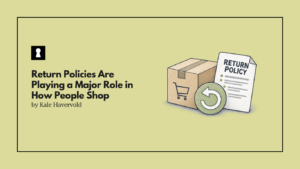

The return policy a store offers is increasingly becoming something shoppers think about and consider when deciding where to buy from. Return fees play a huge role in influencing shopping behavior, and some consumers have even abandoned a purchase or stopped shopping with a brand altogether because of their return policy.
While ecommerce brands need to be aware of this and create consumer-friendly return policies to encourage conversions, it’s a slippery slope. If the policy is too convenient, fraud and abuse can add to the already-high cost of accepting and processing returns.
Return Policies Becoming an Important Pre-Purchase Consideration
Along with other pre-purchase considerations like reviews and shipping costs, return policies are quickly becoming something most shoppers check out before moving forward with a purchase. In fact, according to new research, 58% of U.S. consumers said they always or often view a retailer’s return policy before buying something online.
If they see something they don’t like in the policies, these customers aren’t afraid to walk away from a brand, either. For instance, 63% of U.S. consumers said they have stopped shopping with a retailer or abandoned a purchase because of its return policy.
Returns also influence how loyal customers are to certain brands, as 65% of retailers surveyed for the research said that the return experience has a significant impact on customer loyalty. This lines up closely with previous research on the topic, which found that return experiences can play a role in customer confidence and loyalty.
Return Fees Make Customers Think
While the entire return policy plays a role in shopping decisions, this is especially true for return fees. The research found that 92% of consumers said that the presence of return fees impacts their online shopping behavior in some way.
Almost half of respondents, 46% to be exact, say that fees make them more careful about what they purchase. While many people tend to buy whatever they want online because they know they can return it easily and without a charge if they don’t like it, return fees make customers stop and decide if they truly want to keep something before they buy it.
However, having a return fee doesn’t automatically mean you’re driving every customer away. In fact, 36% of consumers said they’d be willing to pay a return fee if the company charging it offered a more premium return experience.
Returns Are an Expected Part of Online Shopping
Another interesting finding in the research is that many customers shop knowing that some of what they buy may end up being returned. In fact, around 30% of all consumers have bought different-sized items, knowing that they’d return some of them. Another 33% said they’d even returned an item they had briefly worn because it didn’t meet their expectations for it.
While this practice is useful for customers and may lead to a better shopping experience for them, it’s often frustrating and potentially expensive for retailers, as it adds more shipping, handling, and inventory complications and costs.
That being said, many retailers are afraid of making their return policies stricter to try and curb this type of behavior and others like it. Over half (56%) of them are scared that tightening rules may drive customers away, and 57% were concerned about negative reactions on social media or other public forums.
Return Fraud is a Real Problem
While some people may think return fraud is fairly uncommon, it’s happening on a large scale. In fact, 44% of consumers admit they’ve given a reason for returning an item that wasn’t accurate. Even worse, 31% have said they’ve substituted another item for the original product when making a return.
As for the types of return fraud that retailers see, 62% of retailers said that false claims involving missing or damaged products are among the most common, and 54% said they regularly encounter customers returning a different or damaged product.
Our Take
Create a Solid Return Policy, But Be Careful
This increased consideration of return policies when making shopping decisions puts ecommerce brands in a difficult place. They want to create a consumer-friendly policy to encourage more people to shop with them, but if it’s too friendly, it invites fraud and may lead to people taking advantage of the policy.
Thankfully, there are some ways to potentially slow down return fraud and abuse without making your policies overly strict. This includes implementing tiered return policies, using technology to track behavioral patterns and identify serial returners, or setting category-specific guidelines to reduce especially costly fraud.