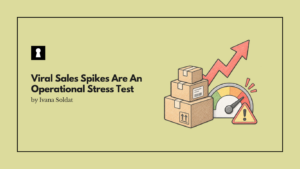

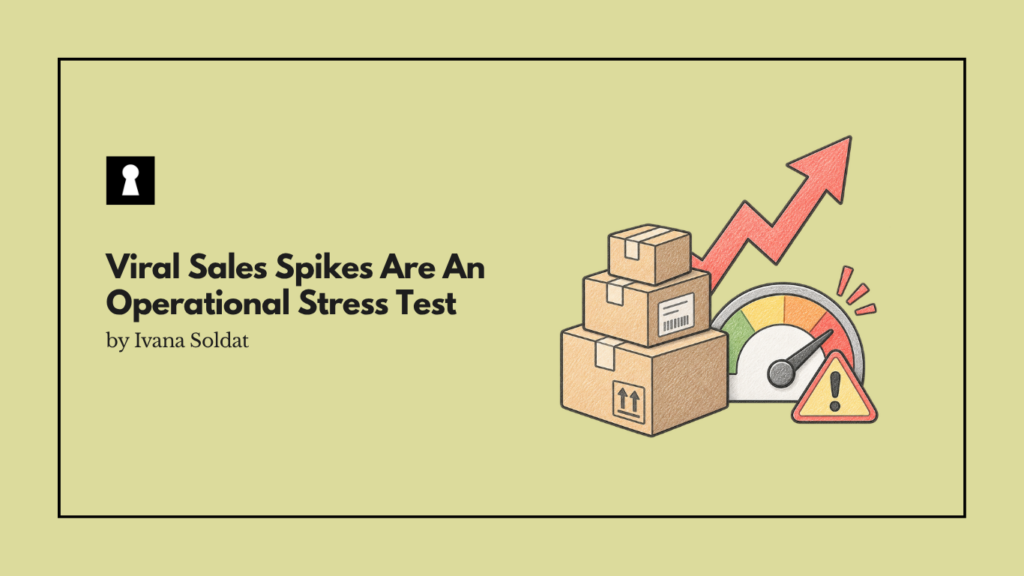
The narrative of the viral ecommerce success story is a dangerous myth. When a product suddenly captures the internet’s attention, the immediate focus is on the top-line revenue number.
Founders and marketing teams celebrate the spike while ignoring the mechanical reality of fulfillment, customer support, and reverse logistics. A sudden influx of orders does not validate a business model. It stress-tests the operational foundation, and most direct-to-consumer brands fail that test spectacularly.
Customer Service Teams Drown In WISMO Inquiries During Volume Surges
The first casualty of a viral spike is the customer service department. When order volume increases fivefold in a matter of days, the post-purchase experience fractures. Industry data shows that “Where is my order” inquiries routinely account for 35 to 40 percent of all inbound customer service volume for ecommerce operations.
During peak periods, this percentage can spike even higher as logistics networks buckle under the weight of unexpected demand. Brands that rely on manual tracking updates or under-staffed support teams will see their response times plummet. This delay breeds frustration, which directly translates into negative reviews and social media backlash that can permanently damage brand reputation.
Social Commerce Drives Disproportionately High Return Rates
Viral traffic is rarely high-intent traffic. Consumers who impulse-buy a product because they saw it on a social media feed are significantly more likely to return it than a customer who actively searched for a solution.
Social commerce return rates run roughly 23 percent, compared to just 14 percent for traditional direct-to-consumer channels . This nine percentage point gap represents a massive operational burden.
Handling these returns requires reverse logistics, restocking labor, and expedited freight costs that eat directly into the margins of the original sale. A viral moment that looks profitable on a spreadsheet often results in a net loss once the true cost of returns is calculated.
Early Life Failures Compound Into A Warranty Nightmare
Hardware and electromechanical products face an additional layer of risk known as the bathtub curve, where early-life failures occur at a higher rate within the first 30 to 90 days of use. If a brand sells 3,000 units in a single viral week with a standard 2 percent early-failure rate, that is 60 customers simultaneously demanding replacements or refunds.
This cluster of failures creates a perception of a defective product line, even if the failure rate is statistically normal. Furthermore, legal frameworks are tightening around these claims. California Civil Code section 1793.01 explicitly bars manufacturers and retail sellers from making an express warranty that commences earlier than the date of delivery.
Brands that automatically trigger warranty periods at the point of sale, rather than delivery, are exposing themselves to compliance violations and invalid claims during a high-volume period.
Revenue Is Spent Before The Liability Comes Due
The most insidious risk of a viral sales spike is the timing of the financial fallout. A merchant often spends the revenue from a mega-sale immediately on inventory replenishment, marketing for the next campaign, or operational expansion. However, chargebacks, disputes, and warranty claims do not arrive immediately.
Payment networks allow cardholders up to 120 days from the transaction date to file a dispute. By the time these liabilities materialize, the capital from the original sale is already gone. The brand is then forced to pay for yesterday’s mistakes out of today’s operating budget, creating a cash flow crisis that can stall growth or lead to insolvency.
Our Take
Celebrating a Viral Moment Without the Infrastructure to Support it is Financial Suicide
The ecommerce industry needs to stop treating viral sales spikes as a badge of honor and start viewing them as a severe operational hazard. A sudden surge in demand does not prove product-market fit; it merely proves that you have temporarily outpaced your own logistical capabilities.
Brands must prioritize post-purchase infrastructure, automated tracking, and realistic return policies over vanity metrics and top-line revenue.
If your backend cannot handle a tenfold increase in volume without collapsing, you do not have a scalable business, you have a ticking time bomb.