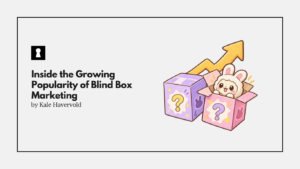

Whether it’s a blind box that gives buyers a chance to get a rare toy, a unique snack, or a sought-after beauty, blind box marketing is becoming a sales strategy that more and more brands are adopting.
But what makes this strategy so effective in so many industries, and why are so many consumers drawn to them? In this guide, we’ll take a closer look at blind box marketing and touch on everything from the core strategies to the benefits for brands, and more.
What is Blind Box Marketing?
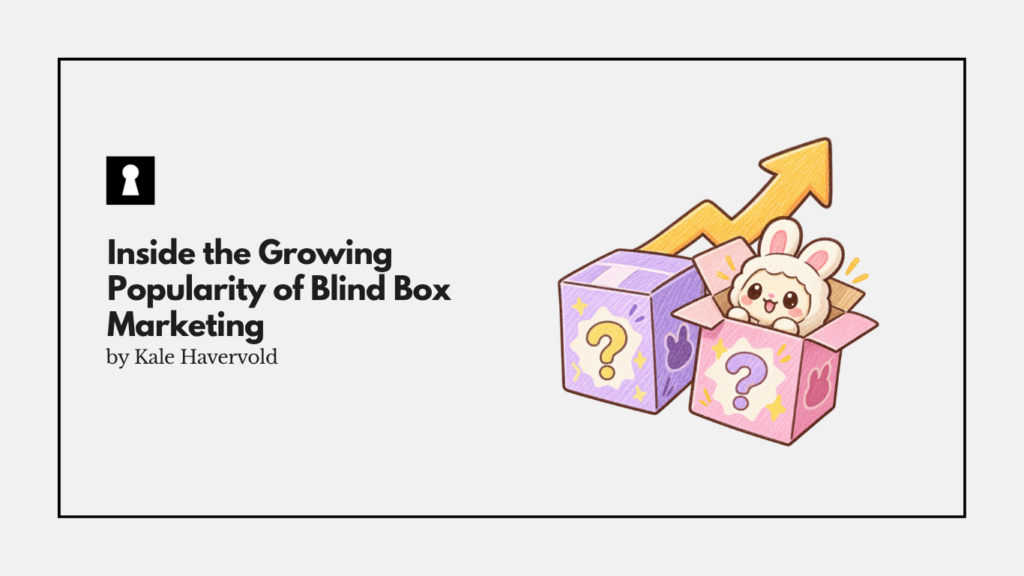
Blind box marketing is a sales strategy where a product is sold or given away in sealed and non-transparent packaging, so the buyer doesn’t know what they’re getting until they open it. These blind boxes operate on the variable reward system, where there’s normally a high chance of getting a basic or regular product, but a small chance to get something rare or valuable.
For example, a toy company may create a blind box set with 10 regular figures, 4 rare figures, and a single secret-rare “chase” figure. Each figure will be sold in the same box with the same design, and customers won’t know what they get until they open the box.
These products often belong to a themed series or set, and people may attempt to collect the whole set, or keep buying the blind boxes until they eventually get the “chase” in the set.
Potential Blind Box Marketing Strategies
While the most common type of blind box you’ll see is a single-item blind box where buyers have a small chance to get a rare item when they buy the box, there are actually a variety of ways this strategy may be implemented.
For example, a company could do a blind box-themed free giveaway to help shoppers discover new products and boost things like loyalty and engagement. An example is ALDI’s recent blind box drop, where the company gave away themed boxes on a first-come, first-served basis, and then later put the items in those boxes up for sale for those who enjoyed them.
Sellers can also bundle a random blind accessory with certain products, such as pairing any keyboard purchase with a blind box featuring fun and unique keycaps. While it often helps if the blind accessory somehow relates to the product the person buys, it doesn’t have to.
For example, plenty of sellers will add some kind of mini blind box item (such as a keychain or tiny figure) with any purchase over a certain threshold. This increases average order value (AOV) and still lets sellers use blind box marketing to their advantage, without making the strategy their sole focus.
Finally, prize draws and lotteries are also a type of blind box marketing. People buy entries and tickets, and while most of them will walk away with nothing (or a small consolation prize), some may win the grand prize or other valuable/desirable prizes in the lineup.
Benefits of Blind Box Marketing for Brands
Blind box marketing offers several advantages for brands. First, the strategy encourages repeat purchases. If someone doesn’t get the chase they want, or wants the whole set, they’ll often continue buying until they do.
The strategy also lends itself to impulse purchases, turns shopping into an emotional experience, and makes standard purchases feel like high-stakes moments through manufactured scarcity and exclusivity.
Also, the act of opening a blind box and reacting to the contents is perfect for videos. As a result, people opening your blind boxes on camera and posting the content to YouTube or social media can help you go viral, get free marketing, and potentially even boost sales, as user-generated content (UGC) plays a major role in purchasing decisions.
Why is Blind Box Marketing So Effective
A big reason why blind box marketing is so effective is that the random aspect and uncertainty of the blind boxes trigger a rush of dopamine when someone opens one. Also, people love the thrill of the hunt and the suspense that comes from getting a box, opening it, and hoping to get the rarest item.
The scarcity and exclusivity of the items, as well as the fact that many blind boxes are only available for a limited time, can also drive people to experience fear of missing out (FOMO) or feel a sense of urgency to buy. There’s also a major urge in many people to complete a set or get their favorite, and this urge often drives them to buy more.
Finally, many of these individual blind boxes have a low barrier to entry for customers, as they’re quite affordable, especially compared to the value of the rare items they could get inside them. This turns these products into low-risk impulse buys that may sometimes pay off, rather than a major financial commitment or decision.
Our Take
Fine-Tuning Your Blind Box Offering
If you’re thinking of implementing blind boxes in some way, it’s important to do it right. If your blind box is poorly designed, contains things people don’t care about, has subpar “regular/basic” products, or has horrific odds, people likely won’t buy them, or may even accuse you of scamming people.
Instead, ensure you stock the box with items so that even those who don’t get the “chase” may still feel okay about what they ended up with. You also need to ensure the unboxing experience is fun and the packaging feels premium. Also, having a bold and visually appealing box design is a key trend in ecommerce packaging, and can help your blind box stand out.
Also, make sure to retire or update sets aggressively, rather than letting them continue to get sold for too long, as this may lead to consumer fatigue or reduce the demand for the “chase” if a ton of people have already gotten it. Ensure you get feedback from your customers, and possibly even involve them in the process of creating or changing the boxes.