
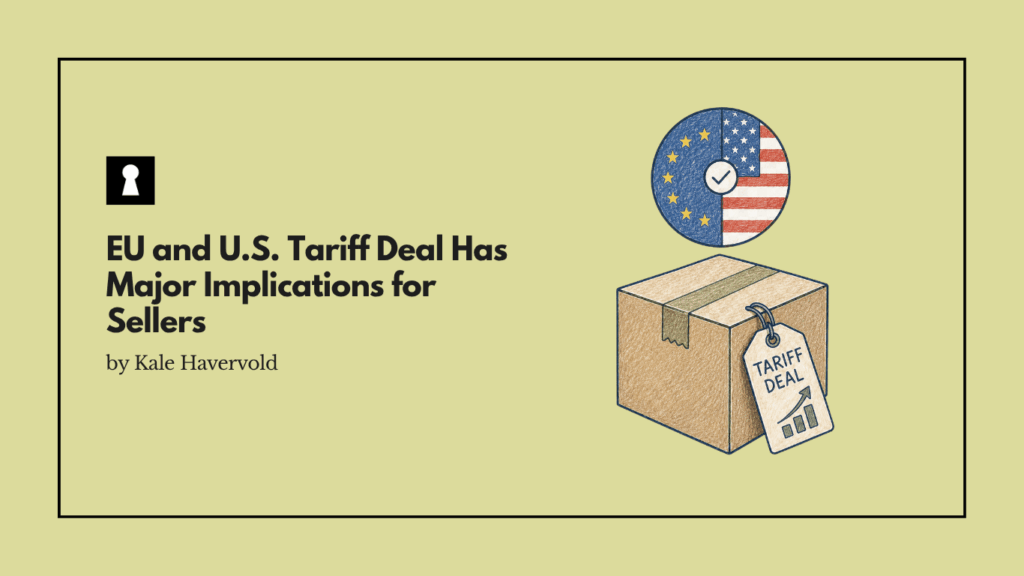
The EU has officially given final approval to a trade deal with the USA that was first agreed to back in July 2025. The deal eliminates tariffs on many US goods going to Europe, and sees tariffs on most European goods exported into the USA remain at 15%.
The approval comes just a short time before a July 4th deadline set by the US President, and provides some stability and predictability for companies looking to participate in transatlantic trade and sales.
EU-US Tariff Trade Deal is Officially Approved
Nearly a year after the trade deal between the USA and the EU was agreed upon in Turnberry, Scotland, it has been approved by the EU Parliament. The deal will see all tariffs eliminated for US industrial goods, while also providing preferential market access for a range of US agricultural goods and seafood.
In return, the US will cap tariffs on most European goods entering the USA at 15%. The approval went down to the wire, and nearly reached the July 4th, 2026 deadline set by the US President.
With the President frustrated about the EU taking so long to approve the deal, he threatened to impose much higher tariffs on the EU if the deal wasn’t finalized by that deadline. While there were earlier votes planned for the deal, they were postponed.
This approval comes just after the EU and South Korea signed a digital trade agreement, and prevents a new round of tariff-related trade conflicts between the USA and EU.
The Deal Includes Multiple Safeguards for the EU
To protect itself, the EU has included multiple safeguards in the deal in case the USA doesn’t hold up its end of the bargain, which lets the EU suspend parts of the deal. For example, the EU is able to suspend tariff preferences if, by December 31st, 2026, the US continues to apply a tariff rate higher than 15% on EU steel and aluminium derivatives.
The deal also includes a sunset clause that states the regulation on industrial, agricultural, and food imports expires on December 31st, 2029. Ahead of this deadline, by June 30th, 2026, the EU will make a comprehensive assessment of the trade effects of this agreement before deciding whether to prolong it.
Cross-Border Ecommerce is Crucial for the EU and USA Alike
This approval is very important for the many companies that operate in both the EU and the USA. Cross-border commerce is a massive industry, and the EU is one of the world’s largest participants.
In fact, in 2025, EU small and medium-sized enterprises (SMEs) reached over €17 billion in cross-border sales on Amazon alone, highlighting just how huge a business selling products internationally is for many sellers. On the other hand, many American companies also ship goods to the EU, of course.
What The Approval Means for Companies
First, the trade deal being approved reduces trade barriers by not only eliminating import duties on many American goods entering the EU, but also caps the tariffs on goods going from the EU to the USA and prevents them from getting higher. This also keeps things less expensive for both businesses and customers on each side of the Atlantic Ocean.
While it’ll likely be cheaper for US companies sending items to the EU due to the complete elimination of many tariffs, the 15% tariffs on items going from the EU to the USA are manageable for many companies, and are at least predictable and stable.
This calmer and less volatile trading environment may also provide opportunities for companies who haven’t participated in cross-border commerce to finally try it out, after plenty of uncertainty before this deal was approved.
The deal also has major supply chain implications, and companies can more accurately forecast their margins and plan capital allocation over time, without worrying as much about new tariffs or tariff rates rising.
As the deal moves from approval to implementation, companies need to keep a lookout for any tariff changes, public statements, or other announcements that could have an impact on their costs or lead to the deal falling through or being delayed even further.
Our Take
Approval Was Necessary to Avoid A Massive Transatlantic Trade War
While the EU would have likely preferred to get a tariff rate lower than 15%, it likely realized the importance of making this deal official before the July 4th deadline to avoid a massive transatlantic trade war.
If the EU continued to drag its feet when it came to fulfilling its commitments, there’s a chance that the imposed tariffs may have been even higher, causing even more stress and frustration for consumers and businesses everywhere.
While the outcome of this deal remains to be seen, and there’s no telling whether each side will stick to it or not, it seems everything is in place for it to finally be implemented.