
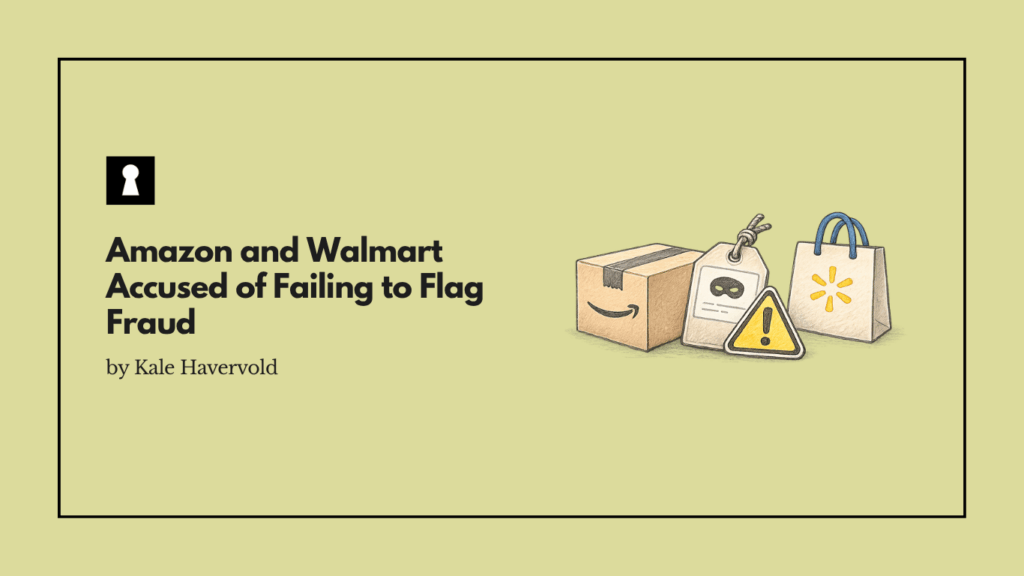
While Amazon and Walmart’s shopping assistants, Alexa and Sparky, can detect when a “Made in USA” label is fake, the retailers aren’t making use of this technology to crack down on these listings. This is according to a new study done by the former Chair of the Federal Trade Commission (FTC), Lina Khan.
When these bots are asked why the retailers aren’t doing more, they’ve made business-related justifications. While it may be easier for these retailers to do nothing, many companies and sellers that actually make and sell “Made in USA” are stuck struggling to compete with brands selling cheaper items with these deceptive and false labels.
Amazon and Walmart Fail to Flag “Made in USA” Fraud
Despite Amazon’s Alexa and Walmart’s Sparky, which are both AI shopping assistants, being able to often detect when “Made in USA” labels are false, neither of the brands has used this tech to crack down on and remove listings for products featuring fake labels.
This is according to a new study led by Lina Khan, former Chair of the FTC. It’s the first study published by Columbia Law School’s Center for Law and the Economy, which was launched after Khan returned to the school after her time in the FTC.
The way these AI assistants can discover these false labels is by detecting mismatches between “Made in USA” claims and information in the product listing. So if a listing mentions parts of the item being made elsewhere, but the image of the item has the label, it’s clear the label isn’t legitimate.
Consulting Alexa and Sparky About the Issue
A part of the study involved researchers actually asking these AI assistants about the issue, and they were greeted by business-related justifications for why it happens.
When researchers asked Sparky why it doesn’t flag suspicious “Made in USA” claims, it said that the FTC enforces its “Made in USA” rules on manufacturers, not retailers. It also added that it’s a business calculation, not a legal justification.
Similarly, when Alexa was asked about these false claims existing on the platform, the researchers said it replied by saying “the harm to U.S.-made brands is real and documented, but until that harm creates a financial, regulatory, or reputational cost for Amazon specifically, it remains easier to do nothing.”
As a result, both of these assistants essentially say that because Amazon or Walmart isn’t being directly penalized for not acting against it, or being legally forced to take action, it remains easier to simply do nothing.
While there hasn’t been a comment from a Walmart spokesperson yet, one from Amazon said that “Country-of-origin information, when available, is currently displayed on product detail pages, and we’re continually working to improve Alexa for Shopping to make this information even more accessible for customers,”.
The FTC Has Urged the Retailers to Police These Claims
While the study is new, the idea of Walmart and Amazon failing to crack down on these false claims isn’t. In fact, last year, the FTC urged both companies to crack down on the “Made in USA” claims being falsely made, and cited company policies that require sellers to provide accurate information.
Some companies and sellers may try to get around this labeling rule by having a small part of the item made in the USA, but FTC rules require products that are advertised as “Made in USA” to be all or virtually all made in the country.
Authentic “Made in USA” labels on products are very important for customers as they let them know that their purchase supports local or regional jobs, is high-quality, and abides by the rules and regulations of the country.
However, many fake “Made in USA” items are made overseas and imported into the USA, and thus don’t support local jobs, may not be high-quality, and may not even follow the rules set out in the USA. In addition to the United States, places like the UK are also struggling with cheap ecommerce imports that enter a market and operate unfairly or against the rules.
Our Take
The Move Leads to Clear Disadvantages of Domestic Sellers
When foreign companies try to pass off cheap ecommerce imports and other items as “Made in USA”, it directly harms companies that actually make their items in the country. First, these deceptive brands often undercut actual “Made in USA” items and steal sales, as they’re generally cheaper to make and thus can beat actual American products on price.
Also, if a consumer finds out they bought something with a fake “Made in USA” label, they may become skeptical of all of these labels, even the legitimate ones. In addition to hurting businesses, this move also deceives customers and tricks them into thinking they actually bought a high-quality and well-made American product.